Plants
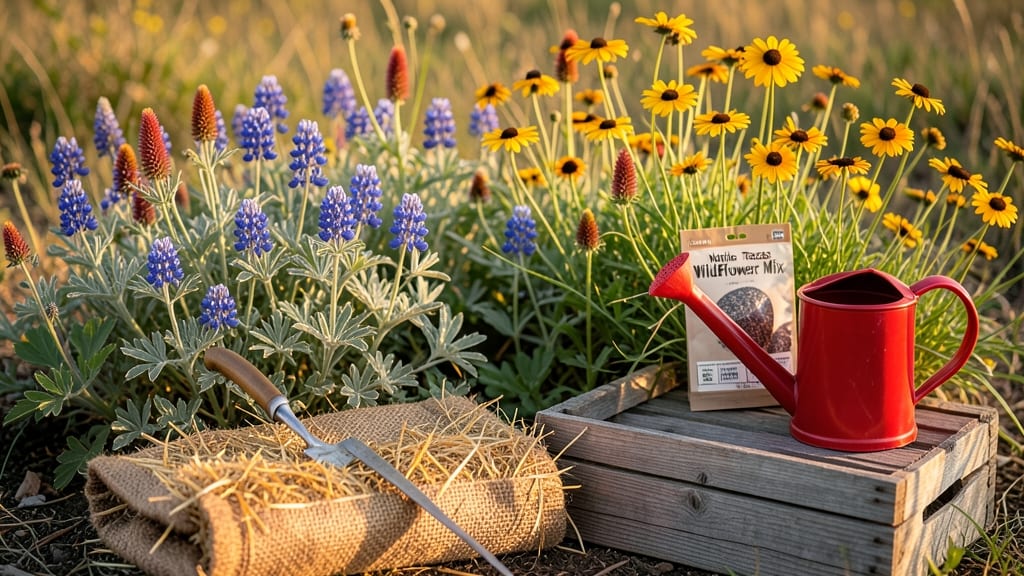
Plant wildflower seeds in Central Texas between September and November or March and April for vibrant blooms that thrive in zones 8a-8b.
You’ve probably seen fields of 🌼 bluebonnets and Indian paintbrush dotting the Texas hillsides—but getting that same burst of color starts with timing. Plant too early, and seeds rot in the rain; too late, and the heat zaps their chance to take root.
The key? A frost-free window when soil temps hover just right for germination.
Fall planting (September–November) gives seeds time to establish roots before winter, while spring (March–April) catches the tail end of cooler weather before summer’s relentless heat. Both strategies work, but each comes with its own tricks—like choosing the right seed mix for your soil type or adjusting watering as temperatures shift.
Below, I’ll break down the exact months to plant for zero-frost success, the native wildflowers that perform best in Central Texas, and how to prep your soil so your meadow blooms like a pro. No guesswork, just results.
Best planting months for Central Texas wildflowers by season
Central Texas wildflowers thrive when planted during frost-free windows that align with their natural growth cycles. The optimal planting months depend on whether you're sowing cool-season or warm-season varieties, with September-October and March being the most reliable for vibrant blooms.
Unlike northern climates, Central Texas avoids harsh winters, allowing for extended growing seasons and multiple planting opportunities.
For Austin, Waco, and San Antonio, microclimates create slight variations in frost timing, but the general rule remains: plant when soil temperatures are between 60°F-75°F for best germination. This means fall planting (September-October) gives seeds time to establish roots before winter, while late winter (March) kickstarts spring blooms.
Understanding these thresholds ensures your wildflowers outcompete weeds and flourish.
Key temperature thresholds for Central Texas wildflower planting:
- Fall (September-October): Soil temps 70°F-80°F (ideal for cool-season natives)
- Winter (January-February): Soil temps 55°F-65°F (risky due to unpredictable rains)
- Late Winter (March): Soil temps 60°F-70°F (perfect for warm-season starters)
Here’s your frost-free planting schedule tailored to Central Texas’ USDA Zones 8a-8b, with adjustments for urban heat islands (like Austin) versus rural areas (like Waco). The table below breaks down the best months for each region, ensuring you avoid late frosts and maximize bloom potential.
| Region | Best Planting Window | Soil Temp Range (°F) | Key Wildflower Varieties | Bloom Season |
|---|---|---|---|---|
| Austin | September 15–October 15 | 70°F–80°F | Bluebonnet, Indian Paintbrush, Winecup | Spring (March–May) |
| Waco | September 1–October 30 | 65°F–75°F | Blackfoot Daisy, Prairie Verbena, Coreopsis | Spring (April–June) |
| San Antonio | October 1–November 15 | 60°F–70°F | Mexican Feathergrass, Evening Primrose, Drummond Phlox | Winter–Spring (Jan–April) |
| All Regions | March 1–March 15 | 60°F–70°F | Sunflower, Blanketflower, Goldenrod | Summer–Fall (June–Oct) |
Fall planting in September-October is my top recommendation for Central Texas wildflowers. Why? Because seeds germinate in cool, moist soil and establish roots before winter rains. This timing outpaces weeds and ensures vibrant spring blooms.
For example, Bluebonnets sown in October will often bloom by March—a full two months earlier than spring-planted seeds.
If you miss fall, March planting is your next best option. By this time, soil temperatures have warmed to 60°F+, triggering germination for warm-season wildflowers like Blackfoot Daisy and Coreopsis. However, March is riskier in higher-elevation areas (e.g., Austin’s Hill Country), where late frosts can still occur.
Always check your local frost date averages—Austin’s last frost typically falls around February 15, while Waco averages February 20.
Winter planting (January-February) is not ideal for most Central Texas wildflowers due to unpredictable rainfall and cooler soil temps. Seeds may rot before germinating or
How soil temperature and rainfall affect wildflower germination timing
Central Texas wildflowers thrive when planted at the right time, but soil temperature and rainfall patterns can make or break your success. Most wildflower seeds need consistent soil temps above 60°F to germinate properly, while others prefer cooler conditions. Understanding these factors helps you avoid wasted seeds and sparse blooms.
Annual wildflowers like Bluebonnet and Indian Paintbrush germinate best in fall or early spring when soil is warm but not scorching. Perennials, however, often need cooler soil temps to establish strong roots before summer heat arrives.
Rainfall timing also plays a critical role—too much water can wash seeds away, while too little can prevent germination.
- Soil Temp: 60°F+ – Ideal for most wildflower seeds to germinate (use a soil thermometer to check)
- Fall Planting (Sept-Oct) – Best for cool-season annuals; soil stays warm but nights cool down
- Spring Planting (March-April) – Wait until soil warms to 65°F+ for heat-loving perennials like Blackfoot Daisy
- Rainfall Timing – Plant before heavy summer rains (June-Aug) to avoid seed erosion; rely on natural spring showers
- Drought-Resistant Strategy – Use mulch to retain moisture and plant in well-draining soil to prevent rot
If you plant too early, seeds may rot in cold, wet soil. Planting too late can leave them vulnerable to summer drought. For example, Bluebonnet seeds should be sown in late September when soil temps hover around 65-70°F, while Coreopsis prefers spring planting once soil reaches 70°F+.
Central Texas’ unpredictable rainfall adds another layer of complexity. Native wildflowers like Mexican Hat have evolved to thrive with intermittent rain, but newly planted seeds need consistent moisture for the first 2-3 weeks. Use a light sprinkle daily if natural rain doesn’t provide ½ inch per week.
For drought-prone areas, consider hydroseeding or planting in swales to capture rainwater. This technique mimics natural erosion patterns and helps seeds establish roots faster. Always test your soil’s moisture retention—amend with compost if it drains too quickly.
By aligning your planting schedule with soil warmth and rainfall patterns, you’ll give your wildflowers the best chance to flourish—even in Central Texas’ variable climate. Start with small test patches to refine your timing before committing to large meadows. 🌱