Flowers
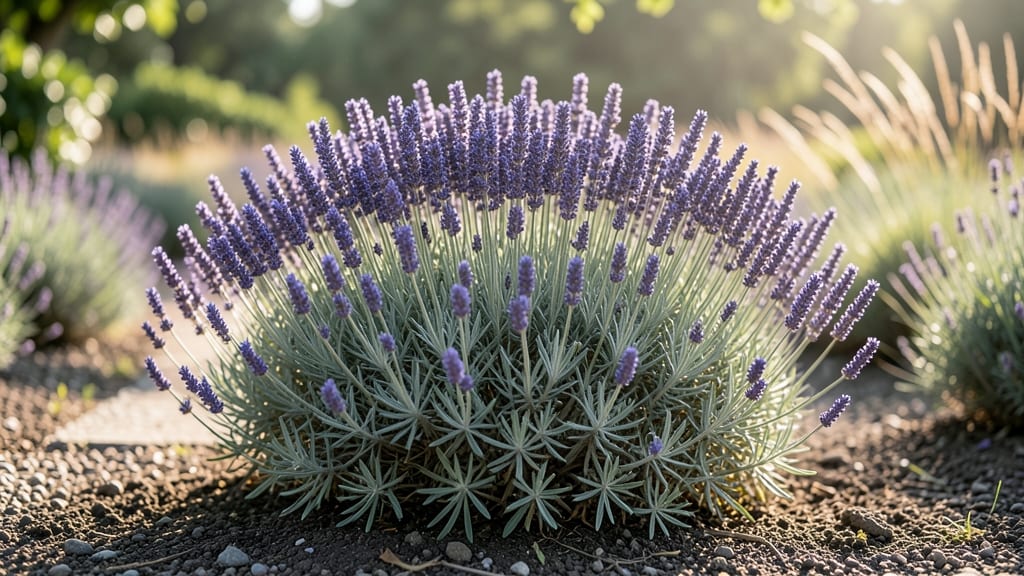
The lavender flower time in late spring through summer—typically from June to August in most climates—when the days grow long and warm enough to trigger those signature purple spikes.
But here’s the catch: timing isn’t just about the calendar. Plant too early in cooler zones like 6a, and your lavender might bolt before blooming. Too late, and you’ll miss the peak fragrance that makes it worth growing.
The difference between a fragrant garden and a sad, leggy shrub often comes down to knowing your zone’s exact window.
Sunlight, soil, and even the variety you choose can shift bloom time by weeks. Mediterranean lavenders, for example, love heat and flower earlier than their hardy cousins. Meanwhile, a simple pruning trick can stretch your lavender’s flower time by 4-6 weeks—no green thumb required.
Below, I’ll break down the best months for blooms in your zone, how to coax extra flowers from your plants, and which lavender types hold onto their color longest. No more guessing—just purple perfection.
Lavender flower time by USDA hardiness zones: when to expect blooms
Lavender’s bloom time varies dramatically across USDA hardiness zones 5-10, with cooler climates producing earlier flowers and warmer zones extending the season. In Zone 5, expect delicate purple spikes as early as late May, while Zone 10 lavender may bloom from February through November with proper care.
Understanding these patterns lets you choose varieties that thrive in your region and maximize your bloom duration.
For gardeners in Zones 6-8, the classic June-August bloom window is most familiar, but timing shifts based on whether you plant early-spring varieties like Lavandula angustifolia or late-blooming hybrids such as L. × intermedia.
The key to longer blooms? Planting at the right time—usually 3-4 weeks before your last frost—and providing well-draining soil to prevent rot.
Visual cues help predict bloom time: Look for bud clusters turning pink (ready to bloom) and woody stems (mature plants). In Zone 9-10, lavender may rebloom after light pruning, while Zone 5-6 plants often need winter mulch to survive and return stronger next year.
In Zone 5, where winters are harsh, early-blooming varieties like Lavandula angustifolia 'Munstead' thrive because they finish flowering before heat stress sets in. These plants often rebloom lightly in fall if given well-draining soil and minimal water.
For Zone 6-8, hybrids like L. × intermedia 'Grosso' shine—their larger flower heads and longer stems make them ideal for cut flowers and extended vase life.
How to extend lavender flower time with simple gardening hacks
Lavender’s natural bloom cycle can feel disappointingly short—just a few weeks of purple perfection before bare stems take over. But with the right gardening hacks, you can push those fragrant blooms earlier in the season and keep them coming for months.
The secret lies in understanding lavender’s growth triggers and working with its natural rhythm, not against it.
Most lavender varieties bloom from mid-summer to early fall, but with strategic adjustments, you can coax flowers as early as late spring or stretch the season until first frost.
The key is balancing pruning timing, watering discipline, and companion plants to create ideal conditions. Let’s dive into the proven techniques that’ll turn your lavender into a year-round star.
-
1. Prune at the Right Time
Cut back 1/3 of the plant right after flowering (late summer) to encourage new growth for next season’s blooms. Avoid pruning in fall or winter—this stresses the plant. -
2. Water Deeply but Infrequently
Lavender thrives on drought conditions. Water deeply once every 10-14 days (morning only) to prevent root rot. Overwatering triggers leaf dieback and fewer blooms. -
3. Plant Near Thyme or Rosemary
These companion plants share lavender’s drought tolerance and repel pests like aphids. Their roots also help improve soil drainage, which lavender craves. -
4. Use a Light Mulch Layer
Apply 1-2 inches of gravel or straw around the base to retain moisture without suffocating roots. This mimics lavender’s Mediterranean habitat and reduces watering needs by 30%+. -
5. Choose Early-Blooming Varieties
Swap standard lavender for ‘Hidcote’ or ‘Kew Red’—these bloom 2-3 weeks earlier than average. For late-season color, try ‘Grosso’ lavender, which flowers until first frost.
One of the biggest mistakes gardeners make is pruning lavender at the wrong time. If you cut back in early spring, you’ll sacrifice that season’s blooms entirely. Instead, wait until late summer after flowers fade—this signals the plant to focus energy on next year’s buds.
For immediate results, try a light trim in early spring (just enough to shape), but avoid heavy cuts.
Lavender’s watering needs are often misunderstood. Most gardeners overwater, thinking the plant needs constant moisture. In reality, lavender hates soggy roots—this triggers fungal diseases like root rot, which stunts flowering. The solution?
Water deeply but rarely, and always in the morning to let foliage dry before nightfall. A drip irrigation system set to run for 10 minutes every 2 weeks works wonders.
For cooler climates (Zones 5-7), extend bloom time by planting lavender near south-facing walls or heat-absorbing rocks. The extra warmth encourages earlier blooms. In hotter zones (8-10), provide afternoon shade during peak summer to prevent bud drop.
A simple shade cloth (30-50% coverage) can make all the difference.
Don’t forget to harvest strategically—this isn’t just for bouquets! Cutting 1/3 of the stems when flowers are half-open (not fully bloomed) boosts next season’s production. Bundle stems and hang them upside down in a dry, dark place to preserve fragrance.
This simple step can add 2-4 extra weeks of blooms the following year.
With these simple adjustments, your lavender will reward you with longer, more abundant blooms—and that signature scent will fill your garden from late spring to frost. The best part? These hacks work for both container and in-ground lavender, so every gardener can enjoy the magic. 🌿