Blooming
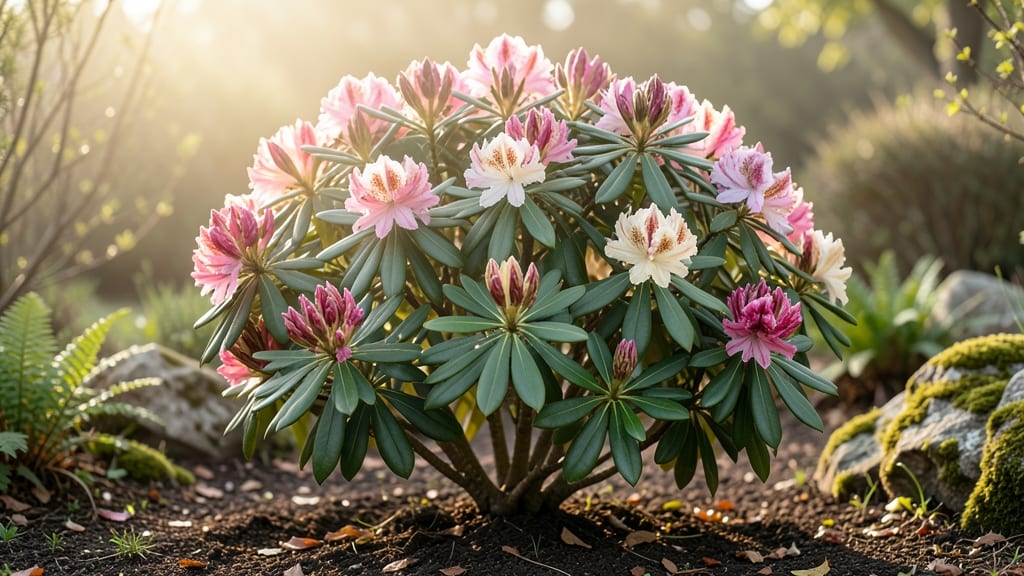
Rhododendron flowering periods vary by zone but typically bloom in spring 🌸, turning your garden into a vibrant spectacle—but getting the timing right means knowing your specific hardiness zone.
Picture this: you’ve waited all winter for your rhododendron to burst into color, only to miss the peak display because you didn’t account for your local climate. That’s why understanding your zone’s average bloom window is the key to planning companion plants and maintenance.
From late winter in warmer zones to early spring in colder regions, rhododendrons like 'Nova Zembla' or 'Catawbiense' follow a schedule that can be predicted with surprising accuracy. I’ll break down the exact months by zone so you can time your garden’s spring show.
You’ll also discover how to extend blooms, adjust care for early or late varieties, and pair your rhododendrons with plants that make their stunning displays even more breathtaking.
Rhododendron flowering months by USDA hardiness zones (with exact timelines)
Rhododendrons are nature's springtime showstoppers, but their flowering windows shift dramatically across USDA hardiness zones 3-9. In colder climates like Zone 3-4, buds often wait until late May, while Zone 8-9 gardeners may see blooms as early as February.
These differences aren't random—they're tied to chill hour requirements and microclimates that affect when your plants "wake up" from dormancy.
The key to planning is understanding your zone's average last frost date and how it aligns with your rhododendron's variety-specific timing. Early bloomers like 'Catawbiense' might start in March in Zone 7, while late varieties like 'Nova Zembla' can extend the show into June in Zone 5.
This zone-by-zone breakdown gives you the exact start, peak, and end dates you need to time pruning, fertilizing, and companion plantings for maximum impact.
Pro Tip: Use these timelines to schedule your spring acid fertilizer (like 10-10-10) right before buds swell—typically 4-6 weeks before peak bloom. For example, in Zone 6, that means feeding in early March, while Zone 9 gardeners should fertilize in February.
| USDA Zone | Early Varieties (Start) | Peak Bloom | Late Varieties (End) | Notable Cultivars |
|---|---|---|---|---|
| Zones 3-4 | Late May | June 1-15 | July 1 | 'Catawbiense', 'PJM' |
| Zones 5-6 | Early May | May 15-June 5 | June 20 | 'Nova Zembla', 'Elizabeth' |
| Zones 7-8 | March 15-April 1 | April 15-May 10 | May 25 | 'Roseum Elegans', 'Carolina Blaze' |
| Zone 9 | February 1-March 1 | March 15-April 5 | April 20 | 'Boursault', 'George L. Taber' |
Note: Timelines vary by 2-3 weeks based on elevation and microclimates.
In Zone 3-4, where winters are harsh, rhododendrons often wait until after the last frost date (typically May 15) to bloom. This delay gives the plant time to harden off and ensures buds survive late spring frosts.
The 'Catawbiense' variety is a reliable early bloomer in these zones, often starting in late May and peaking by June 1. Pair it with 'PJM' for a lavender-pink extension into July.
Gardeners in Zone 5-6 enjoy the longest flowering windows, with some varieties like 'Nova Zembla' producing late-season blooms that last until June 20.
The key to maximizing this display is pruning after flowering—never cut back old wood in summer, as next year's buds form on current season's growth. In these zones, early May is your target for spring mulching with pine bark to retain moisture.
For Zone 7-8 gardeners, the earliest blooms appear in mid-March, thanks to milder winters. This early start means you can extend the display by planting late-blooming varieties like 'Carolina Blaze', which often flowers into May.
The trade-off? These zones require more frequent watering during bloom (every 5-7 days) to prevent buds from dropping due to heat stress.
In Zone 9
How climate affects rhododendron blooming: chill hours vs. heat waves
Rhododendrons are finicky about timing—chill hours and heat waves can shift their blooming windows by weeks. In Zone 7, you might see flowers by early April, while Zone 5 gardeners often wait until late May.
This isn’t just luck; it’s science. Understanding your microclimate helps you adjust care to sync blooms with your local spring rhythms.
Most rhododendrons need 500–1,000 chill hours (below 45°F) to trigger buds. But if winters are mild (like in Zone 8), they may bloom earlier—sometimes even in February.
Conversely, harsh winters in Zone 4 can delay blooms until June. Heat waves after bud set? They’ll stress flowers and reduce bloom quality, no matter your zone.
⚠️ Warning: Heat Waves Can Ruin Blooms
Rhododendrons set buds in late summer/fall. If temperatures spike above 85°F during this time, buds may abort or produce sparse flowers. In Zones 6–9, mulch heavily (4–6 inches) to insulate roots and water deeply every 3–4 days to prevent stress.
Zone 5 tip: If your rhododendron blooms late, prune spent flowers in early June to encourage a second flush of buds for next year.
Your watering routine is the next critical lever. Rhododendrons hate drought stress during bud formation (August–October). In dry climates, I drip-irrigate for 20–30 minutes, 2x/week, and test soil moisture 2 inches deep—it should feel like a wrung-out sponge.
Overwatering? That’s just as bad—root rot delays blooms by weeks.
Pruning plays a sneaky role too. If you prune after blooms fade (June–July), you’re removing next year’s flower buds! Instead, wait until August—after buds form—to shape your shrub. For late bloomers like 'Nova Zembla', delay pruning until September to preserve those June–July flowers.
Mulching isn’t just for looks—it’s a climate buffer. In Zone 5, I use 6 inches of pine bark mulch to retain soil warmth and protect roots from freeze-thaw cycles.
In Zone 7, a 3-inch layer of shredded leaves keeps roots cool during summer heat waves. Replenish mulch annually—it breaks down fast!
Pro tip: Plant early-blooming varieties (like 'Catawbiense') in sheltered microclimates—near south-facing walls or under deciduous trees. Late bloomers (like 'PJM') thrive in cooler, shadier spots. By matching variety to microclimate, you can stretch your rhododendron season from April to July.