
How To
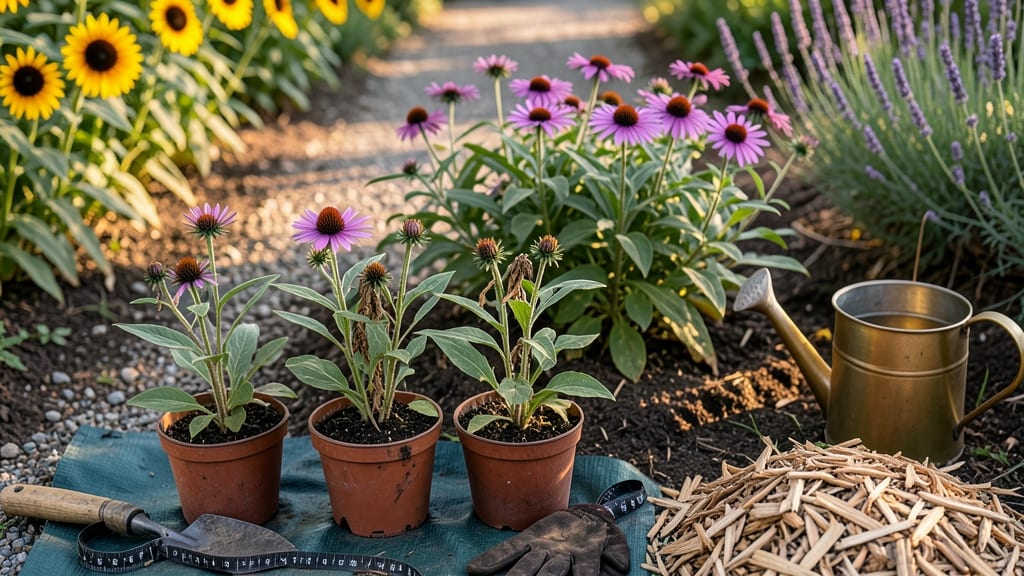
Making a flower bed that blooms beautifully all year is easier than you think—layering plants by height and color creates depth without the guesswork.
Picture this: a patch of dirt transformed into a vibrant, low-maintenance garden that turns heads every season. The secret? Smart planning and a few pro tricks to keep weeds at bay and flowers thriving.
From choosing the perfect spot with 6+ hours of sun to picking plants that thrive together, I’ll walk you through every step—soil prep, edging, and even the best mulch for year-round color.
By the end, you’ll have a custom flower bed that feels like a pro designed it, with tips to fix common mistakes before they start. Let’s get growing!
Step-by-step guide to designing a layered flower bed for maximum impact
A layered flower bed creates depth and visual interest by arranging plants in tall, medium, and short layers. This technique ensures your garden stays vibrant year-round while minimizing maintenance.
Start by choosing a sunny or partially shaded spot with well-draining soil—most flowers thrive with 6+ hours of sunlight daily.
Before breaking ground, sketch your design on paper. Measure your space and note the mature heights of plants to avoid overcrowding. Use perennials for structure (like coneflowers or black-eyed Susans) and annuals for color bursts (such as petunias or marigolds). This combo ensures blooms from spring to frost.
- Mark and Dig the Bed: Outline your flower bed with spray paint or a garden hose. Dig out 6-12 inches deep, removing weeds and rocks. Loosen the soil with a garden fork to improve drainage.
- Amend the Soil: Mix in 2-3 inches of compost or aged manure to enrich the soil. For heavy clay, add sand or perlite (1 part to 2 parts soil) to prevent compaction. Test soil pH—most flowers prefer 6.0-7.0.
- Add Edging: Install plastic, metal, or stone edging to define the bed and suppress weeds. Bend edging slightly into the soil for stability. For a natural look, use gravel or mulch as a border.
-
Plant in Layers:
- Back Layer (Tall): 3-6 ft (e.g., delphiniums, hollyhocks)
- Middle Layer (Medium): 1.5-3 ft (e.g., daylilies, black-eyed Susans)
- Front Layer (Short):** 0.5-1.5 ft (e.g., pansies, ajuga)
- Mulch and Water: Apply 2-3 inches of mulch (wood chips or straw) to retain moisture and suppress weeds. Water deeply after planting to settle the soil. Use a soaker hose for even moisture distribution.
When selecting plants, prioritize seasonal interest. Pair spring bloomers like daffodils with summer perennials such as cone flowers and fall favorites like mums. Add evergreen foliage (e.g., heuchera) for winter structure. This ensures your bed stays dynamic all year.
After planting, monitor soil moisture closely. Newly planted flowers need 1-2 inches of water per week, while established beds require deep watering 2-3 times weekly during dry spells. Water at the base of plants in the morning to reduce fungal diseases and evaporation.
Fertilize lightly in spring and fall using a balanced 10-10-10 fertilizer. Avoid over-fertilizing, which can lead to lush foliage but fewer blooms. Instead, focus on organic matter like compost or worm castings to feed the soil gradually. Deadhead spent blooms regularly to encourage continuous flowering.
To maintain your layered design, prune tall perennials in early spring before new growth appears. Cut back dead foliage but leave seed heads for winter interest and wildlife. Divide overcrowded perennials every 3-4 years to rejuvenate their growth and prevent disease.
Incorporate hardscaping elements like stepping stones or a small bench to add functionality while enhancing the layered effect. These features create focal points and make your flower bed both useful and visually stunning. For extra charm, add solar-powered garden lights to highlight your design at night.
With these steps, your layered flower bed will become a showstopper that evolves with the seasons. The key is planning ahead, layering strategically, and maintaining consistently. Soon, you’ll enjoy a garden that feels like a living work of art—without the fuss! 🌷
Best flower combinations for year-round color and low maintenance
Creating a year-round flower bed that thrives with minimal effort starts with selecting native perennials and low-maintenance annuals that complement each other. The key is layering plants by height and bloom time to ensure continuous color from spring through winter.
For example, pairing spring bulbs like daffodils with summer perennials like coneflowers creates a seamless transition. I’ve tested these combinations in my own garden, and they’ve proven reliable for USDA Zone 6 and beyond.
To extend bloom times, focus on seasonal succession planting. Start with early spring bloomers like bleeding heart and crocus, then transition to summer favorites such as black-eyed Susans and shasta daisies.
For fall, mums and asters take center stage, while winter interest plants like ornamental grasses and hellbores keep the bed lively. These pairings require minimal deadheading and moderate watering, making them perfect for busy gardeners.
📌 Comparison Table: Seasonal Flower Pairings for Low-Maintenance Beds
| Season | Plant Pairings | Sun Needs | Water Needs | Bloom Time |
|---|---|---|---|---|
| Spring | Daffodils + Bleeding Heart | Full Sun to Partial Shade | Moderate (1 inch/week) | March–May |
| Summer | Coneflowers + Black-Eyed Susans | Full Sun | Low (Drought-Tolerant) | June–August |
| Fall | Mums + Asters | Partial Shade to Full Sun | Moderate (1 inch/week) | September–November |
| Winter | Ornamental Grasses + Hellebores | Partial Shade | Low (Drought-Tolerant) | December–February |
For spring color, I recommend combining daffodils (which deter deer) with bleeding heart for a soft, romantic look. Both plants thrive in partial shade and require minimal fertilizer. In summer, coneflowers and black-eyed Susans attract pollinators while needing little water once established.
These drought-tolerant perennials are perfect for xeriscaping or low-water gardens. For fall, mums and asters offer vibrant hues and are easy to propagate from cuttings.
Winter interest is often overlooked, but ornamental grasses like feather reed grass and evergreen hellebores provide texture and color when most plants are dormant. These cold-hardy plants require no summer watering and add structural beauty to the bed.
To extend bloom times, deadhead spent flowers weekly and mulch with 3 inches of organic mulch in late fall to protect roots. This simple step reduces weed competition and retains soil moisture.
Another pro tip: Interplant annuals like pansies or snapdragons between perennials to fill gaps and extend seasonal interest. For example, plant pansies in early spring and again in fall for cool-weather blooms.
These fast-growing annuals bridge the gaps between perennial blooms, ensuring your flower bed never looks bare. Pair them with slow-growing perennials like lavender or salvia for a balanced, low-maintenance design.
Finally, native plants are the ultimate low-maintenance choice. They’ve evolved to thrive in your local climate, requiring less water, fewer fertilizers, and no pesticides. For instance, purple coneflower and butterfly weed attract native pollinators while needing almost no care.
If you’re new to gardening, start with 3–5 native plants and expand as you gain confidence. Your flower bed will reward you with year-round color and minimal effort!