
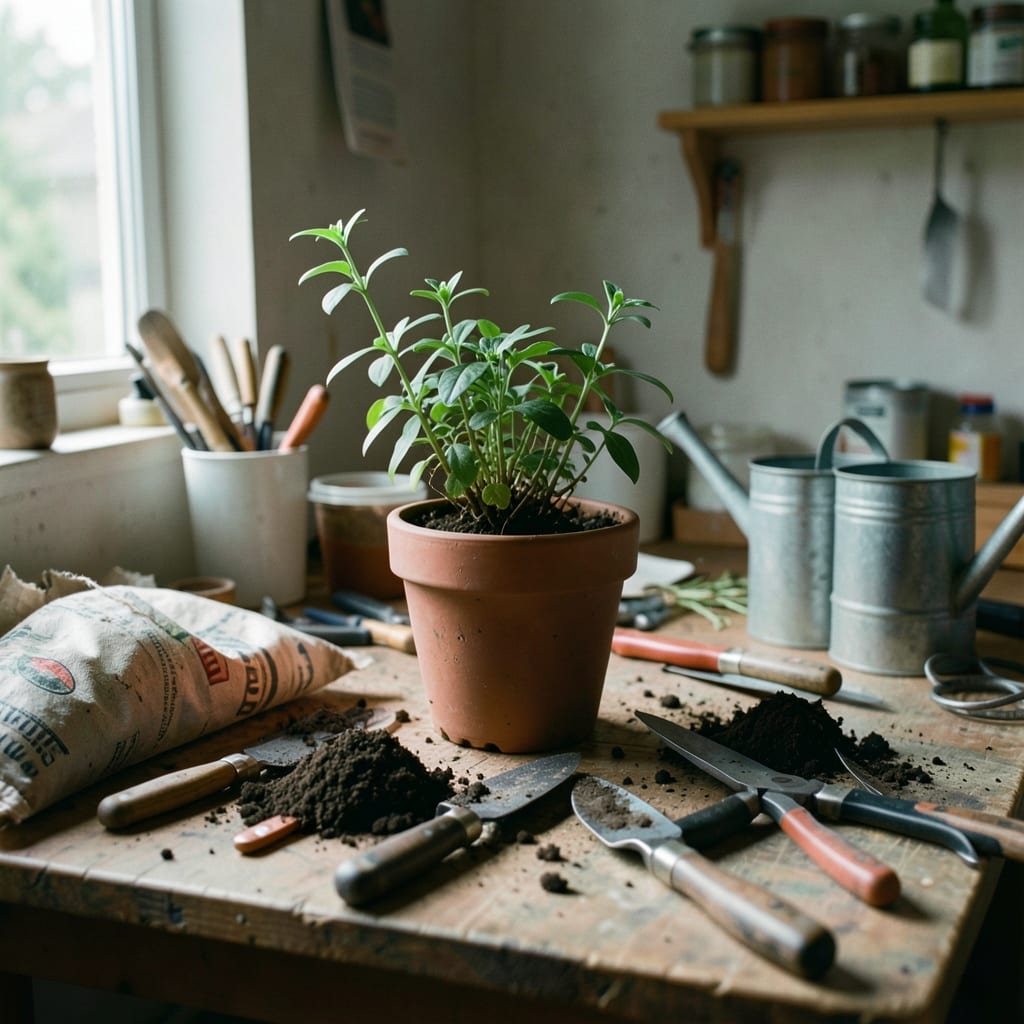
It started with one plant that kept failing
It was a snapdragon—just a handful of seeds I’d tucked into a cracked terracotta pot on my fire escape in late April. The soil was cheap, the pot was secondhand, and the instructions on the packet said ‘direct sunlight, keep moist.’ I did everything right, or so I thought.
The first sprouts came up strong, their tiny leaves bright green and eager. But by the third week, the stems were stretching thin, the leaves curling at the edges like they’d been scorched. I moved the pot into the shade, watered less, even tried a pinch of Epsom salt.
Nothing worked. The plants just sat there, half-dead, as the rest of my balcony bloomed around them.
I replanted them twice. The second time, I swore I’d gotten the light right—until the heatwave hit and the soil dried out overnight. The third batch I drowned in water, watching the roots rot before my eyes.
By June, I’d given up, and the pot sat empty until autumn, a silent reminder of how little I really knew.
Nine tries before it worked
The fourth attempt was worse. I’d read that snapdragons needed well-draining soil, so I mixed in perlite and sand, but the texture was too gritty. The seeds took forever to germinate, and when they did, the seedlings toppled over like drunkards.
I tried propping them up with toothpicks—only for the stems to snap at the slightest breeze.
By the fifth try, I’d switched to a larger pot, deeper soil, and a drip irrigation line to keep moisture steady. The seedlings grew taller this time, but their flowers never opened. They just sat there, buds swollen and green, as if they’d forgotten how to bloom.
A neighbor mentioned ‘vernalization’—something about cold treatment—but I didn’t have a fridge cold enough.
It took nine attempts before I got it right. The tenth pot had a mix of coco coir, worm castings, and a slow-release fertilizer. I placed it under a sheer curtain to diffuse the midday sun, watered at the base, and—most importantly—I stopped micromanaging.
The plants grew straight, their flowers unfurling in shades of pink and orange by early July. But the real lesson wasn’t in the soil or the light. It was in the waiting.
The mind behind these pages
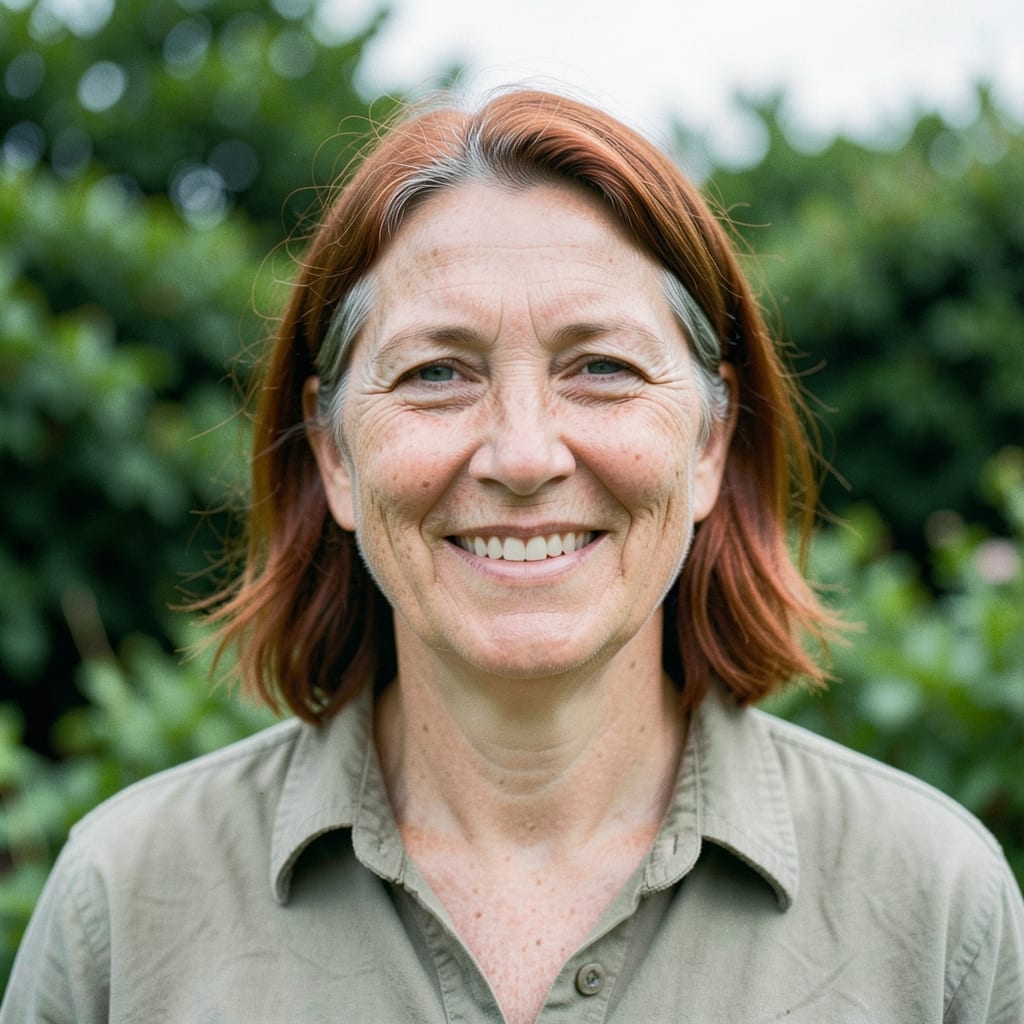
That fire escape is where I learned to listen to the dirt. Sonia Ashworth is the name on the byline, but the real work is the part you don’t see: the replanting, the second guess, the third try.
I’ve always had a green thumb, but the thumb that matters is the one that stays in the soil long enough to learn.
My grandmother called it ‘patience with roots.’ She’d watch me fuss over a wilting basil plant for hours, only to tell me to walk away. ‘The earth knows,’ she’d say. ‘You’re just in its way.’ That habit—of trying, failing, and trying again—is what brought me here.
It’s also what keeps me from writing a single tip without testing it myself.
I don’t grow orchids. I grow things that thrive in cracks—herbs in sidewalk crevices, tomatoes in buckets, marigolds where the pavement gives way. The plants that survive here aren’t the showy ones. They’re the stubborn ones.
This site is for the rest of us: the gardeners who’ve killed more than they’ve grown, who’ve replanted a bed three times before getting it right, who still don’t know if they’re doing it wrong.
Everything here is written the way that plant was
Every guide on this site starts as a mess. The soil mix is adjusted twice. The watering schedule is tested in three different pots.
The ‘perfect’ conditions turn out to be a myth—what works in May fails in August, and the plant that thrives in full sun wilts in the afternoon heat. The notes pile up: *too dry*, *too wet*, *needs shade by 2 PM*, *this variety hates transplant shock*.
Nothing is published until it’s grown, failed, and grown again. The photos aren’t staged; they’re snapshots of the real thing—wilting leaves, uneven blooms, the occasional pest. The words aren’t polished until they’ve been rewritten after the second season.
And if a tip doesn’t hold up by October, it gets archived with a note: *‘Works in Zone 5 only.’*
The snapdragons taught me that gardening isn’t about perfection. It’s about the version that finally, after all the replanting, stays alive. That’s what these pages are: the ones that made it.
What that means for you
You’ll find no ‘foolproof’ methods here. What you will find are the scars—the split stems, the browned leaves, the times I got it wrong before I got it right. Every page is a record of what worked, what didn’t, and what the plant actually needed.
If a tip feels too precise, it’s because it’s been tested in real dirt, not a greenhouse.
You won’t find a single ‘best’ way to grow anything. You’ll find the way that worked for me, in my soil, in my climate, with my mistakes. The rest is up to you—and the plants.
Got a plant that’s stumping you? Send a photo and a season—we’ll troubleshoot it together. The best lessons come from the ones that almost die.
The guides are grouped by category: Advice, Aphids, Blooming, Companion Plants, Container Gardens and Diseases.