
Flowers
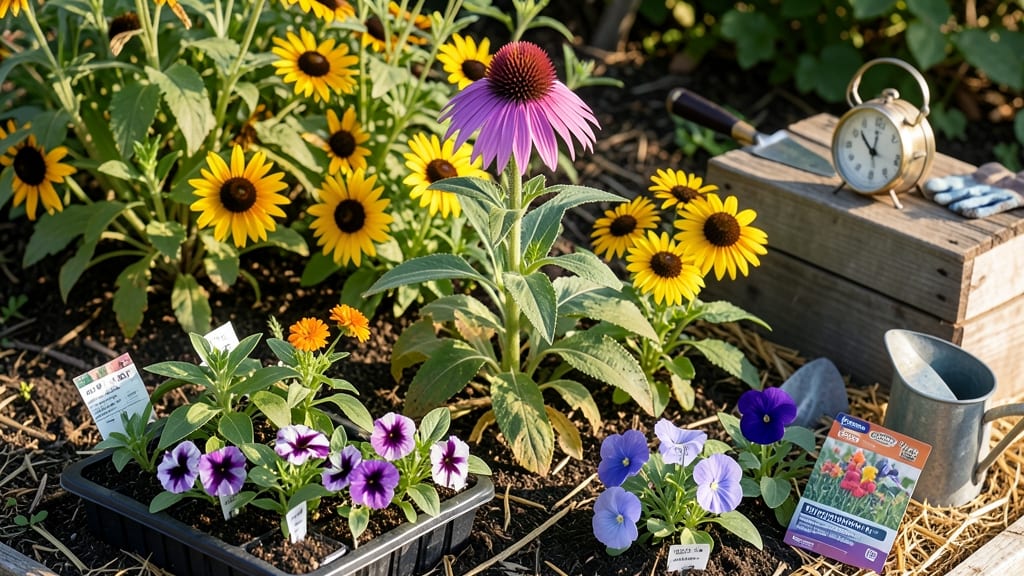
To plant flowers in Chicago, aim for after the last frost date—typically between April 15 and May 15—when soil warms to at least 50°F.
Chicago’s unpredictable spring weather can make planning your flower garden a high-stakes gamble—plant too early, and frost will kill your blooms; too late, and you’ll miss peak flowering seasons. But with the right timing, you can transform your yard into a vibrant showcase of color year-round.
In USDA Zone 5b, annuals like zinnias and marigolds thrive when sown directly after the frost, while perennials like coneflowers and daylilies benefit from an early start indoors. Bulbs, on the other hand, often need a late-summer planting window to establish roots before winter.
Below, I’ll break down the best planting windows for each flower type, share tips to extend your growing season, and help you avoid common mistakes—so you can enjoy a garden bursting with 🌸 from spring to fall.
Chicago’s last frost dates by flower type: safe planting windows for Zone 5b
Chicago’s USDA Zone 5b climate means frost can linger until mid-May, but timing your flower plantings correctly ensures vibrant blooms all season.
The average last frost date falls between April 15 and May 15, but microclimates—like urban heat islands or windy lake-effect zones—can shift this window by 1-2 weeks. Understanding these nuances helps you avoid frost damage while maximizing your garden’s potential.
Not all flowers share the same frost tolerance. Perennials like coneflowers and black-eyed Susans can handle light frosts even after emerging, while tender annuals like petunias and marigolds need warmer soil temperatures (50°F+) to thrive.
Below, I’ve broken down the best planting windows for Chicago’s most popular flowers, including bulbs, perennials, and annuals, so you can plan with confidence.
| Flower Type | Safe Planting Window | Frost Tolerance | Notes |
|---|---|---|---|
| Bulbs (Tulips, Daffodils) | Fall (Oct 1–Nov 15) | Hardy to 20°F | Plant in fall for spring blooms; mulch after frost. |
| Perennials (Coneflowers, Lavender) | Spring (Apr 15–May 15) | Tolerates light frost | Start seeds indoors 4-6 weeks before last frost. |
| Annuals (Marigolds, Zinnias) | After May 15 (or under cover) | Frost-sensitive | Use row covers for early starts; transplant after soil warms. |
| Heat-Tolerant Annuals (Cosmos, Sunflowers) | Late May–June (or fall) | Thrives in heat | Ideal for late summer color; sow directly after frost risk passes. |
| Pansies, Violas (Cool-Season) | Early spring (Mar 15–Apr 15) or fall | Tolerates light frost | Best for spring/fall blooms; avoid summer heat. |
| Peonies (Perennial) | Fall (Sept–Oct) | Hardy to 10°F | Plant bare-root in fall for robust growth. |
For Zone 5b microclimates, adjust your timing based on location. Gardens near Lake Michigan may experience later frosts due to lake breezes, while urban areas can warm up 1-2 weeks earlier thanks to heat absorption.
Always monitor soil temperature—aim for 50°F (10°C) for most flowers—and use frost prediction tools like the National Weather Service’s Chicago forecast.
If you’re eager to start earlier, cold frames or row covers can extend your planting window by 2-4 weeks. For example, cosmos and zinnias can be sown directly in late April under protection, giving you a head start on summer color.
Conversely, heat-loving annuals like sunflowers can be planted as late as June 15 for a late-season show.
Fall planting is another opportunity to add color. Cool-season annuals like snapdragons and calendulas thrive when sown in August–September, blooming until first frost in October.
Even perennials like asters benefit from late-summer division, ensuring vigorous growth next spring. Just ensure soil temps stay above 45°F (7°C) to avoid stunted growth.
Pro tip: Mark your calendar for May 15 as your general last-frost cutoff, but verify with local observations. For instance, 2023’s last frost in Chicago occurred on May 20, delaying plantings by a week.
Using frost-sensitive indicators, like dandelions blooming, can also signal safer planting times. Pair this with mulching to insulate roots and protect against late-season frosts.
Remember, perennials are the low-maintenance workhorses of Chicago gardens. Plant them once in spring or fall, and they’ll return year after year with minimal effort. Annuals, on the other hand, offer instant color but require replanting annually.
Balance your garden with a mix of both for year-round interest, starting with early bulbs (daffodils, crocuses) in spring, transitioning to annuals in summer, and ending with fall mums and pansies.
By aligning your plantings with Chicago’s frost dates and microclimates, you’ll create a garden that thrives despite the weather. Start with hardy perennials and bulbs, then layer in
How to extend your Chicago flower season: cold frames, row covers, and heat-tolerant varieties
Chicago’s short growing season doesn’t mean you’re limited to a few weeks of blooms. With the right strategies, you can extend your flower season by weeks—even months—using cold frames, row covers, and heat-tolerant varieties.
These techniques let you plant earlier in spring or later in fall, giving your garden a longer showcase of color.
One of my favorite tricks is using cold frames to start frost-sensitive plants like pansies or calendula as early as mid-March. These simple glass or plastic boxes trap heat from the sun, creating a microclimate that’s 10–15°F warmer than the surrounding air.
For late-season blooms, row covers (also called frost cloth) can protect tender plants like cosmos or zinnias until mid-October, pushing back the first frost.
For maximum impact, focus on heat-tolerant annuals that thrive in Chicago’s summer heat. Varieties like black-eyed Susans, celosia, and portulaca not only survive high temperatures but also bloom prolifically. These plants are perfect for filling gaps left by early-season flowers or extending your garden’s vibrancy into late summer.
- 🌱 Start cold frames in March to plant frost-sensitive flowers like pansies or snapdragons 3–4 weeks before last frost.
- 🌡️ Use row covers from late May through October to shield plants from light frosts and extend blooming until mid-October.
- ☀️ Choose heat-tolerant varieties like cosmos, zinnias, or lantana for summer-long color.
- 📅 Plant late-season flowers like marigolds or sunflowers in August for fall blooms before first frost.
- 💧 Water deeply in evening during heatwaves to reduce stress on heat-loving plants.
If you’re new to cold frames, start small with a DIY kit made from an old window frame and plexiglass. Place it on bare soil in a south-facing location to maximize sunlight exposure.
For row covers, opt for floating row covers (which allow water and air to pass through) to avoid smothering your plants. These covers are lightweight and easy to secure with bricks or stakes.
Another pro tip: succession plant heat-loving annuals every 2–3 weeks from June through August. This ensures a continuous display of blooms, even as some varieties fade. For example, plant zinnias in early June, followed by cosmos in July, and finish with black-eyed Susans in August.
This staggered approach keeps your garden looking full and vibrant all season.
Don’t forget to monitor soil temperature—most flowers need soil to warm to at least 50°F (10°C) before planting. Use a soil thermometer to track progress, especially in cooler microclimates like near large trees or north-facing walls.
With these strategies, you’ll turn Chicago’s short growing season into a long, colorful celebration of blooms.