
Flowers
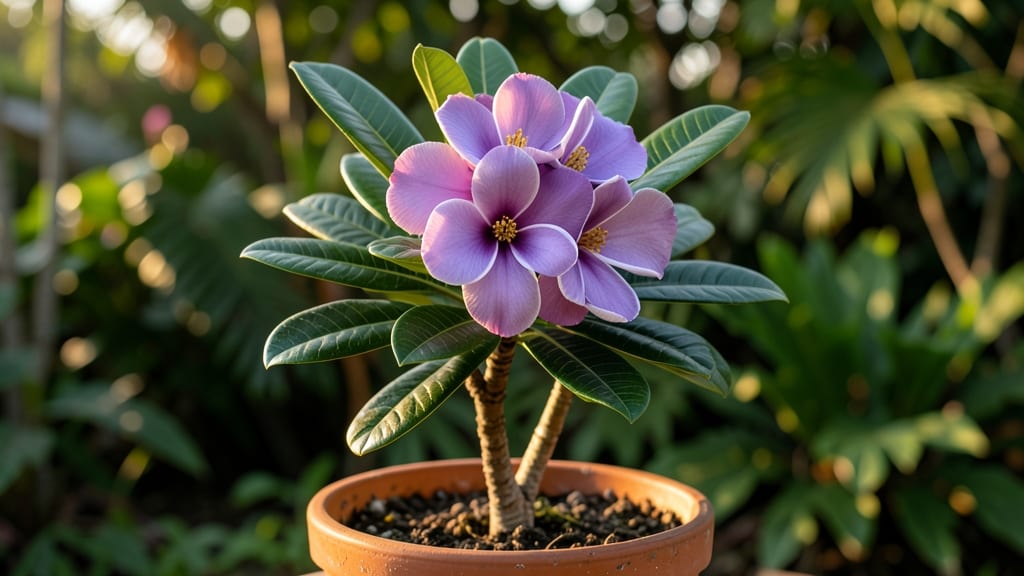
Growing a purple plumeria flower 🌺 is like nurturing a tropical treasure—its velvety blooms and intoxicating scent make it a standout in any garden.
Imagine a tropical garden bursting with rare purple plumeria flowers—their intoxicating fragrance and velvety petals make them a prized treasure for collectors. But growing these stunning blooms isn’t just about luck; it requires specific care to unlock their full potential.
If you’ve ever dreamed of cultivating these showstopping varieties, you’ll need the right conditions: warm climates, well-draining soil, and plenty of sunlight. Without these, your plumeria might struggle to thrive, leaving you with fewer blooms than you hoped for.
In this guide, I’ll share the secrets to growing thriving purple plumeria—from selecting the perfect variety to mastering pruning and avoiding common pitfalls. Let’s turn your garden into a fragrant paradise!
Rare purple plumeria varieties: identification and unique characteristics
If you're hunting for purple plumeria flowers, you're likely drawn to their velvety petals and intoxicating fragrance. These rare varieties stand out in any garden, but each has distinct traits that set them apart. Understanding these differences helps you choose the perfect cultivar for your space and climate.
From deep violet hues to soft lavender tones, purple plumeria come in stunning shades that range from Royal Purple to Lavender Dream. Some even boast double blooms or stronger fragrance than their white or pink counterparts. Let’s explore the most sought-after types and what makes them special.
🌺 Variety | 🌿 Petal Color | 🌡️ Fragrance Intensity | ✂️ Growth Habit | 🌡️ Hardiness Zone --- | --- | --- | --- | --- Purple Majesty | Deep violet-purple | Strong, sweet | Bushy, 6-10 ft | 10-12 Royal Purple | Rich plum with pink tips | Moderate, floral | Tall, 10-15 ft | 10-12 Lavender Dream | Soft lavender-pink | Light, delicate | Compact, 4-6 ft | 10-12 Purple Haze | Dusty purple-gray | Mild, subtle | Semi-dwarf, 5-7 ft | 10-12 Midnight Queen | Deep indigo | Strong, musky | Vigorous, 8-12 ft | 10-12
The 'Purple Majesty' is a favorite among collectors for its deep violet petals and strong fragrance. It thrives in full sun and grows into a bushy shrub, making it ideal for hedges or focal points.
Its 6-10 ft height ensures it becomes a statement piece in any tropical garden.
For those who prefer a softer look, 'Lavender Dream' offers delicate lavender-pink blooms with a light fragrance. This variety stays compact (4-6 ft), perfect for containers or small gardens. Its delicate petals make it a standout in mixed borders or as a cut flower.
If you love bold colors, 'Midnight Queen' delivers with its deep indigo petals and musky fragrance. This variety is vigorous, reaching 8-12 ft, and pairs beautifully with white or yellow plumerias for a striking contrast. Its dark hue makes it a showstopper in evening gardens.
When selecting a purple plumeria, consider your climate zone and garden layout. Most thrive in USDA Zones 10-12, but with proper winter care, you can grow them in Zone 9b by bringing them indoors or using container gardening.
Always choose a well-draining soil mix to prevent root rot.
Fragrance is another key factor. 'Royal Purple' offers a moderate floral scent, while 'Purple Majesty' delivers a strong, sweet aroma that fills the air. If you're sensitive to strong scents, opt for 'Lavender Dream' or 'Purple Haze', which have subtle, delicate fragrances.
For container gardening, compact varieties like 'Lavender Dream' or 'Purple Haze' are ideal. They handle pot life well and can be moved indoors during cooler months. Larger varieties like 'Midnight Queen' need spacious containers or ground planting to support their vigorous growth.
Always inspect new plants for pests or diseases before bringing them home. Look for yellowing leaves (sign of overwatering) or sticky residue (sign of aphids). Healthy purple plumeria should have glossy leaves and firm stems, ready to thrive in your garden.
Growing secrets for purple plumeria: soil, sunlight, and pruning tips
If you’ve ever dreamed of growing purple plumeria flowers with velvety petals and intoxicating fragrance, you’re not alone. These tropical beauties thrive with the right care, and I’ve learned through years of growing them that soil pH, sunlight exposure, and pruning are the game-changers.
Purple plumeria, like their pink or white cousins, demand specific conditions to reward you with abundant blooms. Let’s dive into the secrets that’ll transform your garden into a fragrant paradise.
First, let’s talk about the soil conditions that purple plumeria crave. These plants are native to tropical regions, where the soil is well-draining and slightly acidic. A soil pH between 6.0 and 7.0 is ideal, as it mimics their natural habitat.
If your soil is too alkaline, amend it with peat moss or sulfur to lower the pH. I’ve found that adding a layer of orchid bark or perlite to the soil mix improves drainage, which is critical to prevent root rot—a common killer of plumeria.
🌺 Top 5 Secrets for Thriving Purple Plumeria
- 1. Soil pH: Aim for 6.0-7.0—test and amend with peat moss if needed.
- 2. Sunlight: 6+ hours of direct sun daily; use shade cloth in Zone 10+ during peak summer.
- 3. Watering: Deep soak every 5-7 days; let soil dry between waterings to prevent rot.
- 4. Pruning: Trim dead blooms and leggy stems in early spring to encourage new growth.
- 5. Fertilizer: Use a 7-9-5 NPK blend in spring and summer; avoid over-fertilizing.
Next, let’s tackle sunlight requirements, which are non-negotiable for purple plumeria. These plants are sun worshippers and need at least 6 hours of direct sunlight daily. In my experience, they perform best when placed in full sun conditions, especially in Zones 10-12.
If you’re in a hotter climate like Zone 10 or 11, providing afternoon shade can prevent leaf scorch. I’ve noticed that plumeria grown in containers on patios thrive when moved to sunnier spots as the day progresses.
Watering is another area where many gardeners trip up. Purple plumeria are drought-tolerant once established, but they despise soggy roots. I water mine with a deep soak every 5-7 days during the growing season, ensuring the water penetrates the root zone.
In Zone 9b or colder, reduce watering in winter to every 10-14 days to mimic their natural dry season. Always water in the morning to allow foliage to dry before evening, reducing the risk of fungal diseases like powdery mildew.
Pruning is the final piece of the puzzle to keep your purple plumeria blooming like crazy. I prune mine twice a year: once in early spring to remove dead or weak growth and again after the first flush of blooms to shape the plant.
Always use sterilized pruning shears to avoid spreading disease. Cut just above a leaf node at a 45-degree angle to encourage new growth. Pro tip: Save your pruned stems—they’re perfect for propagation!
For gardeners in Zone 9b or colder, winter care is crucial. Purple plumeria are not frost-tolerant, so I move my container-grown plants to a bright, cool indoor space (like a garage or sunroom) where temperatures stay above 50°F.
Reduce watering significantly and avoid fertilizing until spring. With these adjustments, your plumeria will burst back to life in spring, ready to reward you with vibrant purple blooms.
With the right soil, sunlight, and pruning, your purple plumeria will flourish and fill your garden with fragrance for years to come. Start with these secrets, and soon you’ll be the envy of every gardener with a plumeria paradise of your own. Happy growing! 🌺