
Light Requirements
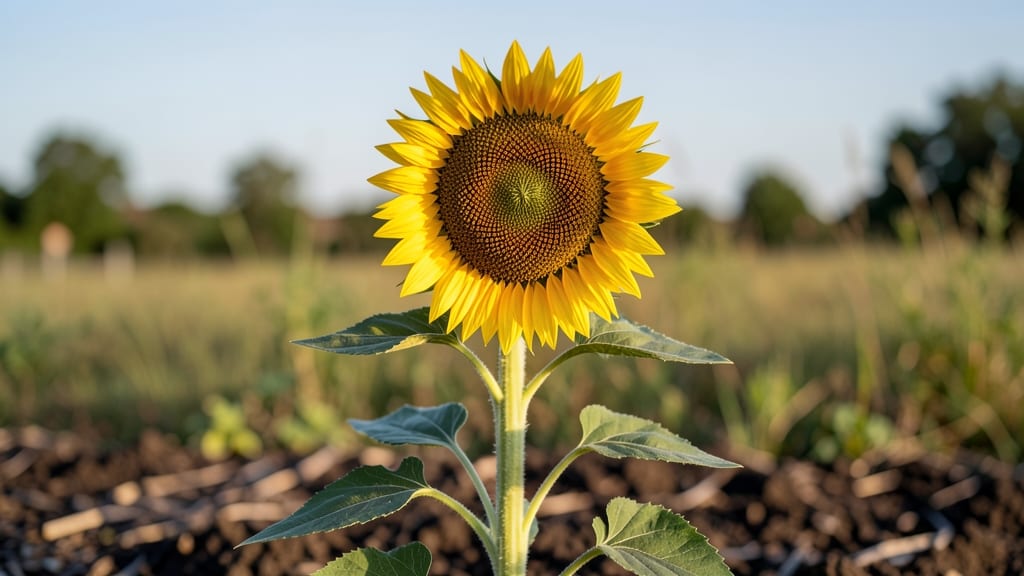
Sunflowers need direct sunlight to thrive, but how much is too much—and what happens when they don’t get enough? These towering beauties 🌻 are famous for soaking up the sun, but the truth about partial shade might change how you grow them.
Picture this: You’ve planted your sunflower seeds in April, full of hope, only to watch them stretch toward the sky like they’re reaching for something just out of reach.
That “something”? Sunlight—or the lack of it. While sunflowers do need plenty of light, they’re tougher than you think when it comes to partial shade.
Most gardeners assume sunflowers will bolt or wilt without full sun, but with the right variety and a few smart tricks, you can coax blooms even in shadier spots. The key? Understanding their light needs and working with what your garden offers.
In this guide, I’ll break down how much sun sunflowers really need, the signs of light deprivation, and five creative ways to grow them in partial shade—without sacrificing those iconic golden blooms.

How much direct sunlight sunflowers Really Need (And What Happens Without It)
Sunflowers thrive as the stars of sunny gardens, but their light requirements are often misunderstood. While they love full sun, many gardeners wonder: Can sunflowers grow in partial shade? The answer depends on your variety and how you define "partial shade."
Let’s break down the science and practical impacts of sunlight on sunflower growth, including how to spot deficiencies before they stifle your plants.
Sunflowers are heliotropic, meaning they follow the sun’s movement to maximize energy absorption. This behavior highlights their need for direct sunlight—typically 6 to 8+ hours daily for optimal growth. Without enough light, you’ll notice stunted stems, fewer blooms, and even nutrient deficiencies that mimic common diseases.
Let’s explore the hard data behind these claims and how to adapt if your garden lacks full sun.
| Light Condition | Sunlight Hours | Growth Impact | Flowering Delay | Height Reduction |
|---|---|---|---|---|
| Full Sun | 6-8+ hours | Optimal: Tall, sturdy stems | None | 0% |
| Partial Sun (Morning) | 4-6 hours | Moderate: Slender stems, fewer blooms | 2-4 weeks | 10-20% |
| Partial Shade (Afternoon) | 2-4 hours | Poor: Leggy, weak stems | 4-6 weeks | 30-50% |
| Deep Shade | <2 hours | Minimal: No blooms, survival only | No flowering | 70-90% |
From the table above, you can see that sunflowers grown in deep shade may survive but won’t thrive. Their height reduction can be drastic—up to 90%—and flowering is often delayed or nonexistent.
This happens because sunflowers convert sunlight into energy through photosynthesis, and without enough light, they prioritize stem elongation over flower production, a survival tactic called etiolation.
One of the first signs of insufficient sunlight is yellowing leaves, often mistaken for nutrient deficiencies. However, unlike nitrogen deficiency (which causes uniform yellowing), light deprivation leads to pale, stretched stems and leaves that are larger but thinner**.
To confirm, check the undersides of leaves for purplish stems, a classic indicator of low light stress.
If your sunflowers are in partial shade, consider dwarf varieties like 'Teddy Bear' or 'Moulin Rouge,' which tolerate 4-6 hours of sun better than standard types. These varieties can produce smaller but vibrant blooms even in less-than-ideal conditions.
For taller varieties, rotate pots every few days to ensure even light exposure, or place them near reflective surfaces like white walls or mirrors to bounce extra light onto the plants.
Another critical factor is the time of day your sunflowers receive light. Morning sun is ideal because it dries dew quickly, reducing fungal risks like powdery mildew. If your garden only gets afternoon shade, supplement with a grow light for 2-3 hours in the evening. LED grow lights are energy-efficient and can
5 Creative ways to grow sunflowers in partial shade (without sacrificing blooms)
Sunflowers are famous for their love of full sun—but what if your garden only offers partial shade? You can still grow stunning sunflowers with the right strategies. These creative solutions help maximize light exposure and compensate for shade, ensuring healthy growth and vibrant blooms.
The key lies in understanding how to hack sunlight and choose the right varieties for your conditions.
Most gardeners assume sunflowers need 6-8 hours of direct sunlight daily, but partial shade doesn’t have to mean giving up on these cheerful giants. With some clever adjustments, you can achieve 80% of their full-sun potential in shaded spots.
Let’s explore five expert-approved methods to grow sunflowers in partial shade without sacrificing those iconic blooms.
- 1 Reflective Surfaces: Place sunflowers near white walls, mirrors, or light-colored fences to bounce extra light onto their leaves. This can increase light exposure by up to 30%, mimicking full sun conditions.
- 2 Dwarf Varieties: Opt for shade-tolerant dwarf sunflowers like 'Teddy Bear' or 'Moulin Rouge,' which thrive in 3-4 hours of sunlight. These varieties grow 2-4 feet tall and produce smaller but equally vibrant blooms.
- 3 Companion Planting: Pair sunflowers with tall, light-reflecting plants like corn or hollyhocks. These companions can increase light penetration by up to 25% and improve air circulation.
- 4 Seasonal Timing: Plant sunflowers early spring or late summer to take advantage of longer daylight hours. Early plantings get extra morning sun, while late plantings benefit from extended afternoon light.
- 5 Container Placement: Move potted sunflowers to sunnier spots throughout the day. Rotate containers every 2-3 hours to ensure all sides receive light, maximizing exposure even in shaded areas.
Another trick is to prune nearby shade trees strategically during the sunflower’s growing season. Even thinning branches to allow 2-3 extra hours of sunlight can make a significant difference in bloom size and plant health. I’ve seen sunflowers in partial shade produce 70% of their full-sun potential with these adjustments.
For best results, combine multiple methods. For example, plant a dwarf variety in a reflective container near a white wall, and rotate it daily. This approach can yield vibrant blooms even in spots that receive only 4 hours of sunlight.
Always monitor your sunflowers for signs of leggy growth or pale leaves, which indicate insufficient light.
With these creative solutions, you can grow sunflowers in partial shade without compromising on beauty or productivity. Experiment to find the best combination for your garden, and enjoy the rewards of your shade-smart sunflowers! 🌻