
Propagation
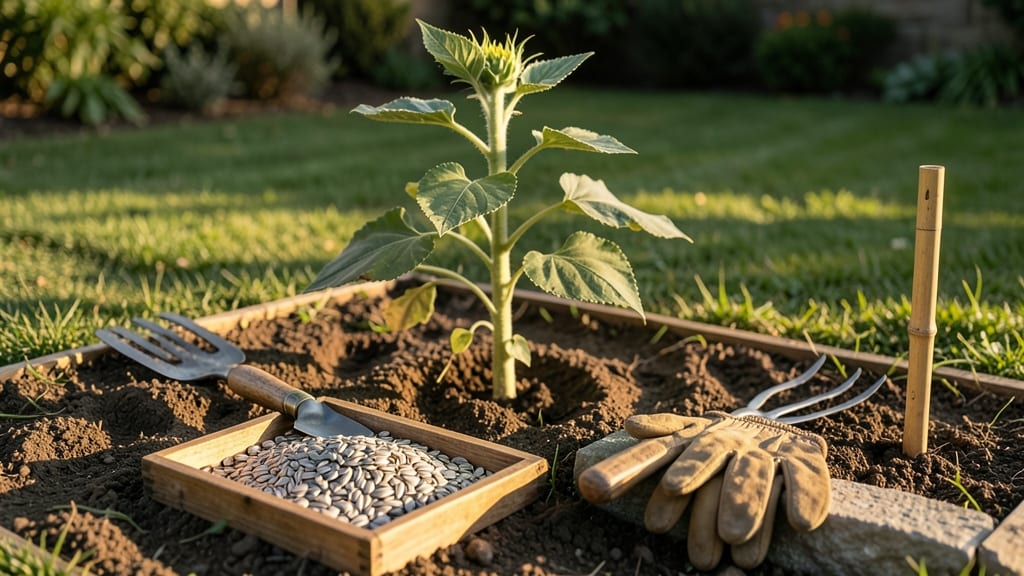
Planting sunflower seeds outdoors unlocks the potential for towering, sun-drenched blooms that can reach 12 feet—but only if you nail the depth and spacing.
Picture this: a single seed, buried just right, sprouts into a giant 🌻 that turns heads in your garden.
But plant it too deep or too close to neighbors, and you’ll end up with weak stems and stunted growth—something I’ve learned the hard way after watching seedlings struggle to stand tall. The secret lies in simple techniques that make all the difference.
Sunflowers thrive in well-drained soil with full sun, but timing matters too—wait until after your last frost (usually April-May in Zone 6a) to give them the warm start they need.
Below, I’ll walk you through the exact depth, spacing, and care tips to ensure your sunflowers grow strong from day one.
You’ll discover how to avoid overcrowding, troubleshoot common mistakes, and keep your sunflowers on track for record-breaking heights—no guesswork required.
Optimal sunflower seed depth and spacing for maximum growth
Sunflowers thrive when planted with precision—especially when it comes to seed depth and spacing. Research shows that planting seeds at ¼ to 1 inch deep ensures strong germination, while spacing them 12–24 inches apart prevents overcrowding and allows each plant to reach its full 10–16-foot potential.
These small adjustments can mean the difference between stunted growth and record-breaking sunflowers.
Soil temperature plays a crucial role in germination success. Sunflower seeds need soil that’s at least 55°F (13°C)—warmer than many gardeners realize. In cooler climates, wait until after the last frost (typically April–May) to plant.
If you’re in a warmer zone (USDA 8–11), you can start as early as March, but avoid planting when nighttime temperatures dip below 50°F (10°C).
Here’s the science behind the numbers: Planting seeds too deep (over 1 inch) delays germination because they struggle to push through dense soil. Conversely, shallow planting (¼ inch) risks exposing seeds to drying winds or birds.
The ¼–1 inch range balances moisture retention and ease of sprouting. For dwarf varieties (1–3 ft), tighter spacing (6–12 inches) works, but standard varieties need room to grow.
Regional adjustments matter too. In dry climates (e.g., Southwest U.S.), plant seeds ½ inch deep to retain moisture, while in humid regions (e.g., Pacific Northwest), a ¾-inch depth reduces fungal risks. Always loosen soil to 6 inches deep before planting to encourage root penetration and prevent waterlogging.
| Factor | Specification | Notes |
|---|---|---|
| Seed Depth | ¼–1 inch | Dwarf: ¼ inch; Standard: ½–1 inch |
| Spacing | 12–24 inches | Dwarf: 6–12 inches; Giant: 24+ inches |
| Soil Temp | ≥55°F (13°C) | Use row covers if planting early |
| Row Spacing | 24–36 inches | Prevents fungal spread between rows |
| Germination Time | 7–14 days | Slower in cool, wet soil |
Proper spacing isn’t just about avoiding overcrowding—it’s about stem strength. Sunflowers compete for nutrients and sunlight. When planted too closely (6 inches apart), they grow weak, leggy stems that snap under their own weight.
Space them 18–24 inches apart for giant varieties like ‘Mammoth’ or ‘Russian Giant’ to develop sturdy, 10–16-foot stalks.
For companion planting, place sunflowers near corn or beans to improve soil nitrogen, but avoid planting near potatoes or fennel, which stunt their growth.
If you’re growing sunflowers in containers, use large pots (at least 12 inches wide) and limit to 1–2 plants per container to prevent root competition.
Watering after planting is critical. Give seeds a gentle watering to settle soil, then wait until sprouts appear before resuming. Overwatering at this stage can lead to rot or fungal diseases.
Once seedlings emerge, water deeply 1–2 times per week to encourage deep root growth. Mulch around the base with straw or grass clippings to retain moisture and suppress weeds.
Monitor your sunflowers for signs of overcrowding, like yellowing leaves or stunted growth. If you notice these, thin seedlings to 12–18 inches apart immediately. Remember, the goal is to grow healthy, straight stems that can support those stunning 10–12-inch-wide blooms.
With the right depth and spacing, your sunflowers will reward you with towering beauty all season long.
Don’t forget to rotate crops next year—sunflowers are heavy feeders and deplete soil nutrients. Plant them in a new spot annually to maintain soil fertility and prevent disease buildup. With these techniques, you’ll be well on your way to growing sunflowers that outshine the rest of the garden.
Step-by-step guide to planting sunflower seeds outdoors like a pro
Sunflowers are one of the easiest annuals to grow, but their towering heights and vibrant blooms depend entirely on proper planting techniques. The key to success lies in timing, soil prep, and consistent care—all starting with the first seed in the ground.
Whether you're a beginner or a seasoned gardener, these steps will ensure your sunflowers grow strong and healthy from day one.
Timing is everything when it comes to planting sunflower seeds outdoors. You’ll want to wait until after your last frost date, typically in late April or May in most U.S. regions.
This ensures the soil has warmed to at least 55°F (13°C), which is critical for germination. Cold soil can delay sprouting or even prevent seeds from breaking through the surface.
🌱 Step-by-Step Planting Guide
- 1 Choose the Right Location: Select a spot with full sun exposure (6+ hours daily) and well-draining soil. Sunflowers thrive in open areas where they won’t be shaded by taller plants.
- 2 Prepare the Soil: Loosen the soil to a depth of 6–8 inches and mix in 2–3 inches of compost to enrich nutrients. Avoid heavy clay soils, as they can cause root rot.
- 3 Plant the Seeds: Drop 1–2 seeds per hole at a depth of 1 inch (¼–½ inch for dwarf varieties). Space seeds 12–24 inches apart, depending on the mature height of your variety.
- 4 Water Gently: Water the soil deeply but lightly after planting to settle the seeds. Avoid soaking the soil, as this can wash seeds away or cause them to rot.
- 5 Monitor Germination: Germination typically occurs in 7–14 days under ideal conditions. Keep the soil moist but not soggy during this time. Thin seedlings to the strongest one per spot once they reach 2–3 inches tall.
- 6 Establish a Watering Routine: Once seedlings emerge, water deeply 1–2 times per week, focusing on the base of the plant. Mulch around the stems to retain moisture and suppress weeds.
- 7 Fertilize Lightly: Apply a balanced fertilizer (10-10-10) when plants are 1–2 feet tall. Avoid over-fertilizing, as this can lead to weak stems or excessive foliage at the expense of blooms.
After planting, patience is key as you wait for those first green shoots to appear. Sunflower seeds germinate best in warm soil, so if your area experiences late frosts, consider using a row cover or planting in black plastic mulch to speed up soil warming.
This simple trick can shave off days—or even weeks—from your germination timeline.
Once your sunflowers reach 6 inches tall, they’ll need sturdy support if you’re growing taller varieties. Stake them early to prevent toppling in wind or rain.
For shorter varieties, spacing them 6–12 inches apart reduces the need for additional support while still allowing plenty of air circulation to prevent fungal diseases like powdery mildew.
With these steps, your sunflowers will grow into show-stopping giants that attract pollinators and brighten your garden all season long. The secret to their success? Consistency in care—from the moment you plant that first seed to the day they bloom. 🌻