
Plants
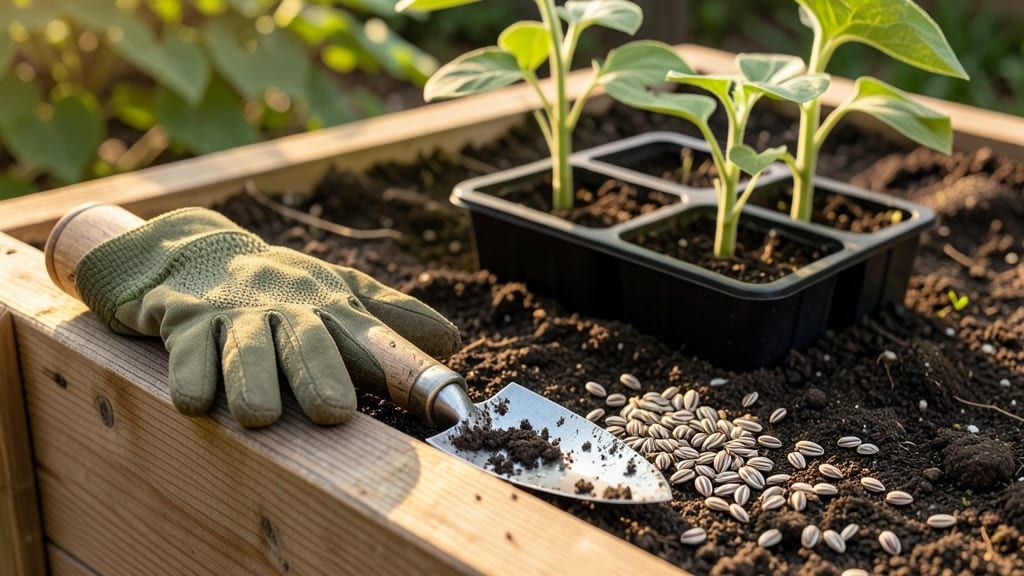
Planting sunflower seeds in Arkansas at the right time ensures fast germination and those towering 🌻 blooms you’re dreaming of by summer.
But here’s the catch: Arkansas’ 7a-8b climate means your window is tight—sow too early, and frost can stall growth; too late, and summer’s heat arrives before the seeds even sprout.
Most gardeners in Arkansas wait until soil temperatures hit 55–65°F, which typically lands between mid-April and early June, right after the last frost.
In this guide, I’ll break down the exact soil temperature triggers, regional tweaks for northern vs. southern Arkansas, and how to prep your soil for fast, healthy sunflowers that reach their full height.
Best planting months for sunflowers in Arkansas based on soil temperature
Arkansas gardeners know sunflowers 🌻 love the heat, but timing your seeds correctly means the difference between fast germination and slow, stunted growth. The key? Planting when soil temperatures hit 55–65°F—the sweet spot for sunflower seeds to sprout within 7–10 days.
In Arkansas, this typically aligns with March through May, but regional microclimates shift those windows slightly.
Northern Arkansas (USDA Zone 7a) has cooler soils longer, while southern Arkansas (Zone 8b) warms up faster. For example, Fayetteville may wait until late April, while Little Rock can start as early as mid-March. Understanding these differences ensures your sunflowers thrive from seed to towering bloom.
Here’s your soil temperature guide for planting sunflower seeds in Arkansas, broken down by region and month:
In northern Arkansas, where soils stay cooler longer, aim for late April to early May when soil temperatures consistently reach 55–60°F. This timing aligns with the average last frost date of March 20–April 5, giving seedlings enough time to establish before summer heat arrives.
For central Arkansas, mid-April is ideal, while southern Arkansas gardeners can start as early as mid-March.
If you’re unsure about your soil temperature, use a soil thermometer (available at garden centers for under $10) to check 2 inches deep in the morning. This depth mimics where seeds will germinate.
For cooler zones, black plastic mulch can raise soil temperatures by 5–10°F, speeding up germination and extending your planting window by 1–2 weeks.
Pro tip: Direct sow seeds after the last frost, as sunflowers hate transplanting. Plant seeds 1 inch deep and 6 inches apart in rows 2 feet apart to give them room to grow.
In Arkansas’s humid climate, ensure your soil is well-draining to prevent fungal diseases like damping off, which can kill young seedlings.
For late-season blooms, Arkansas gardeners can plant a second crop in early June, especially in southern regions. Choose fast-maturing varieties like ‘Teddy Bear’ (50–60 days to harvest) to ensure flowers bloom before the first frost in November.
Just be prepared for intense summer heat, which can stress young plants—water deeply every 2–3 days during dry spells.
Remember, sunflowers are heat-loving annuals, but they need a strong start. By planting when soil temperatures are ideal for your region, you’ll set the stage for vibrant, sun-drenched blooms that attract pollinators and add height to your garden. Happy planting! 🌻
How to check soil temperature and adjust planting for Arkansas conditions
Arkansas gardeners know timing is everything when planting sunflowers. While the last frost date (typically March 15) guides many crops, sunflowers need warmer soil to germinate properly.
A soil thermometer is your secret weapon—it tells you exactly when conditions are right for planting, even if air temperatures are still chilly.
Sunflower seeds germinate best when soil temperatures reach 55–65°F. In northern Arkansas (USDA Zone 7a), this often means waiting until mid-April, while southern regions (Zone 8b) can plant as early as late March.
Checking soil temperature ensures you don’t waste seeds on cold, slow-starting soil.
⚠️ callout-warning
Cold soil (below 50°F) causes sunflower seeds to rot or sprout unevenly. Arkansas Extension Service data shows 30% germination failure when planted before soil warms to 55°F. Wait for consistent warmth—patience prevents replanting!
Pro Tip: Use black plastic mulch to warm soil 5–10°F faster in cooler zones.
To check soil temperature, insert a soil thermometer 2–3 inches deep (where seeds will go) and read it on a shady day (sun heats soil unevenly).
Early mornings are ideal—soil cools overnight, giving you the lowest daily temp, which is critical for germination. Record temps for 3–5 days to spot trends.
If your soil hasn’t reached 55°F by early April, don’t panic. Extend your growing season with row covers or black plastic mulch. Black plastic absorbs sunlight, raising soil temps by 10–15°F and speeding germination.
Lay it down 1–2 weeks before planting for best results. For cooler microclimates (like mountain areas), opt for fast-maturing varieties like ‘Moulin Rouge’ (50–60 days to bloom).
Once soil hits 60°F+, plant seeds 1 inch deep and 6 inches apart. In Arkansas’s heat, germination happens in 7–14 days—but only if soil stays warm.
Monitor temps daily after planting; drops below 50°F can stall sprouts. Water lightly to keep soil moist but not soggy, and watch for bright green leaves signaling successful germination.
For a second planting in early June, check soil temps again—late-summer sunflowers need 65–75°F soil to thrive before Arkansas’s first frost (November 15). Use this method year after year, and you’ll always have towering sunflowers ready for harvest by fall. 🌻