
Diseases
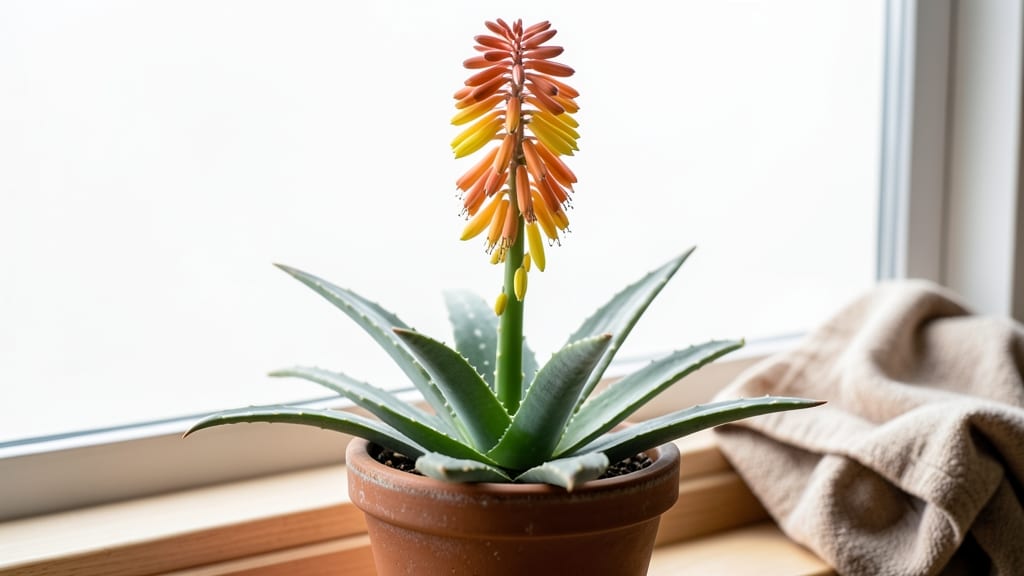
Your aloe vera’s yellow flower isn’t just a pretty sight—it’s a direct message from your plant about its health, and ignoring it could mean losing those prized leaves 🌱.
Picture this: You’ve watered just right, given it the perfect light, and still, those once-vibrant blooms turn a sickly yellow. That’s your aloe vera’s way of saying, "Something’s off"—whether it’s too much love (like overwatering), a hidden pest party, or a nutrient crisis.
Most gardeners assume yellow flowers mean the plant is dying, but the truth is more nuanced. Sometimes it’s just the plant’s natural cycle, while other times it’s a red flag for fungal infections or mealybugs lurking in the folds.
The key is knowing how to tell the difference—and how to fix it fast.
In this guide, I’ll walk you through the top causes, step-by-step fixes (from adjusting watering to organic sprays), and when to cut your losses. By the end, your aloe vera will be back to thriving—and those flowers? Bright and healthy again.
Why your aloe vera has yellow flowers: root causes explained
Aloe vera plants typically produce vibrant orange or red flowers, but when you spot yellow flowers, it’s a red flag worth investigating. This color shift rarely occurs naturally and almost always signals an underlying issue.
Understanding the root causes helps you address the problem before it spreads to the leaves or roots.
The biological triggers behind yellowing aloe vera flowers include nutrient deficiencies, overwatering stress, or even fungal infections. Each of these issues disrupts the plant’s natural flowering process, causing chlorophyll breakdown in the petals.
For example, a lack of magnesium or nitrogen can lead to chlorosis, where yellowing replaces the expected pigmentation.
Seasonal factors also play a role. Aloe vera flowers in spring or summer under ideal conditions, but if your plant blooms outside this window, it may indicate environmental stress. Cold drafts, sudden temperature drops, or inconsistent light exposure can all trigger abnormal flowering patterns, including yellowing.
Mature aloe vera plants (over 3 years old) are more resilient and may display yellow flowers due to natural aging or overcrowded roots.
In contrast, younger plants (under 2 years old) often show yellow flowers as a response to poor care practices, like overwatering or improper soil drainage.
Comparison Table: Yellow Flowers in Aloe Vera
One of the most common culprits is overwatering, which disrupts the plant’s natural processes. When aloe vera sits in soggy soil for extended periods, its roots suffocate, leading to root rot.
This stress forces the plant to divert energy away from flower pigmentation, resulting in yellow blooms. Always ensure your aloe vera’s pot has drainage holes and use a well-draining cactus mix.
Nutrient deficiencies often manifest as yellow flowers in mature aloe vera plants. A lack of magnesium or iron causes chlorosis, where chlorophyll breaks down. Test your soil’s pH (ideal range: 6.0–7.5) and amend with compost or a balanced fertilizer like 2-7-7 NPK to restore health.
Fungal infections, such as powdery mildew, thrive in humid conditions and can turn aloe vera flowers yellow. Look for white powdery spots on petals or leaves—this is a clear sign of infection. Improve airflow by spacing plants apart and applying neem oil as a preventive measure.
If your aloe vera is flowering outside its natural spring/summer window, it may be responding to environmental stress. Cold drafts, inconsistent light, or sudden temperature swings can all trigger abnormal blooming. Move your plant to a consistent, warm location with 6+ hours of bright light daily.
Pests like mealybugs or scale insects can also cause yellow flowers by sapping the plant’s nutrients. Inspect the undersides of leaves and flower stems for cottony webs or sticky residue. Treat infestations with insecticidal soap or a diluted alcohol spray.
Remember, yellow flowers in aloe vera are rarely a good sign. Addressing the root cause early—whether it’s adjusting watering habits, testing soil nutrients, or controlling pests—will help restore your plant’s vitality and prevent further damage.
Step-by-step fixes to restore healthy aloe vera growth
Yellow flowers on your aloe vera signal stress, but don’t panic—this succulent is resilient when given the right care. The first step is addressing watering habits, which is often the root cause. Overwatering or inconsistent moisture triggers yellowing, especially in the flower stalks and leaves.
Next, check your light exposure. Aloe vera thrives in bright indirect light, but too little sun weakens the plant, making it vulnerable to yellowing. If your plant is indoors, move it to a south-facing window or use a grow light for 6-8 hours daily.
🌱 Step-by-Step Fixes for Aloe Vera Yellow Flowers
- 1 Adjust Watering Immediately: Let the soil dry completely between waterings. Stick your finger 2 inches deep—if it’s damp, wait. Use a pot with drainage holes and water only when the soil is bone-dry.
- 2 Test Soil for Deficiencies: Yellowing can indicate nutrient imbalances, especially low potassium or magnesium. Use a soil test kit (available at garden centers) and amend with compost or a balanced 2-7-7 fertilizer if needed.
- 3 Optimize Light Exposure: Place your aloe vera in 6+ hours of bright light daily. If indoors, rotate the pot quarter-turns weekly to prevent uneven growth. Outdoor plants need morning sun and afternoon shade in hot climates.
- 4 Prune Affected Flowers: Use sterilized scissors to snip yellow flowers at the base. Avoid cutting into the main rosette. Dispose of pruned flowers in the trash (not compost) to prevent fungal spread. Healthy flowers can be propagated for new plants!
- 5 Prevent Recurrence with Mulch: Apply a 1-inch layer of gravel or perlite around the base to improve drainage and reduce moisture retention. Avoid organic mulch, which can compact and trap water.
After addressing these fixes, monitor your aloe vera’s progress over 2-4 weeks. Healthy new growth should emerge from the center rosette, and yellowing should slow or stop. If the problem persists, check for pests like mealybugs or fungal infections, which may require targeted treatments.
Remember, aloe vera is a low-maintenance plant, but it does communicate its needs. By adjusting your care routine, you’ll help your plant bounce back and thrive for years to come. With patience and consistency, those yellow flowers will be a distant memory! 🌿