How To
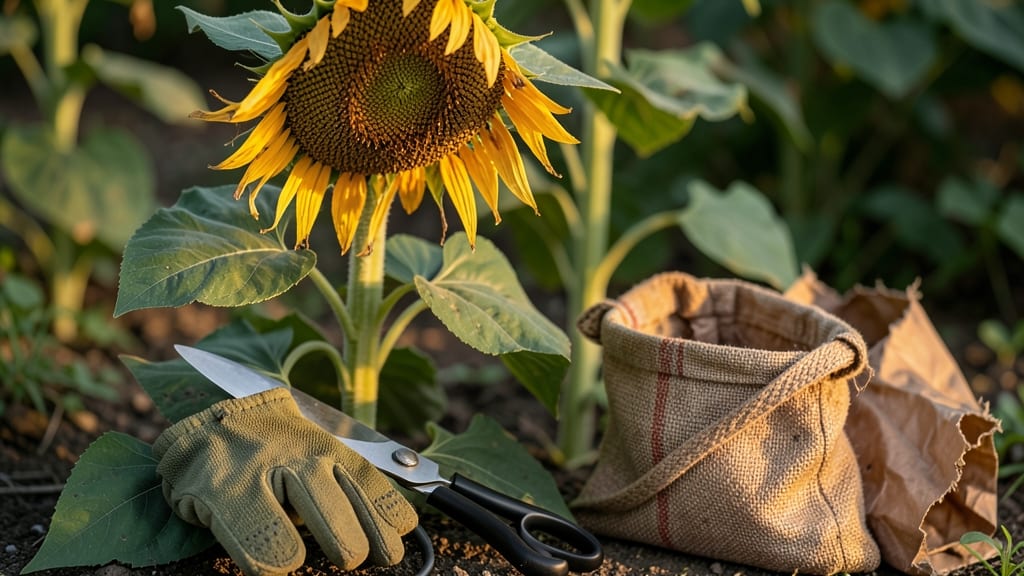
Picking sunflower seeds at the right time means waiting for that perfect moment when the back turns yellow-brown and the petals drop—otherwise, you risk bitter, underdeveloped seeds or wasted effort.
I’ve watched dozens of sunflowers 🌻 go from vibrant blooms to dried-out husks, and the difference between a perfect harvest and a missed one comes down to timing.
That back-of-hand test? It’s not just a trick—it’s the key to knowing when seeds are ready, even if you’re not sure what to look for.
Too early, and the seeds won’t store well; too late, and birds or frost will beat you to them. Below, I’ll walk you through the exact signs to watch for—color changes, seed head firmness, and even the best time of day to check—so you never guess again.
You’ll also learn how to dry and store your seeds for next year’s garden, plus how to tell if your sunflowers are on track for a high-yield harvest or headed for disappointment. No more second-guessing—just perfect, ready-to-plant seeds.
How to use the back-of-hand test for sunflower seed ripeness
Harvesting sunflower seeds at the right time can mean the difference between plump, viable seeds and shriveled disappointment. The back-of-hand test is my go-to method for determining ripeness—no guesswork, just tactile feedback.
When your seeds are ready, the seed head will show subtle but unmistakable signs that a simple touch can confirm.
Before you even think about harvesting, focus on three key visual cues: the seed head color should shift from green to a yellow-brown hue, the petals will naturally drop away, and the back of the head will feel dry and papery.
These signs alone won’t always guarantee ripeness, though—you’ll need to combine them with the hand test for accuracy.
Look for a yellow-brown backside of the seed head. If it’s still green or only partially brown, the seeds aren’t ready yet.
Gently shake the sunflower. If the petals have already fallen off or are loose, it’s a good sign—but don’t rely on this alone.
Press your fingernail into the back of the seed head. If it dents easily and the skin feels dry, the seeds are ready. If it’s still firm or springs back, wait a few more days.
Give the seed head a gentle shake. If seeds rattle inside, they’re fully mature. If it sounds hollow but not full, they need more time.
Choose a sunny, dry day to harvest. Cut the seed head with 2-3 inches of stem attached and hang it upside down in a well-ventilated space.
The back-of-hand test is all about pressure sensitivity. When the seed head is ripe, the outer shell will feel thin and brittle—almost like parchment paper. If you press too hard and the shell cracks, you’ve waited too long.
The goal is to find that sweet spot where the head gives just enough under pressure to confirm ripeness without damage.
One common mistake I see is harvesting based solely on seed head color. Some varieties may turn brown but still have moisture-rich seeds inside. Always combine color cues with the tactile test.
Another pitfall is harvesting after the first frost, which can ruin seed viability—even if the head looks ready.
If you’re unsure whether your seeds are ripe, try this trick: crack one open. A fully ripe seed will have a dark, plump kernel with minimal white or green remnants.
If the kernel is still pale or shriveled, give the sunflower a few more days. This quick check saves time and ensures you don’t waste effort on underripe seeds.
Once you’ve confirmed ripeness with the hand test, the next step is drying the seeds. Lay the seed heads on a paper-lined tray in a warm, dry spot for 1-2 weeks.
Stir them occasionally to speed up the process. Proper drying prevents mold and ensures long-term storage viability.
Remember, sunflower varieties can vary in ripening time. Giant varieties like Russian Mammoth may take 100-120 days to mature, while dwarf varieties like Teddy Bear can be ready in 60-80 days. Always check your specific variety’s days to maturity for a baseline, then fine-tune with the back-of-hand test.
With practice, the back-of-hand test becomes second nature. You’ll start recognizing the subtle differences between ripe and overripe seed heads just by touch. This method ensures you maximize your yield and avoid the frustration of shriveled or moldy seeds—giving you the best chance for successful storage and future planting.
Signs of overripe vs. underripe sunflower seeds (comparison guide)
Knowing when to harvest sunflower seeds can be tricky—miss the window, and you end up with either green, unripe seeds or overly dried, shriveled seeds. The difference often comes down to visual cues and tactile feedback.
Let’s break down what to look for in each stage so you can salvage borderline cases and maximize your yield.
Start by examining the seed head color. Underripe sunflowers still show green or yellow-green hues on the back of the head, while overripe heads turn deep brown or blackened.
Pay attention to the petals too—if they’re still attached, the seeds aren’t ready. If they’ve fallen off and the head feels hollow when shaken, you’re in the sweet spot.
Here’s a quick comparison to help you decide:
| Sign | Underripe Seeds | Perfectly Ripe Seeds | Overripe Seeds |
|---|---|---|---|
| Seed Head Color | Green or yellow-green | Yellow-brown | Deep brown or blackened |
| Petals | Still attached | Fallen off naturally | Mostly gone, head may split |
| Seed Head Texture | Firm, no give | Dry, papery, rattles when shaken | Brittle, may crumble |
| Back-of-Hand Test | No browning, feels damp | Yellow-brown, dry to touch | Dark brown, may feel rough |
| Seed Appearance | Plump but soft | Firm, easy to shell | Shriveled, hard shell |
| Leaf Condition | Green, healthy | Yellowing at edges | Dry, crispy, or fallen |
If you’re unsure, perform the back-of-hand test: gently rub the back of your hand against the seed head. If it leaves a yellow-brown dust, the seeds are ripe. No color?
Wait a few days. Too much dark dust? The seeds are overripe. For borderline cases, cut open the head—ripe seeds will pop out easily, while underripe ones will feel moist and sticky.
For overripe seeds, you can still salvage them by drying them indoors on a paper towel for a few days. If the seeds are underripe, leave the head on the plant and check daily.
Once you’ve harvested, store seeds in a cool, dry place to maintain viability for next year’s garden. Don’t forget to shake the heads gently to dislodge any lingering seeds before storage!
With these visual and tactile cues, you’ll never miss the perfect moment to harvest sunflower seeds again—just imagine the golden bounty you’ll have for planting or snacking! 🌻