
Plants
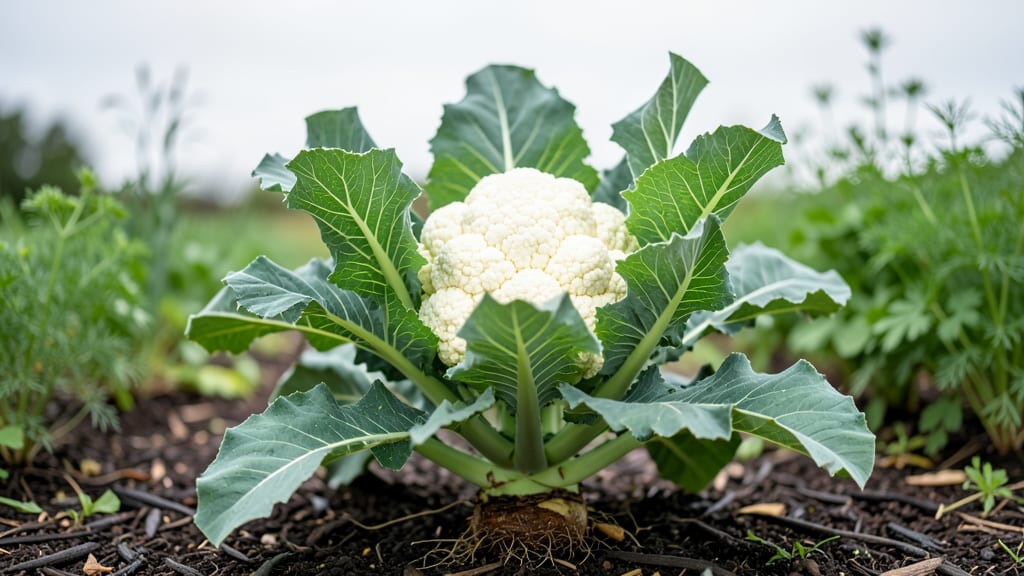
Cauliflower plants typically grow between 1 and 2 feet tall, but some compact varieties stay under 12 inches—making them ideal for small gardens or containers.
If you’ve ever dreamed of growing your own 🥬 but worry about limited garden space, you’re not alone—many gardeners assume these plants need acres to thrive. The truth? Some varieties stay under 2 feet tall, making them perfect for containers, small plots, and even urban balconies.
Why does height matter? Taller varieties like 'Cheese' or 'Cheddar' need more space, while dwarf types like 'Graffiti' or 'Miniature White' pack big flavor into tiny footprints.
Whether you’re working with a windowsill or a raised bed, choosing the right variety can mean the difference between a crowded mess and a bountiful harvest.
Below, I’ll break down the height ranges of popular cauliflower types, how to space them properly, and a few space-saving tricks to maximize your yield—no matter how small your garden is.

Cauliflower height breakdown: standard vs space-saving varieties
When planning your garden, cauliflower height can make or break your space strategy. Traditional varieties like 'Snowball Y Improved' reach 24-36 inches tall, while dwarf varieties like 'Purple of Sicily' stay under 18 inches.
This difference isn’t just about aesthetics—it impacts yield per square foot, container compatibility, and even pest management. Let’s break down how these heights affect your garden layout and productivity.
Taller cauliflower plants need more vertical space and wider spacing between plants (18-24 inches apart) to prevent competition. Dwarf varieties, however, thrive in containers or tight rows (12-16 inches apart), making them ideal for urban gardens or small plots.
The right choice depends on your growing conditions and goals—whether you prioritize head size or space efficiency.
Here’s how cauliflower height translates into real-world growing scenarios:
Choosing the right cauliflower height for your space isn’t just about fitting plants into your garden—it’s about optimizing sunlight exposure, air circulation, and harvest accessibility.
Dwarf varieties, for example, are easier to hand-harvest and protect from pests like cabbage moths, while taller varieties may need staking or trellising to support their weight. If you’re growing in containers, prioritize dwarf or semi-dwarf varieties to avoid root-bound stress.
Another critical factor is soil depth. Taller cauliflower plants need at least 12 inches of soil depth to establish strong roots, while dwarf varieties can thrive in shallow containers (8-10 inches deep).
This makes them perfect for balcony gardening or window boxes. For example, 'Miniature White' can produce multiple harvests in a single 12-inch pot, while taller varieties may require larger containers or in-ground planting.
If you’re working with limited vertical space, consider succession planting for taller varieties. By staggering plantings every 2-3 weeks, you can maximize your harvest without overcrowding. This works especially well in small gardens or urban settings where space is at a premium. For instance, planting 'Snowball Y
5 Compact cauliflower varieties perfect for small gardens
Growing cauliflower in small spaces isn’t just possible—it’s easier than you think with the right compact varieties. These space-saving plants mature at under 2 feet tall, making them ideal for containers, balconies, or tight garden beds.
Let’s explore five top picks that deliver big flavor in small footprints, perfect for gardeners with limited room.
When selecting cauliflower for small gardens, focus on mature height and growth cycle. Most dwarf varieties reach harvest in 60-75 days, giving you quick rewards. Below, I’ve highlighted five varieties that thrive in tight spaces while delivering delicious, high-quality heads.
Each is chosen for its adaptability to containers and beginner-friendly care.
- 1. 'Miniature White' – 12-18 inches tall, 60-70 days to harvest. Perfect for 5-gallon containers; produces 3-4 inch heads with tender, sweet flavor. Beginner rating: 9/10.
- 2. 'Graffiti' – 16-20 inches tall, 65-75 days. Striking purple-and-white heads thrive in 10-inch pots. Tolerates cooler temps better than most varieties. Beginner rating: 8/10.
- 3. 'Romanesco' – 18-22 inches tall, 70-80 days. Unique fractal-shaped heads in emerald-green. Needs well-draining soil; great for vertical gardening in hanging baskets. Beginner rating: 7/10.
- 4. 'Purple of Sicily' – 14-18 inches tall, 60-70 days. Deep purple heads with nutty flavor. Thrives in partial shade, ideal for urban balconies. Beginner rating: 8/10.
- 5. 'Snowball Y Improved' – 18-24 inches tall, 75-85 days. Classic white heads with high yield. Best for larger containers (15+ gallons) or small in-ground plots. Beginner rating: 9/10.
For all these varieties, container size matters. Use pots with at least 5 gallons of soil for single plants, and ensure they have drainage holes to prevent root rot. Soil pH between 6.0-7.0 is critical—test your soil or amend with compost or lime if needed.
To maximize your harvest, space plants 12-18 inches apart in containers or garden beds. Thin seedlings early to avoid competition, and keep soil consistently moist during head formation. A light mulch layer helps retain moisture and suppress weeds in tight spaces.
With these compact varieties, you’ll enjoy homegrown cauliflower without sacrificing space. Whether you’re growing on a balcony or in a small raised bed, these picks prove that big flavor fits in small gardens. Happy planting! 🌱