Flowers
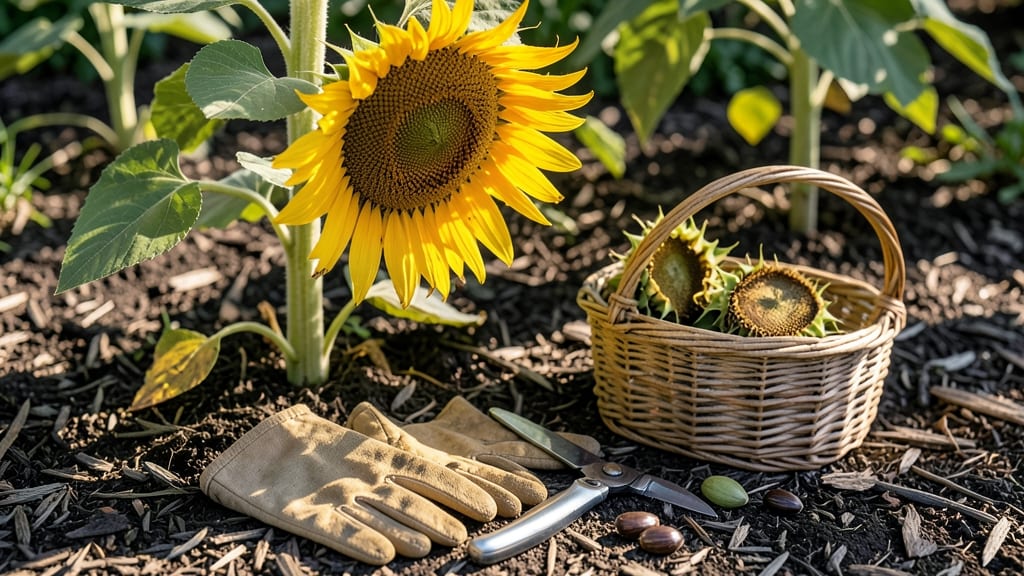
Sunflowers are ready to harvest when their seed heads turn fully brown and the petals begin to droop 🌻 — timing this perfectly ensures the best flavor and seed quality.
Picture this: you’ve nurtured your towering sunflowers all summer, watching them grow from tiny sprouts to vibrant giants. Now, the moment of truth arrives — but how do you know when to pick them without missing the window?
One wrong move, and you’re left with either underripe seeds or a sad, shriveled mess.
Beyond the obvious color change, there are three key signs to watch for: the back of the flower head turning from green to yellow, petals wilting, and a dry, papery texture when you touch the seeds.
Ignore these cues, and you might end up with seeds that won’t store well or flowers that wilt too soon in your vase.
In this guide, I’ll walk you through exactly what to look for, how to test seed readiness, and even how to avoid common mistakes like bird damage or overripe blooms. By the end, you’ll harvest like a pro — no guesswork required.
3 Unmistakable signs your sunflowers are ready for harvest
There's nothing quite like watching sunflowers grow from tiny sprouts into towering giants with vibrant blooms. But knowing exactly when to harvest them can mean the difference between perfect seeds and bitter disappointment.
The key lies in understanding three unmistakable signs that tell you—without a doubt—your sunflowers are ready for the picking. These visual and tactile cues are your golden ticket to harvesting at peak ripeness.
Sunflowers are surprisingly patient plants, giving you a clear window of 7-10 days between early signs and full maturity. Missing this window means seeds may become too dry, lose flavor, or even sprout in the head.
Let's explore the three foolproof indicators that transform guesswork into confident harvesting, whether you're growing them for seeds, cut flowers, or both.
The green bracts at the center should transform into a uniform brown or golden hue. This signals the seed oil content has peaked for flavor.
The yellow petals will naturally curve downward or detach easily. This is nature's way of redirecting energy to seed maturation.
Run your thumb over the seed head—it should feel dry and crisp, like parchment paper. If it feels moist or rubbery, wait 2-3 more days.
Let's start with the most obvious sign: the color transformation at the back of the flower head. When I first grew sunflowers, I assumed the petal color was the only indicator—but that's actually a red flag.
The true maturity signal comes from the green bracts at the center turning golden brown. This color change happens because the chlorophyll breaks down as the seeds mature, revealing the carotenoids that give sunflower seeds their signature color.
For edible seeds, this brown color means the oil content has reached its peak—ideal for roasting or pressing. But here's a pro tip: if you're growing varieties like 'Mammoth' or 'Russian Giant', wait until 90% of the back has turned brown.
Smaller varieties like 'Teddy Bear' can be harvested when 50-70% is brown, as their seeds mature faster. The regional timing also plays a role—northern climates may need an extra week compared to southern gardens.
The petal behavior is another dead giveaway. When sunflowers are ready, their petals begin to droop like a tired sunbather at the end of the day. This isn't just random wilting—it's a biological cue that the plant's energy has shifted from attracting pollinators to seed development.
I've seen gardeners mistake this for overripe flowers, but in reality, it's the perfect harvesting window. If the petals are still fully upright and vibrant, your sunflowers need 3-5 more days to mature.
But here's where many people go wrong: they rely solely on visual cues and ignore the tactile test. The seed head's texture is your secret weapon. At peak ripeness, the seed head should feel dry and papery—almost like crumpling tissue paper.
If you press your thumbnail into the center and it leaves no impression, that's your green light to harvest. I learned this the hard way when I picked a head that felt slightly damp, only to find the seeds moldy after storage.
Always do this test in the morning after dew has dried for the most accurate reading.
Now, let's talk about regional timing variations, because your location can shift the ideal harvest window by 1-2 weeks.
In USDA Zones 8-10 (like California or Florida), sunflowers often reach harvest readiness by early August, while in Zones 3-5 (like Minnesota or Maine), you might not see ready-to-harvest flowers until late August or early September.
The first frost date is your ultimate deadline—if you're in a cooler climate, prioritize harvesting 2 weeks before frost to avoid seed spoilage.
One common mistake I see is harvesting sunflowers too early for seeds but at the perfect time for cut flowers.
If you're growing sunflowers primarily for bouquets or dried arrangements, you can pick them when they're fully open but still vibrant—this is typically 3-5 days before the signs above appear. For seed production, however, you must wait for all three signs to align.
The seed moisture content drops dramatically once the petals start drooping, so don't rush this process if you want high-quality, storable seeds.
Finally, let's address the stem test, which is often overlooked but incredibly useful. When your sunflower is ready, the stem should snap easily when bent near the base. This indicates the plant has translocated most of its nutrients to the seed head.
If the stem bends without snapping, give it 2-3 more days. Pro tip: Use a clean, sharp pair of pruners to cut the stem at a 45-degree angle about 2 inches below the flower head. This prevents water from pooling and causing rot during storage.
Remember, sunflowers are
Harvesting sunflowers for seeds vs. flowers: key differences
Sunflowers are versatile—whether you're saving seeds for next year's garden or cutting blooms for arrangements, timing is everything. The same plant can yield both, but the harvest windows differ drastically.
For cut flowers, you'll pick early, while seed production requires waiting until full maturity. Let's break down the key differences to maximize your harvest.
Most gardeners make the mistake of treating sunflowers as a one-size-fits-all crop. In reality, cutting flowers too late ruins their vase life, while harvesting seeds too early means poor germination. The secret lies in watching for specific maturity cues that tell you exactly when to act.
For example, a sunflower ready for cutting might still have vibrant petals, while one ready for seeds will have browned heads and dry stems.
Comparison Table: Harvesting Sunflowers for Seeds vs. Flowers
| Harvest Purpose | Ideal Harvest Time | Visual Cues | Seed Head Condition | Post-Harvest Steps |
|---|---|---|---|---|
| Cut Flowers | Early to mid-bloom (50-70% petal openness) | Petals fully open, vibrant color | Green back, firm seeds | Trim stems at 45° angle, place in water immediately |
| Seed Production | Late season (90+ days after planting) | Petals wilted/dropped, back turns brown/yellow | Dry, papery, seeds rattle when shaken | Hang heads upside-down to dry, remove seeds after 2 weeks |
For cut flowers, I recommend harvesting when the petals are fully open but haven't started wilting. This usually happens 70-80 days after planting, depending on your variety. Look for vibrant yellow or orange petals and a firm, green seed head.
Cut stems at a 45-degree angle just above a leaf node to maximize water uptake. Place them in cool water immediately to extend vase life by up to 10 days.
When saving seeds, patience is key. Wait until the back of the flower head turns fully brown and the petals have completely dropped. At this stage, the seed head should feel dry and papery, and seeds will rattle inside when shaken.
If you harvest too early, seeds won't germinate well. After cutting the head, hang it upside-down in a dry, dark place for 2-3 weeks to fully dry.
Once dry, rub the head between your hands to release seeds, then store them in a cool, dark container for up to 3 years.
Pro tip: If you're growing sunflowers for both purposes, label your plants at planting time. Dwarf varieties like 'Teddy Bear' are great for cutting, while tall types like 'Russian Giant' are ideal for seeds.
Also, avoid harvesting on rainy days—moisture can cause mold and spoil both flowers and seeds. With these timing tricks, you'll enjoy beautiful bouquets and high-quality seeds from the same plants!
🌻