
Flowers
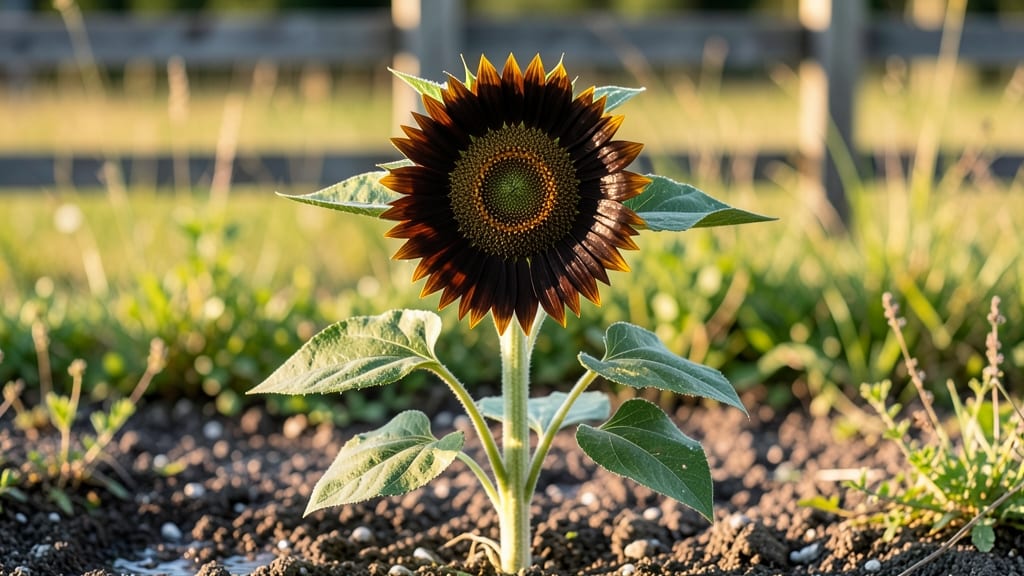
Chocolate Cherry Sunflowers grow between 2 and 5 feet tall, making them a perfect mid-height choice for gardens or containers 🌻 — but their exact height depends on variety, soil, and sunlight.
If you're dreaming of sunflowers with deep chocolate hues and sweet, edible blooms, knowing their exact height is key to planning your garden layout—and avoiding overcrowded stems. These sunflowers are a favorite among gardeners, but their growth habits can surprise even seasoned plant lovers.
Most mature Chocolate Cherry Sunflowers reach 4 to 5 feet when planted in ideal conditions, but dwarf varieties stay between 2 and 3 feet. Proper spacing—about 18 inches apart—helps them thrive without competing for nutrients.
Below, I’ll break down how height varies by stage, the best ways to support them, and whether they’re right for your garden or a sunny windowsill.

Chocolate cherry sunflower height guide: what to expect at each growth stage
When planning your garden, understanding the height progression of Chocolate Cherry Sunflowers helps you create a visually stunning and functional space. These sunflowers grow from tiny seedlings into striking, edible blooms, but their exact height varies depending on variety, growing conditions, and regional climate.
Knowing these details ensures you allocate enough space while preventing overcrowding.
From the moment you plant your seeds, these sunflowers undergo dramatic height changes. A seedling may start at just 2-4 inches tall but can grow up to 5 feet or more by maturity.
The key is tracking their growth at each stage—seedling, vegetative, and flowering—to adjust your garden layout accordingly.
Environmental factors like sunlight, soil quality, and water availability play a huge role in their final height. For example, dwarf varieties might max out at 2-3 feet, while standard varieties can reach 4-5 feet. Even within the same variety, differences in USDA hardiness zones can affect growth rates and mature height.
To measure accurately, use a tall ruler or measuring tape alongside the plant at each growth stage. Record heights every 2-4 weeks to monitor progress. This method helps you predict final height and adjust spacing before the plants become too large to move.
If you're growing Chocolate Cherry Sunflowers in containers, choose dwarf varieties or use large pots (at least 12–18 inches deep) to accommodate their root systems. Container-grown sunflowers may reach 80% of their full height compared to in-ground plants due to limited space.
In cooler climates (USDA Zones 3–5), these sunflowers may grow more slowly but still reach their mature height with proper care. In warmer zones (6–10), they can bolt faster, leading to quicker height gains. Always monitor soil temperature—ideal germination occurs at 70–85°F.
For optimal spacing, plan to leave 2–3 feet between mature plants to prevent competition for nutrients and sunlight. In tight spaces, consider dwarf varieties or prune side shoots to encourage bushier growth. This approach maximizes your harvest while keeping the garden neat and manageable.
One common mistake is assuming all Chocolate Cherry Sunflowers reach the same height. While standard varieties typically hit 4–5 feet, some may grow taller in ideal conditions. Always check the seed packet for specific variety details to avoid surprises in your garden layout.
To encourage maximum height, provide full sun (6+ hours daily), well-draining soil, and regular watering. Avoid over-fertilizing with nitrogen, as this promotes leafy growth over stem elongation. A balanced 5-10-10 fertilizer applied every 4–6 weeks supports healthy height progression.
Optimal garden spacing for chocolate cherry sunflowers: preventing crowding and disease
Proper garden spacing for Chocolate Cherry Sunflowers isn't just about aesthetics—it's about maximizing their 4-5 foot potential while preventing disease spread and nutrient competition. These sunflowers grow 2-3 feet in their first year and reach full height by their second, so planning ahead is crucial.
Tight spacing can lead to powdery mildew and stunted growth, while over-spreading creates gaps in your garden layout.
Research shows that 18-24 inches between plants provides the ideal balance between air circulation and root space. This spacing works for standard varieties in USDA Zones 6-9, but adjustments are needed for cooler climates where growth slows.
For example, in Zone 5, I recommend 24-inch spacing to account for slower maturation.
| Spacing Method | Plant Height | Spacing (inches) | Outcome |
|---|---|---|---|
| Tight Spacing (12") | 3-4 ft | 12" | ❌ Crowded stems, powdery mildew risk, reduced seed production |
| Optimal Spacing (18-24") | 4-5 ft | 18-24" | ✅ Full height achieved, healthy air flow, maximum seed yield |
| Loose Spacing (36") | 4-5 ft | 36" | ⚠️ Wasted space, increased weed growth, harder to harvest |
For container gardening, use 5-gallon pots with one plant per container to prevent root binding. In raised beds, maintain 18-inch spacing in rows 24 inches apart to allow for easy movement and maintenance.
I've found that companion planting with bush beans or marigolds improves spacing efficiency by suppressing weeds naturally.
Soil preparation makes a huge difference in how well your sunflowers utilize space. Amend your soil with compost to a depth of 12 inches before planting, and ensure well-draining conditions.
In heavy clay soils, I recommend adding sand or perlite to prevent root rot, which can occur when plants are crowded and air circulation is poor.
Adjust your spacing based on your climate zone. In hot, dry regions like Zone 9, wider spacing (24 inches) helps reduce transpiration stress. Meanwhile, in cooler, wetter climates like Pacific Northwest, 18-inch spacing works well because slower growth reduces competition.
Always mulch after planting to retain moisture and suppress weeds that compete for nutrients.
Remember, proper spacing isn't just about the numbers—it's about creating an ecosystem where your Chocolate Cherry Sunflowers thrive. With the right distance, you'll enjoy taller stems, healthier blooms, and easier harvesting—all while keeping diseases at bay. 🌻