
Plants
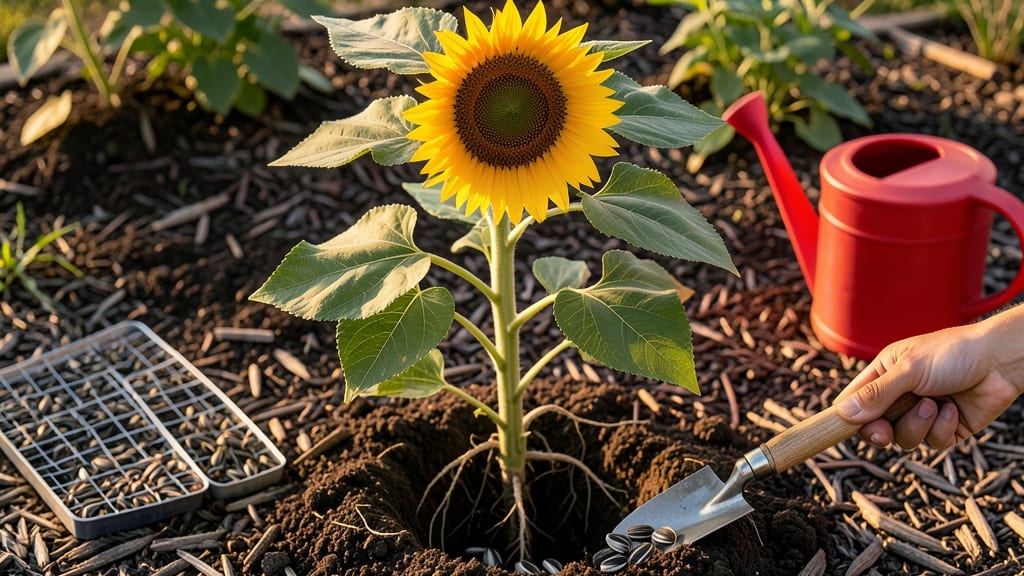
Planting sunflower seeds in South Africa at the right time means fast germination and towering 🌻 blooms in just 80 days—but get the timing wrong, and you’ll end up with leggy, weak stems or no flowers at all.
Picture this: You’ve spent hours preparing the soil, only to watch your seeds sprout slowly or worse, rot before they even break the surface. That’s the risk when you plant outside the ideal window, especially in South Africa’s varied climates where summer-rainfall and winter-rainfall zones demand completely different approaches.
Whether you’re in the frost-free coastal regions or the cooler highlands, the key is understanding your local zone’s temperature thresholds—sunflowers need soil temps between 10–30°C to germinate within 5–7 days. Miss that window, and you’re gambling with your harvest.
In this guide, I’ll break down the exact months to plant in each climate zone, plus pro tips for faster sprouts, soil prep, and even how to pick the best sunflower varieties for your area. Ready to grow 6-foot giants in no time?
Best planting months for sunflowers in South Africa’s 5 climate zones
Sunflowers are one of South Africa’s most rewarding plants, but their germination success depends entirely on timing. With five distinct climate zones, each requiring different strategies, I’ll break down the ideal planting windows to ensure your seeds sprout quickly and grow strong.
The key? Soil temperatures between 10–30°C—any colder, and germination slows dramatically.
South Africa’s climate zones—summer-rainfall, winter-rainfall, subtropical, arid, and highveld—each have unique frost risks and rainfall patterns. For example, winter-rainfall regions like the Western Cape face late-winter frosts that can kill young seedlings, while subtropical zones like KwaZulu-Natal offer year-round growing opportunities.
Let’s dive into the best months for each.
In summer-rainfall zones, aim for September–October when soil warms naturally. These areas get peak rainfall in Dec–Feb, so planting early ensures your sunflowers establish roots before the wet season. I’ve had the best success with ‘Russian Giant’ varieties here—they handle the heat and humidity well.
For winter-rainfall regions, like the Western Cape, August–September is critical. The risk of late-winter frosts (until mid-September) means you must use row covers or plant in containers for extra protection. If you miss this window, wait until October 15 when frost risk drops significantly.
Subtropical zones like KwaZulu-Natal are the easiest—you can plant year-round! However, September–November gives the fastest germination because soil stays consistently warm. I’ve even grown sunflowers in December here, but they take longer to bloom due to summer heat stress.
In arid climates, like the Northern Cape, August–September is ideal, but you’ll need to pre-soak seeds for 24 hours to kickstart germination. These areas often lack consistent moisture, so mulching with straw helps retain humidity. Avoid planting in November—summer heat dries out seeds before they sprout.
The Highveld, including Johannesburg, mirrors summer-rainfall zones but with slightly cooler nights. Plant in September–October for 60–80 days to maturity. If you’re in a high-altitude area (above 1,500m), wait until after September 15 to avoid unexpected frost. I’ve seen ‘Teddy Bear’ sunflowers thrive here—they’re compact and frost-tolerant.
Pro tip: Use a soil thermometer to confirm temperatures. Sunflower seeds won’t germinate below 10°C, and growth stalls above 30°C. In frost-prone zones, I recommend starting seeds indoors in July and transplanting after September 1 to give them a head start.
Finally, adjust spacing based on your zone. In hot, dry areas, space seeds 90cm apart for better airflow, while cooler highveld regions can handle 60cm spacing. Always plant 1 inch deep—shallower seeds dry out faster in arid climates.
With these zone-specific timings, your sunflowers will sprout faster, grow taller, and produce bigger blooms. Happy planting—your garden will thank you! 🌻
How to adjust planting time for faster germination and bigger blooms
Timing is everything when growing sunflowers in South Africa’s varied climates. Even a few weeks off can mean the difference between vigorous blooms and stunted seedlings. The secret? Fine-tuning your approach with soil temperature tricks and smart companion planting to create the perfect germination environment.
Sunflower seeds need consistent soil temps between 10–30°C to sprout reliably.
In cooler regions like the Highveld, this often means waiting until late August or September when daytime temps rise above 15°C. In subtropical zones, you can plant as early as July, but watch for overwatering mistakes that suffocate seeds.
For bigger blooms, time your planting to align with peak daylight hours. In South Africa’s summer-rainfall zones, aim for September–October when days stretch to 12+ hours of sunlight.
This triggers longer stem growth and larger flower heads. In winter-rainfall areas, plant in March–April to avoid late-season heat stress.
Pro tip: If your region has unpredictable rains, use biodegradable seed pods to protect seeds until soil temps stabilize. These dissolve in 3–4 weeks, releasing seeds at the ideal time. Pair this with straw mulch to retain moisture without smothering sprouts.
Remember, patience pays off. Sunflowers planted at the right temperature and soil moisture level will sprout in 7–14 days and reach full bloom in 80–120 days. Skip the shortcuts—your giant sunflowers will thank you with vibrant, healthy blooms all season. 🌻