Flowers
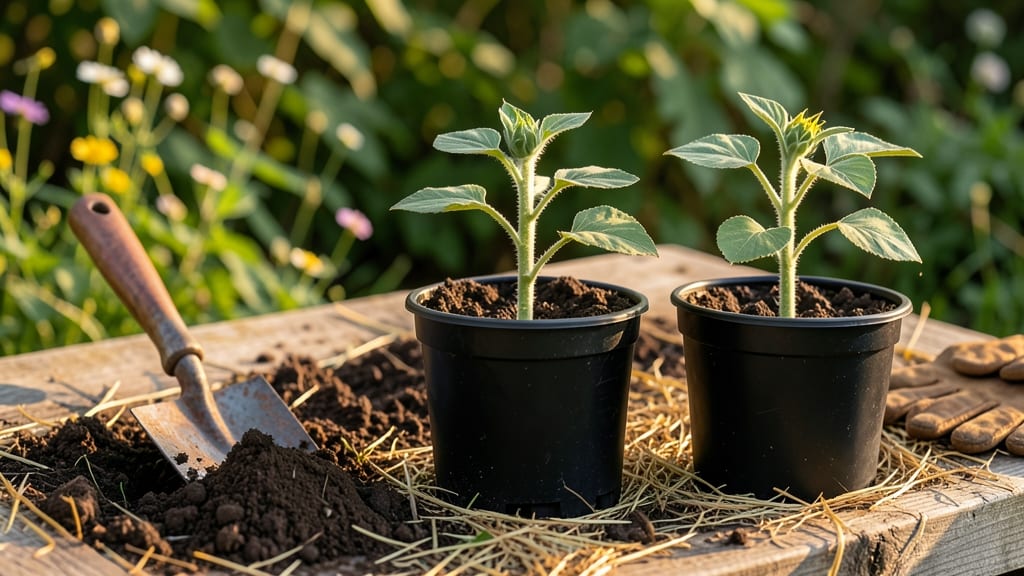
You can plant sunflowers in July—they’ll still thrive, but with a few key adjustments to maximize their height and bloom time.
Picture this: your garden in late summer, towering 🌻 sunflowers swaying in the breeze, even though you planted them in July. It’s possible, but only if you choose the right varieties, prep the soil correctly, and keep an eye on watering.
Most sunflowers thrive when planted in spring, but July can work—especially in warmer climates like USDA Zone 6a. The trick? Opt for fast-maturing varieties and give them extra care to prevent weak stems or delayed blooms.
Below, I’ll walk you through the best late-season sunflower varieties, soil prep tips, and watering schedules to ensure your July planting turns into a bold, beautiful harvest by fall.
Why July sunflower planting works (and when it doesn’t)
Sunflowers thrive on summer’s warmth, but their traditional spring planting window can leave gardeners wondering: Can I plant sunflowers in July? The answer is yes—but with caveats. Sunflowers are heat-tolerant annuals that can germinate and grow rapidly when soil temperatures stay above 50°F (10°C).
July planting works best in USDA zones 7-10, where frost risks are minimal, but northern zones (3-6) require fast-maturing varieties to avoid early frost damage.
July planting leverages long daylight hours and warm soil for quick germination (often within 7-10 days). However, late-season sunflowers may produce shorter stems and smaller blooms due to reduced daylight in fall. The key is selecting disease-resistant varieties and providing consistent moisture to compensate for summer heat stress.
Here’s the critical trade-off: July planting offers bold summer color and extended harvest windows (if seeds mature before frost), but risks include drought stress, pest pressure, and bolting (premature flowering). In zones 3-6, July planting is only viable for 45-60-day varieties with early frost protection.
In USDA zones 3-5, July planting is a gamble unless you’re growing dwarf varieties like 'Teddy Bear' (2-3 feet tall) or 'Autumn Beauty' (4-5 feet). These short-season performers can mature before first frost dates in late September or October.
For example, in Zone 4 (average first frost: October 15), planting by July 1 gives you a 105-day growing window—just enough for 'Autumn Beauty' to bloom.
Zones 6-7 offer more flexibility with medium-height varieties like 'Moulin Rouge' (5-6 feet) or 'Russian Giant' (10-12 feet). These thrive in July’s heat but require staking and regular watering to prevent lodging (falling over).
In Zone 7, where frost arrives around November 1, you have until mid-August to plant for a 120-day maturity window.
Southern zones (8-10) can push the envelope with tall, heat-resistant varieties like 'ProCut' (8 feet) or 'Sunspot' (4-5 feet). These handle 90°F+ temperatures and low rainfall better than northern varieties.
However, bolting (premature flowering) becomes a risk if soil stays too dry. Always soak seeds before planting in these regions to jumpstart germination.
Regardless of zone, soil preparation is critical. Sunflowers hate compacted or waterlogged soil, so amend your garden with compost or sand for drainage. Test your soil’s pH (6.0-7.5)—sunflowers prefer slightly acidic to neutral conditions. In container gardens, use fast-draining mixes with 20% perlite to prevent root rot.
July planting also shifts the harvest timeline. Spring-planted sunflowers typically bloom in late summer (August-September), while July plantings may not flower until October-November. This delay can be an advantage: fall-blooming sunflowers attract late-season pollinators like bees and butterflies, extending your garden’s ecological benefits.
Watch for three key challenges with July plantings: powdery mildew (from high humidity), bird damage (to seed heads), and weak stems (from rapid growth). To mitigate these, space plants 18-24 inches apart, apply fungicide preventatively, and use bird netting once buds form.
For tall varieties, install stakes at planting to support their weight.
If you’re in a cool-climate zone (3-6) and miss the July window, consider fall planting in late August. Biennial varieties like 'Russian Mammoth' can overwinter in mild zones (7-10) and flower the following spring, but annuals planted in fall rarely survive frost.
For most gardeners, July is the last chance for summer sunflowers—so choose
Best sunflower varieties for July planting: fast-growing and heat-resistant picks
July planting still gives you a shot at stunning sunflowers—if you choose the right fast-growing varieties. The key is selecting heat-tolerant, disease-resistant cultivars that thrive in shorter growing seasons. These varieties promise bold blooms even when planted late, with some reaching maturity in just 50-60 days.
Whether you want dwarf sunflowers for containers or giant varieties for dramatic impact, these picks deliver.
For container gardening or small spaces, dwarf varieties like 'Teddy Bear' or 'Moulin Rouge' are perfect. They top out at 2-4 feet but still produce vibrant blooms in 50-60 days.
Meanwhile, giant sunflowers like 'Russian Giant' or 'Autumn Beauty' can reach 10-16 feet tall when planted early July, though they may need extra care to mature before frost. The right choice depends on your growing zone and available space.
Here’s a quick comparison of the top July-planting sunflower varieties, ranked by speed, heat tolerance, and bloom guarantees—so you can pick the best fit for your garden.
If you’re in USDA zones 7-10, you can push your luck with 'Russian Giant'—just plant it by mid-July and provide extra water to ensure it matures before frost.
For cooler zones (3-6), stick to dwarf or semi-dwarf varieties like 'Teddy Bear' or 'Sunspot' to guarantee blooms before winter sets in. These varieties also resist common July pests like aphids and powdery mildew, making them low-maintenance stars.
Don’t overlook bicolor varieties like 'Autumn Beauty', which produce stunning yellow-to-red blooms and thrive in partial shade if needed. Their disease resistance is a game-changer for late-season planting, where fungal risks rise.
For container gardens, 'Teddy Bear' is my go-to—it’s compact, cheerful, and blooms in under 2 months, even in July heat.
Pro tip: Pair your sunflowers with companion plants like marigolds (to deter pests) or basil (to improve growth). This combo keeps your late-July garden vibrant and pest-free while maximizing your sunflower’s potential.
With the right variety, your July-planted sunflowers could still be blooming by September—just in time for fall color!