
Flowers
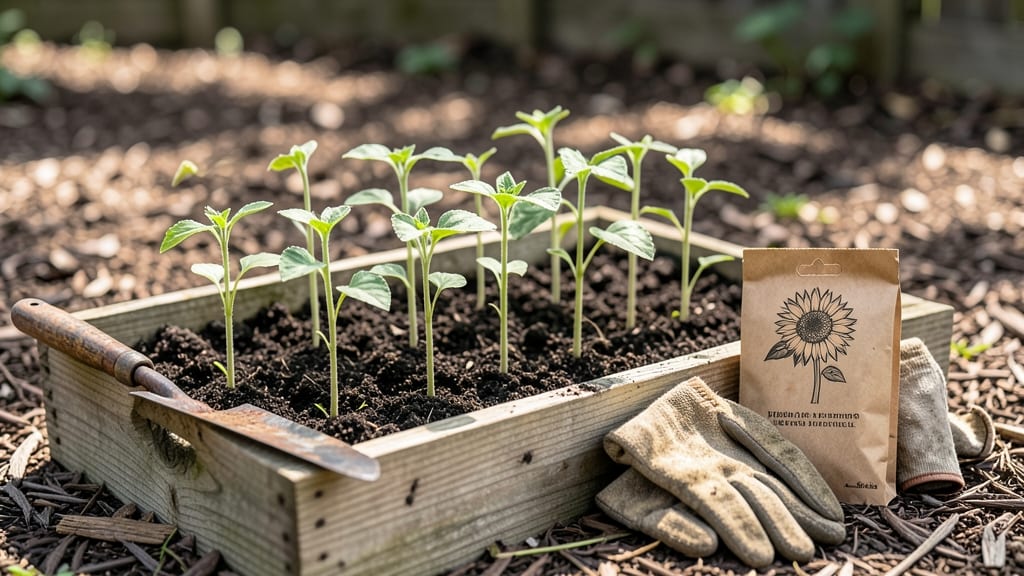
Planting sunflowers in Alabama after your last frost—typically by late March—sets you up for towering blooms by summer, but timing is the key to avoiding frost damage or stunted growth.
Picture this: you’ve waited all winter for your garden to wake up, and now you’re staring at a 🌻 seed packet, wondering if you’ll get those dreamy 12-foot giants or just a sad, leggy plant.
Alabama’s USDA Zones 7b-8a give you two chances—spring or early summer—but one wrong move, and you’re left with wilting petals or seeds that never mature.
Here’s the deal: sunflowers thrive in Alabama’s heat, but they need the right start. Too early, and a late frost will nip them in the bud. Too late, and the summer sun can stress them before they even bloom.
I’ll break down the exact planting window, soil prep tricks, and how to pick varieties that handle Alabama’s humidity and heat like a pro.
By the end, you’ll know not just when to plant, but how to give your sunflowers the fastest germination and biggest blooms—no guesswork, just Alabama-grown success.
Optimal sunflower planting dates in Alabama by USDA Zone 7b-8a
Alabama’s USDA Zones 7b-8a offer perfect conditions for sunflowers, but precise timing ensures fast germination and taller blooms. In Zone 7b (northern Alabama), the last frost typically occurs around March 15, while Zone 8a (southern Alabama) sees frost-free conditions by March 1.
Planting too early risks frost damage, while late planting may lead to heat stress before flowering.
Sunflowers thrive when soil temperatures reach 55°F or higher, which usually happens by mid-April in Zone 7b and late March in Zone 8a. Direct-sowing outdoors is ideal, but starting seeds indoors 2-3 weeks before the last frost can give you a head start for earlier blooms.
Containers also work well, with slightly adjusted timelines for heat retention.
Here’s your Alabama sunflower planting calendar, tailored for both in-ground and container growing:
| Zone & Region | Last Frost Date | Optimal Planting Window | Soil Temp for Germination | Germination Time | Notes |
|---|---|---|---|---|---|
| Zone 7b (North AL) (e.g., Huntsville, Decatur) |
March 15 | April 15–May 10 | 55°F+ | 7–14 days | Start indoors March 1 for earlier blooms |
| Zone 8a (South AL) (e.g., Birmingham, Montgomery) |
March 1 | March 20–April 15 | 55°F+ | 5–10 days | Direct-sow after last frost; faster germination |
| Containers (Both Zones) | N/A (Heat-sensitive) | April 15–May 10 | 60°F+ (warmer soil) | 10–14 days | Use black pots to absorb heat; water daily |
| Fall Planting (Both Zones) | First frost: Nov 15 | August 1–September 15 | 60°F+ | 7–10 days | Choose fast varieties (e.g., 'Teddy Bear'); harvest before frost |
For fastest germination, plant seeds 1 inch deep in well-drained soil with a pH of 6.0–7.5. In Alabama’s heat, mulch around plants to retain moisture and prevent soil crusting, which can inhibit sprouting.
Zone 8a gardeners can even enjoy two harvests: one in spring and another in fall.
If you’re growing sunflowers for seeds, aim to plant 60–90 days before the first frost. For ornamental blooms, taller varieties like 'Moulin Rouge' (12–14 ft) need more space and should be planted early to avoid summer heat stress.
Dwarf varieties like 'Teddy Bear' (2–3 ft) are ideal for containers and small gardens.
Alabama’s summer heat can accelerate growth, so monitor soil moisture closely. Water deeply once a week during dry spells, focusing on the root zone to encourage deep root development. Avoid overhead watering to prevent leaf diseases like powdery mildew, which thrives in Alabama’s humid summers.
Pro tip: Use a soil thermometer to confirm 55°F+ soil temps before planting. If temps are cooler, wait a few days or use black plastic mulch to warm the soil faster. This trick is especially useful in Zone 7b, where springs can be unpredictable.
For container growing, choose pots at least 12 inches deep and use a
How to time sunflower planting for maximum germination speed in Alabama’s heat
Alabama’s fast-warming soil can be a double-edged sword for sunflower germination. While the long growing season is ideal, soil temperatures above 80°F can slow seed sprouting or even cause rot. The key is planting when soil temps hover between 60-70°F—warm enough for quick germination but not scorching.
For Zone 7b-8a, this typically means waiting until mid-April to early May for direct sowing, or starting seeds indoors in late March for a head start.
Sunflowers are fast growers, but their germination speed depends heavily on moisture consistency and soil preparation. In Alabama’s variable spring weather, a 3-5 day germination window is typical, but pre-soaking seeds can cut that time in half.
Pair this with companion planting to regulate soil temperature and moisture, and you’ll see those first green shoots in record time.
- 🌡️ Wait for soil temps of 60-70°F (use a soil thermometer) to avoid slow germination in cold soil.
- 💧 Pre-soak seeds for 4-6 hours in lukewarm water to trigger faster sprouting (especially in dry Alabama springs).
- ☀️ Plant in full sun with 6+ hours of direct light—Alabama’s intense summer sun speeds growth but requires consistent watering.
- 🌿 Use companion plants like bush beans or marigolds to shade soil and retain moisture during peak heat (June-August).
- 🪴 Choose raised beds in Zone 7b to warm soil faster than in-ground planting—critical for northern Alabama’s cooler springs.
- 🌱 Direct-sow after last frost (typically mid-April) for fastest germination—transplants struggle with Alabama’s heat stress.
- 💧 Mulch with straw to lock in moisture and regulate soil temp, preventing seed rot in sudden rain-heat cycles.
Alabama’s summer heat can dry out seedbeds faster than you think. To combat this, I always amend soil with compost before planting—this improves water retention and aeration, which are critical for sunflower root development.
Aim for a loamy soil mix with a pH of 6.0-7.0, as sunflowers thrive in neutral to slightly acidic soil. If your soil is clay-heavy (common in northern Alabama), mix in sand or perlite to improve drainage.
For extended germination windows, consider succession planting in early summer (June-July). This works especially well for dwarf varieties, which mature faster and can handle Alabama’s late-season heat.
Plant a second batch in late July for fall blooms—just be sure to choose heat-tolerant varieties like 'Autumn Beauty' or 'Moulin Rouge'.
One common mistake I see in Alabama gardens is overwatering after germination. While sunflowers need consistent moisture, soggy soil can suffocate seeds and seedlings.
Water deeply but infrequently—about 1 inch per week—and always water at soil level (not overhead) to prevent fungal diseases like damping-off, which thrives in Alabama’s humid summers.
Finally, don’t overlook the psychological trick of planting depth. Sunflower seeds should only be 1 inch deep—any deeper, and they’ll struggle to push through compacted Alabama soil. Press seeds gently into the soil, cover lightly, and keep the bed moist until sprouts appear.
With these science-backed strategies, you’ll see fast, uniform germination even in Alabama’s unpredictable spring weather.