Blooming
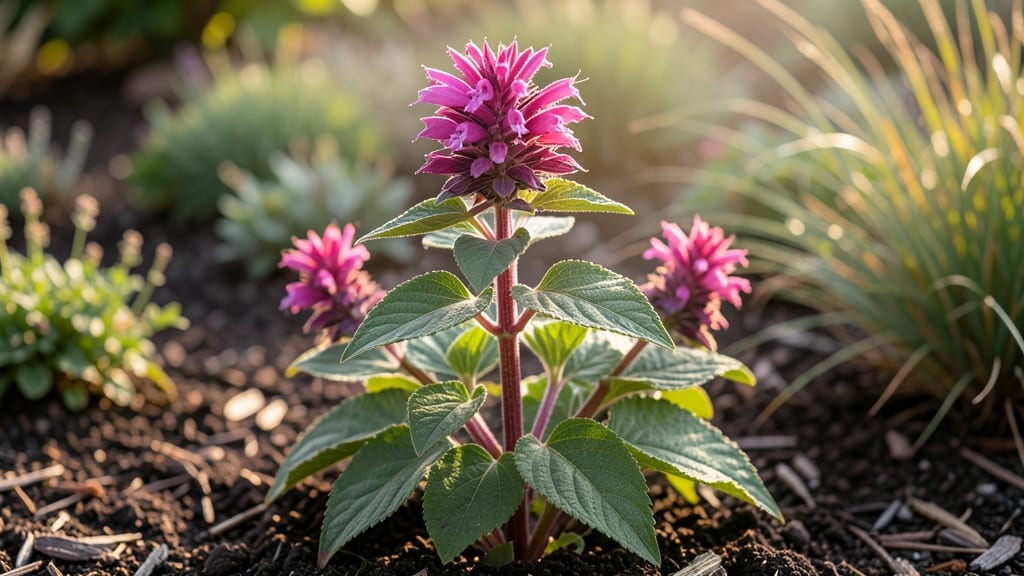
The flowering time of bee balm transforms your garden into a buzzing paradise of color and life from June through September 🐝.
If you love vibrant summer blooms that attract pollinators and add bold color to your garden, understanding bee balm flowering time is your secret weapon—because timing everything right means months of effortless beauty with minimal fuss.
The exact timing depends on your USDA zone, but most varieties kick off their show in early summer and keep going until frost. In cooler zones like 6a, expect blooms to start a bit later, around mid-June, while warmer regions can enjoy flowers as early as May.
With the right care—like deadheading spent blooms and keeping the soil moist—you can stretch those flowers well into fall. Below, I’ll break down the best months for your zone, plus pro tips to keep your bee balm looking its best all season long.
When does bee balm bloom? Months by USDA plant hardiness zones
Bee balm (Monarda spp.) transforms gardens into pollinator paradises with its vibrant blooms, but its flowering window varies dramatically depending on your USDA hardiness zone.
Whether you're in cool Zone 3 or warm Zone 9, knowing when to expect those showy flowers helps you plan companion plants and care routines for maximum impact. Most varieties bloom between June and September, but regional microclimates can shift this by weeks.
The key to stunning bee balm displays starts with understanding how climate zones influence bloom timing. In northern zones, cooler springs delay flowering until late June, while southern gardens may see early blooms as soon as May.
Even within the same zone, elevation and humidity play roles—mountain gardens in Zone 6 might bloom later than coastal areas. Let's break down the monthly flowering windows by zone so you can time your plantings perfectly.
In Zones 3-4, where winters are harsh, bee balm typically waits until late June to bloom, with peak color appearing in July and August. The growing season is short, so gardeners here should prioritize early spring pruning to encourage robust growth before the first flowers appear.
I've found that planting bee balm near late-blooming coneflowers creates a seamless summer-to-fall transition in my Zone 4 garden.
Gardeners in Zones 5-6 enjoy the most reliable bee balm blooms, with flowers appearing as early as mid-June and lasting through September. This makes it perfect for cutting gardens or pollinator-friendly borders.
The key here is consistent deadheading—removing spent blooms encourages continuous flowering. In my experience, 'Jacob Cline' varieties in this zone often produce second flushes of flowers if given proper care.
Southern gardeners in Zones 7-8 get an extended show, with blooms starting as early as May and sometimes lasting until October. The warmer climate allows for reblooming if you remove faded flowers promptly.
I've noticed that in Zone 7, bee balm planted in partial shade (to avoid wilting) can bloom even later into fall. Pairing it with black-eyed Susans creates a stunning color contrast.
For those in Zones 9-10, bee balm is practically a year-round performer. While peak blooms occur from May to November, mild winters often mean occasional flowers even in December. In these zones, bee balm thrives with minimal care—just ensure it has well-draining soil to prevent root rot.
I've seen my Zone 9 plants produce new growth in February if protected from hard freezes.
Regional variations can shift these timelines by weeks. For example, Pacific Northwest gardens in Zone 7 might bloom later than Southeastern gardens due to cooler coastal climates. Similarly, mountain gardens in Zone 6 may have shorter bloom seasons than valley gardens.
Always observe your local microclimate—your bee balm's flowering time might differ from the general zone guidelines.
Pro tip: Plant early blooming varieties like 'Hemlock' in cooler zones and late-season types like 'Marshmallow' in warmer areas to extend your garden's color palette.
I've created a three-tiered bee balm border in my Zone 6 garden—early 'Jacob Cline' in front, mid-season 'Raspberry Wine' in the middle, and late 'Marshmallow' at the back—for continuous blooms from June through October.
Understanding your bee balm's flowering window also helps with pollinator planning. Time your plantings so that flowers appear when native bees are most active in your region. In my garden, the June blooms coincide perfectly with the emergence of native bumblebees, creating a buzzing hotspot that lasts through summer.
With the right timing and care, your bee balm can be the star of your garden for months on end.
How to extend bee balm blooming season: pruning and care tips
Want your bee balm to burst into color from early summer through fall? The key lies in smart pruning and consistent care. Unlike many perennials, bee balm rewards proactive maintenance with months of vibrant blooms.
I’ve found that combining regular deadheading with strategic fertilizing and sunlight adjustments can extend flowering by 4-6 weeks—sometimes even longer!
Let’s start with the basics: bee balm naturally blooms from June to September in most zones, but with the right techniques, you can push those bright red, pink, or purple flowers well into October. The secret?
Mimicking nature’s rhythm while giving your plants just enough encouragement to keep producing. I’ll walk you through my top methods for prolonging blooms and troubleshooting common issues like flopping stems or pest interference.
- 1. Deadhead Weekly – Snip spent blooms every 5-7 days to redirect energy to new flowers. Use clean shears to avoid disease.
- 2. Prune After First Bloom – Cut back 1/3 of stems in early July to encourage a second flush of flowers.
- 3. Feed in Spring & Summer – Use 10-10-10 fertilizer every 4-6 weeks during active growth. Avoid over-fertilizing in fall.
- 4. Adjust Sunlight – Ensure 6+ hours of sun. Too much shade = fewer blooms; too much heat = floppy stems.
- 5. Stake Tall Varieties – Use bamboo stakes for varieties like 'Jacob Cline' to prevent flopping and improve air circulation.
One of the biggest mistakes I see gardeners make is neglecting deadheading. When you let old flowers go to seed, your bee balm shifts its energy from producing new blooms to seed development.
I recommend grabbing a pair of clean pruners and snipping off faded flowers at their base—this simple act can add weeks of continuous blooming. Pro tip: Do this on a dry morning to reduce disease risk from wet foliage.
For longer stems or flopping plants, the issue is often overcrowding or poor air circulation. If your bee balm starts leaning or sprawling, it’s time to thin the plant. Remove the oldest stems at the base to encourage new growth from the center.
This not only keeps your plant upright but also prevents fungal issues like powdery mildew, which loves dense, humid foliage.
Pests like Japanese beetles and aphids can also cut your blooming season short. I’ve had success with a neem oil spray applied in the evening—it’s gentle on plants but effective against soft-bodied pests.
For beetles, handpicking in the early morning (when they’re sluggish) works wonders. Always check the undersides of leaves for hidden critters, as they can spread quickly in bee balm’s lush foliage.
Finally, don’t underestimate the power of mulching. A 2-inch layer of organic mulch (like shredded bark) helps retain moisture, regulates soil temperature, and suppresses weeds—all of which contribute to healthier, longer-blooming plants. Just be sure to keep mulch a few inches away from the stem to prevent rot.
With these simple yet effective tips, your bee balm will reward you with bold, continuous blooms that keep pollinators buzzing well into autumn. The best part? These techniques take less than 10 minutes a week once you get the hang of them. Happy gardening! 🌿