
Plants
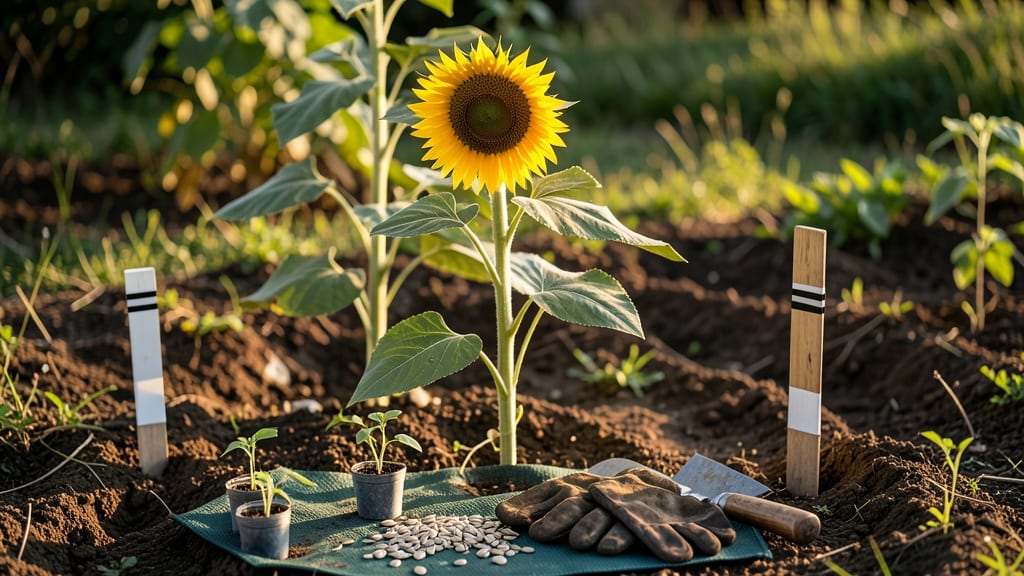
To plant sunflower seeds in Michigan, aim for late April to early June after the last frost—when soil temperatures hit 50°F and stay there.
Michigan’s short growing season can make or break your sunflower harvest—plant too early and risk frost damage, too late and miss peak blooms. Timing is everything, especially in USDA Zones 5b-6a where temperatures swing wildly.
Sunflowers 🌻 thrive in Michigan’s full sun, but their success hinges on getting them in the ground at the right moment. Skip the guesswork with exact frost-free planting windows tailored to your region, plus pro tips to beat Michigan’s unpredictable spring.
Here’s your step-by-step guide: when to plant, how deep to sow, and the one trick that doubles your chances of towering sunflowers by harvest season.
Michigan sunflower planting timeline: exact dates by USDA zone 5b-6a
Michigan’s sunflowers thrive when planted at the right time—too early and frost will kill tender seedlings, too late and you’ll miss summer blooms. In USDA Zones 5b-6a, timing varies by 1-2 weeks between northern and southern regions.
Let’s break down the exact frost-free windows for your location, including soil temperature thresholds and regional adjustments.
Sunflowers are annual plants in Michigan, meaning they complete their life cycle in one season. Most varieties need 60-90 days from seed to harvest, so planting too late can leave them vulnerable to early fall frosts.
Northern Michigan (Zone 5b) has a shorter growing season than Southern Michigan (Zone 6a), requiring earlier planting dates.
Here’s the critical planting window for Michigan gardeners: late April to early June after the last frost date. However, soil temperature is just as important as air temperature—sunflower seeds need soil temps above 50°F (10°C) to germinate reliably. Use a soil thermometer to confirm readiness before planting.
For direct sowing (planting seeds directly in the ground), aim for 2-3 weeks after your region’s last frost date. This gives the soil time to warm up and reduces the risk of seed rot.
In Northern Michigan, wait until late May to ensure soil temperatures stay above 55°F (13°C)—cold soil slows germination and can stunt early growth.
If you prefer transplanting sunflower seedlings, start them indoors 4-6 weeks before your last frost date. Use biodegradable pots to avoid disturbing roots when moving them outdoors. Harden off seedlings by placing them outside for 2-3 hours daily in the week before transplanting to prevent shock.
Southern Michigan gardeners have more flexibility—they can start seeds indoors as early as mid-March for a head start. However, avoid transplanting outdoors until soil temperatures are consistently above 50°F (10°C). Early transplanting can lead to leggy seedlings that struggle to support their own weight once mature.
Fall planting is possible but risky in Michigan. For late varieties, sow seeds in late July or early August when soil temperatures remain above 60°F (16°C).
These sunflowers may not reach full maturity but can still produce small harvestable seeds. Monitor weather forecasts closely and harvest seeds before the first
5 Critical factors that determine your sunflower planting success in Michigan
Timing your sunflower planting isn't just about dates—it's about creating the perfect conditions for these sun-loving giants to thrive in Michigan's unpredictable climate.
While last frost dates are important, soil temperature, moisture levels, and sunlight exposure play equally critical roles in determining whether your sunflowers will reach their full potential or struggle from day one.
I've planted sunflowers in Michigan for years, and I can tell you that even the hardiest varieties need these five factors aligned for success. Whether you're growing towering giants for cut flowers or compact dwarfs for containers, these variables will make or break your harvest.
Let's break down what you absolutely must check before sticking that seed in the ground.
- 1 Soil Temperature: Wait until soil reaches 55°F minimum—cold soil delays germination. Use a soil thermometer to check 2-3 inches deep in the morning.
- 2 Moisture Consistency: Keep soil evenly moist during germination (first 7-10 days). Let the top inch dry between waterings once established, but never let it become bone-dry.
- 3 Sunlight Exposure: Choose a spot with 6+ hours of direct sun. Southern Michigan gets more sunlight, but even Northern areas can work if you pick the sunniest location available.
- 4 Variety Selection: Giant varieties (10+ ft) need staking and more space, while dwarf varieties (2-4 ft) work for containers. Choose based on your space and intended use.
- 5 Wind Protection: Michigan's winds can snap tall stems. Plant near fences or use bamboo stakes for varieties over 6 feet tall to prevent damage.
Before you plant, run through this quick diagnostic checklist to ensure your sunflowers have the best possible start. First, verify your soil temperature—I can't stress this enough. Many gardeners plant too early because they're eager, but cold soil will leave your seeds sitting there for weeks without sprouting.
A simple soil thermometer (around $10) will save you heartache.
Next, assess your watering routine. Sunflowers need consistent moisture during germination, but they're surprisingly drought-tolerant once established. The key is that first critical week—keep the soil damp like a wrung-out sponge.
After that, you can ease up slightly, but don't let the soil dry out completely during their growth phase.
For sunlight exposure, observe your garden throughout the day. Michigan's shorter summer days mean every minute of sunlight counts. If your spot gets afternoon shade, consider growing dwarf varieties instead—they'll still thrive with slightly less sun.
And remember, sunflowers follow the sun, so they'll lean dramatically if planted in partial shade.
Finally, match your sunflower variety to your growing conditions. The 'Mammoth' variety can reach 14 feet tall and needs plenty of space, while 'Teddy Bear' dwarf sunflowers stay under 4 feet and work beautifully in containers.
If you're in Northern Michigan with shorter growing seasons, opt for early-maturing varieties like 'Autumn Beauty' to ensure you get flowers before frost.
With these five factors in check, you're setting your sunflowers up for success that will reward you with vibrant blooms and maybe even some seeds for next year. The key is preparation—don't wait until the last minute to assess your conditions.
Give yourself time to adjust soil, choose the right spot, and pick the perfect variety for your Michigan garden. 🌻