
Plants
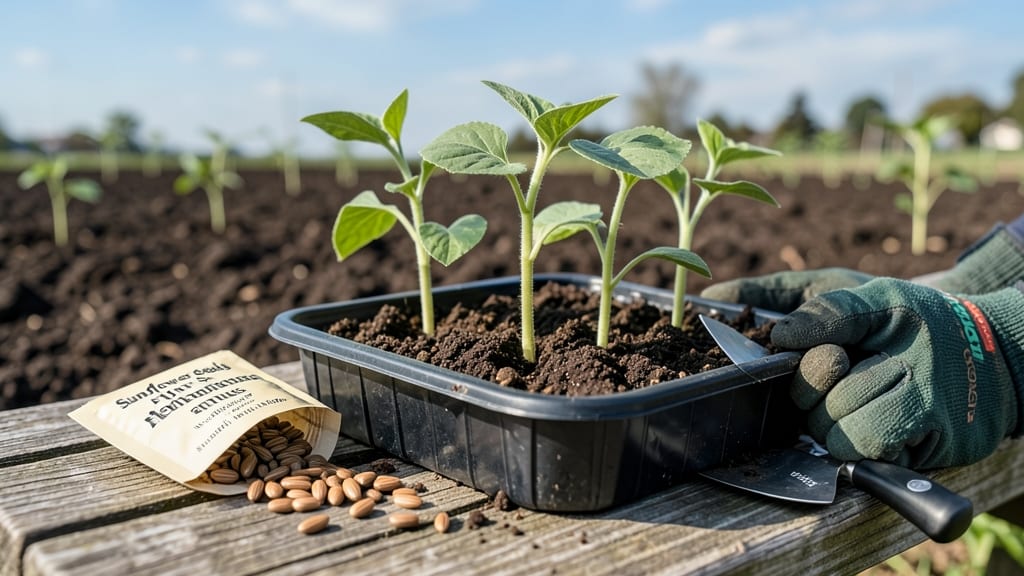
Planting sunflower seeds in Ohio after the last frost date — typically mid-April — ensures your 🌻 thrives with vibrant blooms and strong stems.
Ohio’s unpredictable spring weather can make sunflower planting tricky—plant too early and risk frost damage, too late and miss peak blooming season. Timing is everything for vibrant, healthy sunflowers that thrive in Ohio’s diverse microclimates.
Whether you’re in the colder 6a zones of northeast Ohio or the milder 6b areas of southern Ohio, the right window balances soil warmth and frost risk. I’ll break down the best months, soil temperature cues, and how to adjust for early or late planting.
You’ll also discover how to stretch your growing season with simple tricks, so even late starters can enjoy sunflowers from late July to October. Let’s get those seeds in the ground the right way!
Ohio sunflower planting calendar by hardiness zones (5a-6b)
Ohio’s USDA hardiness zones 5a-6b experience last frost dates between mid-April (Zone 5a) and early April (Zone 6b), creating a 6-week window for optimal sunflower planting.
Timing your seeds correctly ensures robust growth before summer heat arrives—miss this window, and you risk stunted plants or late blooms that won’t thrive before frost.
Sunflowers thrive when soil temperatures reach at least 55°F, which typically occurs 2-3 weeks after Ohio’s last frost. For direct sowing, this means waiting until late April to early May in most of Ohio.
If you’re using starter plants, transplant them 2-3 weeks before your region’s last frost date to give roots time to establish before heat stress sets in.
Here’s your zone-specific planting guide with frost dates, ideal windows, and soil temperature benchmarks to maximize your sunflower’s potential in Ohio’s climate.
In Zone 5a, where frosts linger longer, prioritize late April to early May for direct sowing—this aligns with soil warming and reduces frost risk.
For Zone 6b, you can push planting to early March if you’re using row covers or a greenhouse, but avoid planting before soil reaches 50°F to prevent seed rot.
For succession planting, sow additional seeds every 2-3 weeks through mid-June to extend your harvest window. This works especially well for dwarf varieties, which mature faster (50-60 days) than giant sunflowers (90-120 days).
In Zone 6b, you can even squeeze in a late July planting for fall blooms, though they’ll need protection from early frosts.
If you’re transplanting starter plants, harden them off for 7-10 days before moving outdoors. In Zone 5a, transplant early April to give roots time to establish before summer heat.
In Zone 6b, you can start as early as late February under grow lights, but delay outdoor planting until soil warms to 60°F+ for best results.
Ohio’s summer heat (often exceeding 90°F) can stress sunflowers, so aim to have plants 6 inches tall before peak temperatures arrive. Use mulch to retain moisture and drip irrigation to deliver water directly to roots, reducing stress during dry spells.
Monitor local weather forecasts
Best sunflower varieties for Ohio’s climate and their planting times
Ohio’s humid summers and variable springs demand sunflower varieties that balance heat tolerance with early-season vigor. Dwarf varieties like 'Teddy Bear' (1-3 ft) thrive in containers or small gardens, while giants like 'Russian Giant' (12-14 ft) need deep soil and staking for Ohio’s heavy clay.
Mid-height options like 'Moulin Rouge' (5-6 ft) offer compact beauty without sacrificing sunlight exposure.
Timing varies by type: Early-season varieties ('Autumn Beauty') should go in late April to beat Ohio’s late frosts, while late-bloomers ('Mammoth') can wait until mid-June for extended fall color.
Ohio’s USDA zones 5a-6b mean soil temps must reach 55°F+ before planting—use soil thermometers to avoid cold damage.
For Ohio’s southern regions (zone 6b), extend planting to early July for late-season varieties like 'ProCut', which resists powdery mildew in humid conditions. In northern Ohio (zone 5a), focus on early-maturing types like 'Pacino' (6-8 ft) to beat frost before October 15.
Pro tip: Succession plant every 2 weeks from April–June to ensure continuous blooms. Use black plastic mulch to warm cool soils in early spring, giving giant varieties a head start. Always water deeply at the base to prevent fungal diseases in Ohio’s sticky summer air.
My top pick for Ohio gardens? 'Moulin Rouge'—it’s disease-resistant, pollinator-friendly, and adapts to Ohio’s heat while still fitting in small spaces. For bold statements, pair 'Russian Giant' with trellises near patio edges to avoid wind damage.
Experiment with unusual colors like 'Chocolate Cherry' (deep red) or 'Lemon