Plants
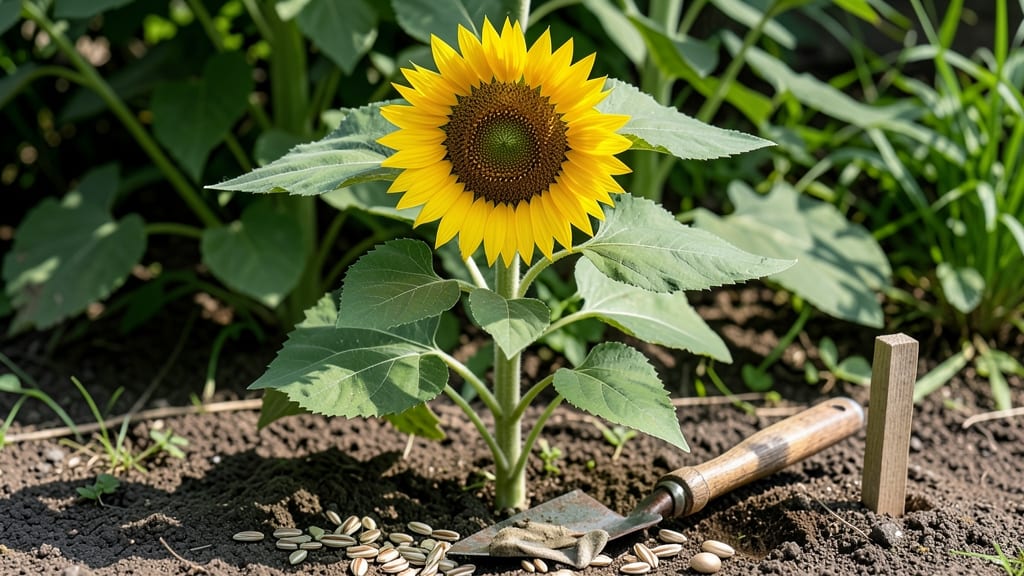
Planting sunflower seeds in Southern California at the right time means taller blooms and longer vase life—no frost to worry about, but timing still matters.
Picture this: you’ve waited until June to plant, only to watch your sunflowers 🌻 bolt straight up and flop over by August. That’s the classic mistake of planting too late, and it’s easier to avoid than you think.
In coastal areas like San Diego, you can start as early as February, while inland spots like the Inland Empire wait until March for soil warmth. The key is soil temperature, not frost dates—once it hits 60°F, your seeds are ready to go.
Below, I’ll break down the best months by microclimate, how to prep your soil for maximum height, and the simple care routine that keeps your sunflowers thriving from seed to harvest.
Best planting months for sunflowers in Southern California’s climate zones
Southern California’s mild winters and long growing seasons make it ideal for sunflowers year-round, but timing matters for maximum height and vibrant blooms. Unlike northern climates, you won’t face frost risks in most areas, but heat tolerance and water availability vary by USDA zone.
Coastal areas (Zone 10) enjoy frost-free conditions year-round, while inland valleys (Zone 9b) experience rare winter chills. Let’s break down the perfect planting windows for each zone to ensure your sunflowers thrive.
For coastal Southern California (Zone 10), the best months to plant sunflower seeds are February through April for summer blooms. This timing aligns with soil warming and consistent rainfall, reducing irrigation needs.
Inland areas (Zones 9b-11) can plant as early as January or extend into May, but avoid late summer plantings—intense heat can stress seedlings. Desert regions (Zone 11) benefit from fall planting (September-October) to escape summer’s extreme temperatures.
Here’s a quick reference for optimal planting months across Southern California’s zones, including heat tolerance tips and watering adjustments:
In Zone 9b, where inland heat peaks in summer, I recommend planting dwarf varieties like ‘Teddy Bear’ in late winter (February-March) to avoid stress. These sunflowers mature quickly (60–70 days) and produce compact blooms perfect for containers.
For taller varieties (e.g., ‘Mammoth’), wait until April when soil temperatures stabilize above 60°F.
Coastal gardeners in Zone 10 have the luxury of year-round planting, but spring plantings (March-April) yield the tallest, healthiest sunflowers. The mild ocean breezes reduce heat stress, while consistent humidity supports steady growth.
If you’re aiming for fall blooms, plant in September—just be sure to use shade cloth for seedlings to prevent sunburn during hot afternoons.
Desert regions in Zone 11 face extreme summer temperatures (often exceeding 100°F), making fall planting the best strategy. Sow seeds in September-October to take advantage of cooler nights and shorter days.
Choose heat-tolerant varieties like ‘ProCut’ or ‘Autumn Beauty,’ which thrive in dry conditions and produce long-lasting blooms even in arid climates.
Regardless of your zone, always test soil temperature before planting—sunflower seeds need consistent warmth (above 55°F) to germinate. Use a soil thermometer or press your finger into the soil; if it feels cool to the touch, wait a few more days.
In cooler microclimates (e.g., mountain foothills), consider starting seeds indoors 2–3 weeks before your target planting date to give them a head start.
One common mistake I see in Southern California is planting sunflowers too late in summer, especially in Zone 9b. Seedlings struggle to establish roots before September heat waves hit, leading to stunted growth or bolted stems. Instead, plan
How to time sunflower planting for maximum height and blooms
Timing your sunflower planting in Southern California is the secret to growing towering varieties like 'Mammoth' or 'Russian Giant'. Since we enjoy frost-free winters in most areas, you can plant sunflowers almost year-round—but strategic timing maximizes height and vase life.
For the tallest sunflowers, aim for early spring or late summer, when temperatures are mild and moisture is consistent.
Sunflowers thrive on long daylight hours, so planting in March or April gives them the 6+ hours of sunlight they crave daily. This timing also avoids the intense summer heat, which can stress young plants.
If you prefer fall-blooming sunflowers, plant seeds in late August—they’ll mature just in time for autumn harvests.
- 1. Soil Prep: Test soil pH (aim for 6.0–7.0) and amend with compost or aged manure for nutrient-rich soil. Sunflowers are heavy feeders, so well-draining soil is key to prevent root rot.
- 2. Planting Depth: Bury seeds 1 inch deep in moist soil. Space dwarf varieties 6–12 inches apart and tall types 18+ inches apart to avoid competition. Use sturdy stakes for giant varieties to prevent toppling.
- 3. Watering Schedule: Keep soil consistently moist but not soggy. Water deeply in the morning (1–1.5 gallons per plant) to encourage deep root growth. Reduce watering once plants reach 6 feet tall to harden stems for vase life.
- 4. Companion Planting: Pair sunflowers with bush beans or marigolds to deter pests like aphids and cucumber beetles. Avoid planting near potatoes, which compete for nutrients.
- 5. Fertilizing for Height: Apply a balanced fertilizer (5-10-10) at planting and again when plants reach 12 inches tall. Avoid high-nitrogen fertilizers, which promote foliage over flower blooms. Use phosphorus-rich amendments to boost stem strength.
To push sunflowers toward maximum height, provide supportive structures like bamboo stakes or cages. Giant varieties can reach 12+ feet tall if given enough space and nutrients.
Once blooms appear, harvest seed heads when the back turns brown—this ensures longer vase life and prevents birds from snacking on your seeds.
In Southern California’s coastal areas, you can even experiment with winter planting (November–December) for early spring blooms. Just protect seedlings from chilly coastal winds with row covers or mulch.
Whether you plant in spring or fall, consistent care and the right timing will reward you with sunflowers that rival your neighbors’—or even your local nursery displays!
Pro tip: Track your sunflowers’ growth with a garden journal. Note the planting date, final height, and bloom duration to refine your strategy for next season. With these techniques, you’ll grow sunflowers that outshine the competition—literally! 🌻