
Flowers
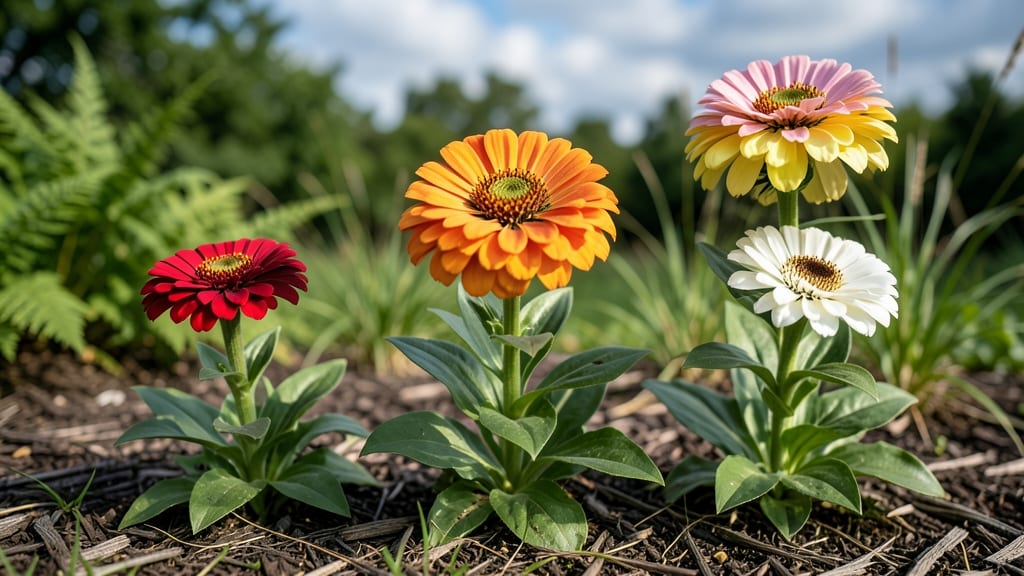
Zinnia flower heights vary dramatically from 6 inches to towering 4 feet, and choosing the right variety can make or break your garden’s flow.
Struggling to plan your garden layout around zinnias? The wrong spacing can lead to overcrowded blooms or wasted space—here’s how variety-specific heights solve that problem.
Dwarf zinnias like the Crystal series stay under a foot tall, perfect for edging or containers, while giants like Benary’s Giant reach nearly waist-high, demanding more room and support.
In this guide, you’ll learn how to match each variety to its ideal spot, adjust sunlight and soil for height control, and keep your zinnias blooming at their best all season.

Zinnia flower height by variety: compact to towering options
Zinnias are one of the most versatile annual flowers, offering a stunning range of heights that can transform your garden from a cottage-style border to a dramatic backdrop.
Whether you're designing a container garden, cut flower arrangement, or backyard border, choosing the right variety ensures your zinnias thrive without competing for space or sunlight.
From dwarf varieties perfect for windowsills to giant zinnias reaching skyward, each type has specific spacing needs to maximize blooms and prevent disease.
The key to stunning zinnias lies in their mature height and growth habit. Dwarf varieties stay compact, making them ideal for front-of-border plantings or container gardens, while taller types need room to stretch their legs and support their own weight.
Understanding these differences helps you avoid overcrowding, which can lead to powdery mildew or stunted growth. Let’s explore the most popular zinnia varieties and their ideal spacing for a show-stopping display.
| Variety | Height Range | Spacing (Inches) | Best For | Notes |
|---|---|---|---|---|
| Crystal Series | 6–12 inches | 6–8 inches apart | Containers, front borders | Compact, perfect for windowsills and potted arrangements. |
| Thumbelina Series | 8–12 inches | 6–8 inches apart | Rock gardens, herb gardens | Dwarf variety with long bloom time and vibrant colors. |
| Pro Cut Series | 12–18 inches | 10–12 inches apart | Cut flowers, bouquets | Strong stems for long vase life and disease resistance. |
| Benary’s Giant Series | 24–48 inches | 18–24 inches apart | Back borders, cutting gardens | Tallest variety; may need staking in windy areas. |
| State Series | 18–24 inches | 12–15 inches apart | Mixed borders, pollinator gardens | Heat-tolerant with bold, double blooms. |
| Zahara Series | 12–24 inches | 10–12 inches apart | Cut flowers, containers | Unique ruffled petals and long stems. |
For dwarf zinnias like the Crystal Series or Thumbelina, spacing them 6–8 inches apart ensures they fill out without competing for nutrients. These varieties are perfect for container gardens or window boxes, where their compact stature shines.
I’ve found that planting them in groups of three or five creates a lush, cascading effect that draws the eye.
When it comes to medium-height zinnias like the Pro Cut or Zahara Series, give them a little more room—10–12 inches apart. This spacing prevents overcrowding and allows air to circulate, reducing the risk of fungal diseases.
These varieties are my go-to for cut flower arrangements because their stems are long and sturdy, perfect for bouquets that last weeks in a vase.
If you’re aiming for a dramatic backdrop, the Benary’s Giant Series is unmatched. These zinnias can reach 4 feet tall, so they need 18–24 inches of space to avoid flopping or breaking in wind or rain.
I recommend planting them along fences or trellises to provide natural support. For extra stability, I’ve had success using bamboo stakes or flower rings to keep them upright.
Another pro tip: soil quality plays a huge role in height. Well-draining soil with a balanced fertilizer (like 5-10-10) encourages zinnias to reach their full potential. Over-fertilizing can lead to leafy growth at the expense of flowers, so stick to the recommended amounts.
I also mulch around the base to retain moisture and suppress weeds, which helps taller varieties stay strong and healthy.
Don’t forget about sunlight requirements—zinnias need 6+ hours of full sun daily to thrive. If you’re growing taller varieties in partial shade, they may become leggy and weak.
For my garden, I’ve placed Benary’s Giants in the south-facing border where they get the most light, while dwarf varieties get a few hours of afternoon sun in a west-facing container.
For container gardening, choose dwarf or semi-dwarf varieties to avoid overcrowding. A 5-gallon pot can comfortably hold 3–5 Thumbelina zinnias, while a whiskey barrel planter can accommodate 5–7 Pro Cut zinnias.
Always ensure pots have drainage holes to prevent root rot, which can stunt growth and reduce height.
Finally, if you’re using zinnias in cut flower arrangements, taller varieties like Benary’s Giant or State Series provide stunning focal points. To encourage longer stems, deadhead regularly and avoid overwatering.
I’ve found that harvesting in the early morning gives the longest vase life, keeping those towering blooms fresh for days.
How zinnia height affects garden design and companion planting
Zinnias aren’t just pretty faces—their height variations completely transform your garden’s flow and function. A 12-inch dwarf zinnia tucked into a window box creates a charming border, while a 4-foot giant becomes the star of a cut-flower arrangement.
The key? Matching their mature height to your design goals and neighboring plants.
Tall zinnias (3-4 feet) thrive as backdrop plants in mixed borders or near fences, while mid-height varieties (18-24 inches) work beautifully in container gardens or as cut-flower focal points.
Dwarf types (6-12 inches) excel in herb spirals or as edging plants where they won’t overwhelm smaller perennials.
- 🌱 Dwarf Zinnias (6-12") – Perfect for container gardens, herb pairings (basil, thyme), or rock gardens. Space 6-8 inches apart in pots.
- 🌿 Medium Zinnias (18-24") – Ideal for cut-flower bouquets, mixed borders, or pollinator gardens. Plant 12-18 inches apart in beds.
- 🌳 Tall Zinnias (30-48") – Best as backdrop plants, sunflower companions, or privacy screens. Space 18-24 inches apart for sturdy stems.
When designing companion plantings, pair tall zinnias with sunflowers or tall grasses to create vertical interest, while dwarf varieties complement low-growing herbs like oregano or chives. Avoid planting them near aggressive spreaders like mint or creeping thyme, which can outcompete their roots.
For cut-flower arrangements, tall zinnias (like Benary’s Giant) need 18-24 inches of space to develop sturdy stems. Place them in full sun and well-draining soil to maximize height and vase life. Harvest stems early in the morning for the longest-lasting blooms.
Pro tip: Use trellises or stakes for extra-tall varieties (over 3 feet) to prevent flopping in wind or rain. This also creates vertical layers in your design, adding depth without extra space.
Remember, zinnias are annuals, so plan their heights to fit your seasonal garden layout. Swap out spent plants in fall with winter-hardy perennials to maintain structure until spring replanting.