
Flowers
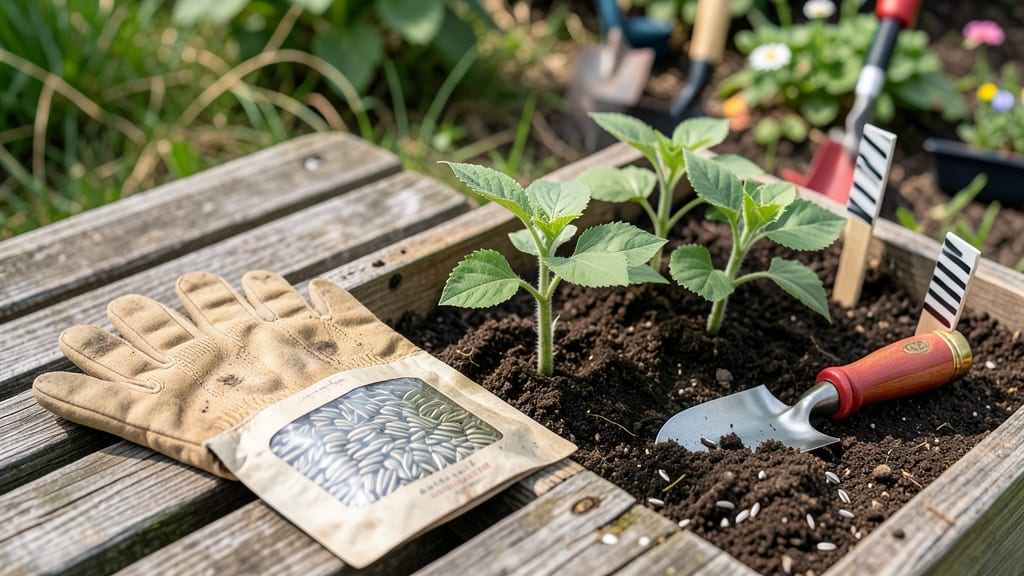
Planting sunflowers in Zone 6 after the last frost gives you the best chance for tall, vibrant blooms that thrive all summer long.
Sunflowers aren’t just cheerful garden stars—they thrive best when planted at the perfect time in Zone 6, where chilly nights and unpredictable spring weather can make or break your blooms. Get the timing wrong, and you’ll end up with leggy stems or stunted growth.
But nail it, and you’ll enjoy towering 🌻 that attract pollinators and brighten your summer landscape for weeks.
In Zone 6, the ideal window is late spring to early summer, once soil temperatures hit at least 55°F. This usually means waiting until mid-May, but early April plantings can work if you use frost blankets or row covers.
Below, I’ll break down the exact frost-free timeline for Zone 6, how to prep your soil, and which sunflower varieties grow best in your region—so you can skip the guesswork and enjoy a garden full of golden sunshine.
Zone 6 sunflower planting timeline: frost dates and soil temperature guide
Sunflowers in Zone 6 need precise timing to avoid frost damage or slow growth. The average last frost date ranges from mid-April to early May, but soil temperature is just as critical—seeds won’t sprout until the ground warms to 50°F (10°C).
Planting too early risks frost-killed seedlings, while waiting too long can shorten your bloom season.
Most gardeners in Zone 6 aim to plant sunflowers 2-3 weeks after the last frost, typically in late May to early June. This window ensures your plants have enough warmth to grow 6-8 inches tall before summer’s peak heat arrives.
For direct sowing, this is ideal, but if you’re transplanting, start seeds indoors 4-6 weeks before your target outdoor date.
Here’s your Zone 6 sunflower planting timeline broken down by key factors:
| Stage | Action | Soil Temp | Timeframe |
|---|---|---|---|
| Prep Soil | Loosen soil, add compost | 45-50°F (7-10°C) | April |
| Direct Sow | Plant seeds 1" deep, 6" apart | 50-60°F (10-15°C) | Late May - Early June |
| Transplant | Move seedlings outdoors | 55°F (13°C) minimum | Early June |
| Germination | Sprouts appear in 7-14 days | 60°F+ (16°C+) | Within 2 weeks |
| Bloom Time | Full sun exposure, 60-90 days | 70°F+ (21°C+) | July - September |
If your spring arrives late, don’t panic—sunflowers are resilient. You can still plant direct-sown seeds as late as early July for a fall harvest, though blooms may arrive later. For transplants, harden off seedlings gradually to avoid shock when moving them outdoors after May 15th.
Soil temperature is your best indicator for planting. Use a soil thermometer to confirm it’s at least 50°F (10°C) at a depth of 2 inches. Cold soil delays germination, so wait for consistent warmth before sowing.
In Zone 6b, where winters are slightly milder, you might push planting to mid-June for shorter-season varieties.
For direct sowing, choose a sunny spot with well-draining soil and scatter seeds lightly over the prepared bed. Press them 1 inch deep and space them 6 inches apart for dwarf varieties or 12-18 inches apart for giant sunflowers. Water gently to settle the soil without displacing seeds.
If you’re transplanting, start seeds indoors 4-6 weeks before your last frost date. Use biodegradable pots to reduce root disturbance when moving seedlings outdoors. Acclimate them to outdoor conditions over 7-10 days by placing them in a sheltered spot during the day and bringing them in at night.
Watch for early signs of stress, like yellowing leaves or stunted growth, which can signal soil that’s still too cold or poor drainage. Mulch around plants with straw or grass clippings to retain moisture and regulate soil temperature.
This is especially helpful in Zone 6, where temperature swings are common.
Remember, sunflowers are fast growers, but their maturity time varies by variety. Dwarf types like ‘Teddy Bear’ may bloom in 50-60 days, while giants like ‘Mammoth’ need 90-120 days. Plan accordingly to maximize your season’s potential and enjoy those vibrant blooms from summer through fall. 🌻
5 Critical factors that determine the best planting time for sunflowers in Zone 6
Planting sunflowers in Zone 6 isn’t just about waiting for the last frost—it’s about aligning your schedule with soil warmth, daylight hours, and heat tolerance.
While many gardeners focus only on frost dates, these five critical factors can mean the difference between bolting (premature flowering) and robust, long-stemmed blooms. Let’s break down what truly matters for your sunflower success.
First, soil temperature is non-negotiable. Sunflower seeds need soil that’s at least 55°F (13°C) to germinate properly. In Zone 6, this typically means waiting until mid-to-late May, even if frost has passed.
Planting too early in cold soil can lead to rot or poor germination, leaving you with sparse, uneven growth. I’ve seen this happen when eager gardeners rush planting after a false spring warm-up.
Next, daylight hours play a surprising role. Sunflowers are long-day plants, meaning they need 14+ hours of daylight to trigger flowering. In Zone 6, this natural light threshold isn’t met until late May or early June.
Planting before this can cause your sunflowers to grow tall and leggy without blooming—a frustrating waste of space and energy. I once grew a batch in early May, and they bolted before producing a single flower!
- Soil Temperature: Wait until soil reaches 55°F (13°C)—typically mid-to-late May in Zone 6.
- Daylight Hours: Plant after 14+ hours of daylight (usually late May/early June) to prevent bolting.
- Heat Tolerance: Avoid planting in extreme summer heat (after July 15) to reduce stress and pest pressure.
- Maturity Zone: Choose fast-maturing varieties (under 90 days) to ensure blooms before first frost.
- Pest Susceptibility: Plant after cucumber beetles (common in Zone 6) have emerged to reduce early-season damage.
Don’t overlook heat tolerance, either. While sunflowers love warmth, planting them in mid-to-late July or later can stress your plants, especially in Zone 6’s hot summers. The intense heat can lead to wilting, poor flowering, or even death in extreme cases.
I’ve noticed that sunflowers planted in August often struggle to mature before the first frost, leaving you with underwhelming results. Instead, aim for a June planting to give your sunflowers enough time to establish roots and grow before the heat peaks.
Another often-missed factor is maturity zone. With only about 165 frost-free days in Zone 6, you’ll need to select fast-maturing varieties (under 90 days) to ensure blooms before the first frost. Varieties like ‘Moulin Rouge’ (50 days) or ‘Autumn Beauty’ (60 days) are perfect for this zone.
I once planted a 120-day variety in early June, only to watch it wither before producing flowers—don’t make that mistake!
Finally, pest susceptibility can be a dealbreaker if you plant at the wrong time. In Zone 6, cucumber beetles and sunflower moths are major pests, and they emerge in late May to early June.
Planting too early leaves your young seedlings vulnerable to these pests, while planting too late can attract more insects as they search for hosts. To avoid this, I recommend planting after you’ve spotted the first cucumber beetles in your area—usually around late May.
By paying attention to these five critical factors, you’ll give your sunflowers the best chance to thrive in Zone 6. The key is balance: wait for warm soil and long days, avoid extreme heat, and choose the right varieties.
When you get it right, you’ll be rewarded with vibrant, pollinator-friendly blooms that last well into fall. Happy planting! 🌻