
Trees
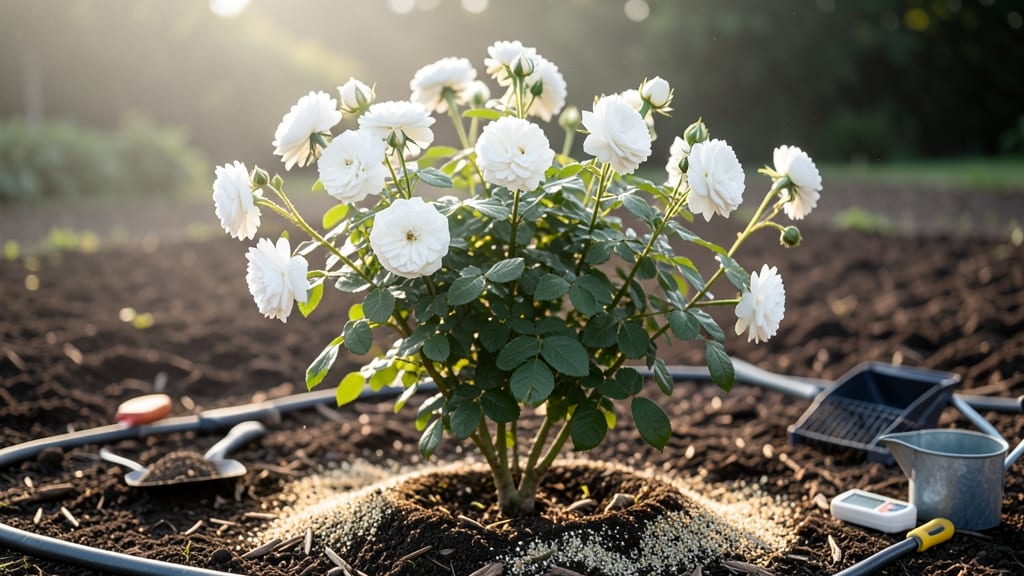
Fertilizing flowering trees at the right time—like early spring before blooms appear—sets the stage for a show-stopping display of 🌸 all season long.
Timing your flowering tree fertilization wrong can mean fewer blooms—or even no flowers at all. Whether you’re growing a cherry tree or a crepe myrtle, getting this step right is the difference between a spectacular spring and a disappointing one.
Most flowering trees need a light feed in early spring to kickstart growth, followed by a heavier dose in late summer for fall bloomers. But skip fertilizing in winter, when trees are dormant, and you’ll avoid overloading them with nutrients they can’t use.
Below, I break down the exact schedule by bloom cycle, the best fertilizer types for each season, and how to tell if your tree is getting just the right amount—or too much.

Optimal fertilization schedule by flowering tree bloom cycle
Getting your flowering tree fertilization schedule right is the difference between a spectacular spring display and sparse blooms. Most gardeners make the mistake of fertilizing at the wrong time—either too early when the tree is still dormant or too late when blooming is already underway.
The key is understanding whether your tree is a spring bloomer (like cherry or peach) or a summer/fall bloomer (like camellia or crepe myrtle), as their nutrient needs align with their bloom cycles.
For spring-blooming deciduous trees, the goal is to feed them just as they break dormancy in early spring, giving them energy to produce buds. Meanwhile, summer/fall-blooming evergreens need a mid-summer boost to support their later-season flowers.
Skipping these windows means your tree won’t have the reserves it needs for vibrant blooms.
Timing is everything—fertilizing during bloom can actually reduce flower production, as the tree prioritizes fruit or seed development over blossoms. Let’s break down the exact schedule for each type, including how much to apply and when to avoid fertilizing altogether.
| Tree Type | Bloom Season | Fertilize Before Bloom | Fertilize During Bloom | Post-Bloom Fertilize | Best Fertilizer Type |
|---|---|---|---|---|---|
| Deciduous (Cherry, Peach, Crabapple) | Spring | Early March-April (light feed) | Avoid (can reduce blooms) | Late June-July (balanced feed) | Slow-release 10-10-10 |
| Evergreen (Camellia, Crepe Myrtle, Azalea) | Summer-Fall | Avoid (too early) | June-July (peak feed) | September (light feed) | Acid-loving blend (for camellias) |
| Newly Planted Trees (<3 years) | Varies | Early spring (half-strength) | Avoid during first year | Late summer (light feed) | Organic compost tea |
| Established Trees (>5 years) | Varies | Early spring (full strength) | Avoid during bloom | Early fall (light feed) | Slow-release granules |
Notice how spring bloomers get their biggest feed before buds appear, while summer/fall bloomers need their mid-season boost. This aligns with their natural growth cycles—spring feeders build energy for next year’s flowers, while summer bloomers need nutrients as they’re actively growing new blossoms.
For newly planted trees, the rule changes slightly. They need gentle feeding to establish roots without overwhelming them. Use half-strength fertilizer in early spring and avoid anything during their first bloom season. Established trees, on the other hand, can handle full-strength feeds but still follow the same seasonal rules.
One common mistake is fertilizing in late summer or fall, which can encourage tender new growth that won’t survive winter. Always stop feeding by mid-September in most climates to let your tree harden off before cold weather. In warmer zones (USDA 8+), you can extend feeding to early October.
Pro tip: Pair your fertilization with a 2-3 inch layer of mulch after feeding. This locks in moisture and slowly releases nutrients back into the soil, giving your tree a steady supply. Just keep mulch 6 inches away from the trunk to prevent rot.
If your tree is leafing out late or has sparse blooms, it might need a micronutrient boost (like iron or magnesium) in early spring. Look for chelated fertilizers designed for flowering trees—these are gentler on roots while delivering essential minerals.
Remember: Less is more when it comes to flowering trees. Over-fertilizing can lead to leaf burn, root damage, or even fewer blooms as the tree focuses on foliage instead of flowers. Always follow the package rates and adjust for your tree’s age and health.
Signs your flowering tree needs fertilizer (and when to avoid it)
Flowering trees like cherry, magnolia, and crepe myrtle rely on nutrients to produce vibrant blooms. When they show signs of stress, it’s often a clear signal they need a nutrient boost.
However, timing matters—fertilizing at the wrong time can harm your tree instead of helping it. Watch for yellowing leaves, sparse blooms, or stunted growth as key indicators.
Before reaching for fertilizer, confirm the issue isn’t overwatering, poor drainage, or pest damage. For example, magnolia trees often drop buds due to late frost, not nutrient deficiency.
Always rule out environmental factors first. Once you’re confident it’s a nutrient deficiency, timing becomes critical for revival without risking root burn.
- During blooming season: Never fertilize while flowers are open. This can cause leaf burn and stunted blooms.
- Late summer/early fall: Avoid heavy feeding if buds are forming—this disrupts next year’s flowers.
- Winter months: Trees are dormant and won’t absorb nutrients. Fertilizing now wastes resources.
Yellow leaves are the most common nutrient deficiency sign, but their location tells the story. If older leaves yellow first, it’s often a nitrogen deficiency.
For new leaves turning yellow, check for iron or magnesium shortages. Pair these visual cues with soil testing to pinpoint the exact issue before fertilizing.
Sparse or small blooms are another red flag. If your cherry blossom tree produces fewer flowers than expected, it may need phosphorus-rich fertilizer to support root and flower development.
Apply a balanced 10-10-10 fertilizer in early spring (before buds swell) for best results. Avoid high-nitrogen fertilizers, which encourage foliage over flowers.
Over-fertilizing is just as damaging as under-fertilizing. Look for brown leaf tips, crispy edges, or excessive leaf drop—these are classic signs of fertilizer burn.
If you notice these, flush the soil with water and avoid fertilizing for 6-8 weeks to let the tree recover. Always follow package instructions for application rates.
For newly planted trees, hold off on fertilizer for the first 6-12 months. Their roots are still establishing, and they don’t need extra nutrients.
Instead, focus on mulching and deep watering to encourage root growth. Once established, fertilize twice a year: in early spring and late summer.
Remember, healthy soil is the foundation of vibrant blooms. Amend your soil with compost or organic matter before fertilizing. This improves nutrient retention and reduces the risk of over-fertilization. With the right timing and care, your flowering trees will reward you with show-stopping blooms year after year. 🌸