
Pruning
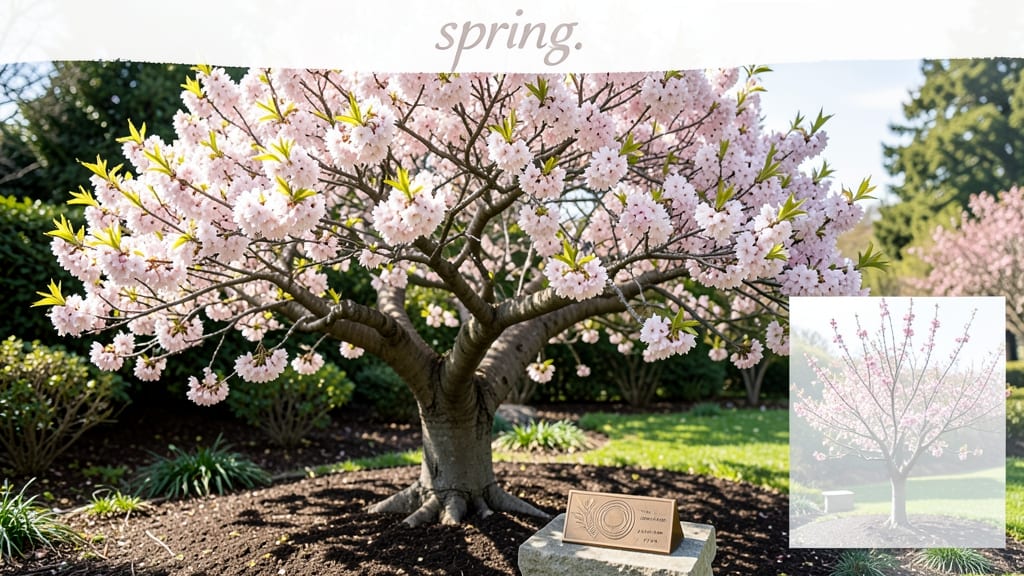
A flowering cherry tree’s lifespan can span 20 to 50 years—or even longer—when given the right conditions, making it a stunning, long-term investment for your garden.
Imagine waking up each spring to a breathtaking canopy of pink, white, or red blossoms 🌸—your flowering cherry tree could grace your landscape for decades with the right care. But how long do these stunning trees truly last, and what secrets extend their lifespan?
While some varieties, like the popular 'Kwanzan' or 'Somei-Yoshino', thrive for 30 to 40 years, others may struggle in harsh climates or with poor maintenance. The difference often comes down to soil health, pruning practices, and protection from pests and diseases.
In this guide, I’ll break down the average lifespan of flowering cherry trees, the factors that influence how long they live, and the critical care tips to help yours reach its full potential—so you can enjoy its beauty for generations.
Flowering cherry tree lifespan: average years and factors affecting longevity
Flowering cherry trees (Prunus serrulata and related species) are prized for their stunning spring blooms, but their lifespan varies dramatically—from 20 to over 50 years—depending on care and environment.
The average lifespan for most varieties falls between 30 to 40 years, though some well-maintained specimens live for decades beyond. Understanding the factors that influence longevity helps you choose the right variety and provide optimal care for a tree that will thrive for generations.
Genetics play a foundational role in lifespan. For example, Prunus serrulata (the classic Japanese flowering cherry) typically lives 30 to 40 years, while Prunus subhirtella (like the 'Autumnalis' variety) can exceed 50 years due to its cold hardiness and extended blooming season.
Even within species, specific cultivars like the 'Kwanzan' (deep pink) or 'Somei-Yoshino' (white) may have slight variations in longevity based on their genetic resilience.
The climate zone where you plant your cherry tree directly impacts its lifespan. These trees thrive in USDA Zones 5 through 8, but extreme heat or cold can shorten their lives. In Zone 6 or colder, choose cold-hardy varieties like 'Autumnalis' to avoid winter dieback.
Meanwhile, in Zone 8 and warmer climates, heat stress and fungal diseases (like powdery mildew) can reduce lifespan to 20 to 30 years if not managed properly.
Soil conditions are another critical factor. Flowering cherry trees prefer well-draining, slightly acidic soil (pH 5.0 to 6.5). Heavy clay or waterlogged soil can lead to root rot, which shortens lifespan by 10 to 15 years.
Amending soil with compost or organic matter improves drainage and nutrient availability, while proper mulching (2-3 inches of organic mulch) helps regulate soil temperature and moisture—key for long-term health.
🌸
| Factor | Ideal Condition | Lifespan Impact |
|---|---|---|
| Variety | Prunus subhirtella (e.g., 'Autumnalis') | 50+ years (cold-hardy) |
| Variety | Prunus serrulata (e.g., 'Kwanzan') | 30-40 years (standard) |
| Climate Zone | USDA Zones 5-8 | +20 years with proper care |
| Soil pH | 5.0-6.5 (slightly acidic) | Prevents nutrient deficiency |
| Sunlight | 6+ hours full sun | Maximizes blooms & health |
| Watering | Deep soak weekly (established) | Reduces root stress |
| Pruning | Annual shaping (late winter) | +15 years with proper technique |
Proper pruning techniques also extend a flowering cherry tree’s lifespan. Prune in late winter (before bud break) to remove dead or crossing branches, which improves airflow and reduces disease risk.
Avoid heavy pruning during the growing season, as this can stress the tree and shorten its lifespan by up to 10 years. Focus on structural integrity—removing weak branches prevents future breakage during storms, a common cause of premature decline.
Pests and diseases are silent lifespan killers. Black knapweed aphids and cherry leaf spot fungus can weaken trees over time, reducing their lifespan by 15 to 20 years if untreated.
Regularly inspect your tree for signs of infestation (yellowing leaves, black spots) and treat early with neem oil or fungicidal sprays. Healthy, pest-free trees live significantly longer, often reaching their full 30 to 50-year potential.
Location matters just as much as care. Plant your flowering cherry tree in a spot with full sun (6+ hours daily) and protection from strong winds, which can damage delicate branches.
In urban areas, pollution and compacted soil can stress trees, cutting their lifespan by 5 to 10 years. If planting near a road, choose pollution-tolerant varieties like 'Fugenzo' to mitigate environmental stress.
🌳
Finally, seasonal care
5 Critical care secrets to maximize your flowering cherry tree’s lifespan
Your flowering cherry tree isn’t just a seasonal showstopper—it’s a long-term investment in beauty. With the right care, these trees can thrive for 50+ years, but neglect can cut their lifespan by half. The secret lies in proactive maintenance that addresses their unique needs year-round.
From pruning techniques that encourage healthy growth to disease prevention strategies, small adjustments in your routine can add decades to your tree’s life.
Many gardeners focus on the spring blooms but overlook the foundational care that keeps roots strong and branches resilient. For example, winter protection isn’t just about wrapping the trunk—it’s about insulating the entire root zone.
And while watering schedules seem straightforward, overwatering is one of the fastest ways to shorten a flowering cherry’s lifespan. Let’s dive into the five critical secrets that will transform your tree into a century-old landscape centerpiece.
🌸 5 Secrets to Extend Your Flowering Cherry Tree’s Lifespan
- Prune in late winter—Remove 30% of dead wood before buds swell to prevent disease spread and improve airflow.
- Test soil pH annually—Flowering cherries thrive in slightly acidic soil (6.0-6.5); amend with sulfur if needed.
- Water deeply but infrequently—Established trees need 1-2 inches per week; shallow watering stresses roots.
- Wrap trunks in burlap—Protect against sunscald and rodent damage during winter dormancy.
- Apply mulch 3 inches deep—Retains moisture, regulates soil temp, and suppresses weeds that compete for nutrients.
Let’s start with pruning, the most misunderstood aspect of flowering cherry care. Many gardeners prune at the wrong time—either too late in spring (after blooms) or too early in fall (when wounds heal slowly).
The ideal window is late winter, just as buds begin to swell but before new growth starts. This timing ensures you’re removing dead or crossing branches without sacrificing next year’s flowers.
Use sterilized tools to prevent bacterial canker, a common disease that can kill a tree in just 2-3 years if left unchecked.
Disease prevention goes beyond pruning. Fungal infections like powdery mildew and bacterial canker thrive in humid conditions, so improve air circulation by spacing trees 15-20 feet apart.
If you notice oozing cankers or yellowing leaves, act fast: prune infected branches 6 inches below the damage and sterilize your tools with 70% isopropyl alcohol. Proactive sprays with neem oil in early spring can also reduce fungal spores by up to 80%.
Watering might seem simple, but overwatering is the silent killer of flowering cherries. These trees are drought-tolerant once established, but soggy soil invites root rot. The key is deep, infrequent watering: water once a week during dry spells, delivering 15-20 gallons per tree.
Use a soaker hose to water at the drip line (not the trunk) to encourage deep root growth. In containers, ensure pots have drainage holes and never let them sit in standing water.
Winter protection is often overlooked, yet it’s critical for trees in USDA Zones 5-7. While flowering cherries are hardy to Zone 5, young trees or those in windy areas need extra care.
Wrap the trunk with burlap or tree wrap to prevent sunscald (caused by winter sun on frozen bark). For added insulation, mound 4-6 inches of mulch around the base, but keep it 6 inches away from the trunk to avoid rot.
In extreme cold (below -20°F), consider a tree blanket for the first few winters.
Finally, don’t underestimate the power of soil amendments. Flowering cherries prefer well-draining, slightly acidic soil rich in organic matter. Conduct a soil test every 2-3 years and amend with compost or aged manure to boost nutrients. Avoid high-nitrogen fertilizers, which promote leafy growth at the expense of flowers.
Instead, use a balanced 10-10-10 fertilizer in early spring and iron supplements if leaves turn yellow. With these five secrets, your flowering cherry could outlive multiple generations—starting with yours.