
Flowers
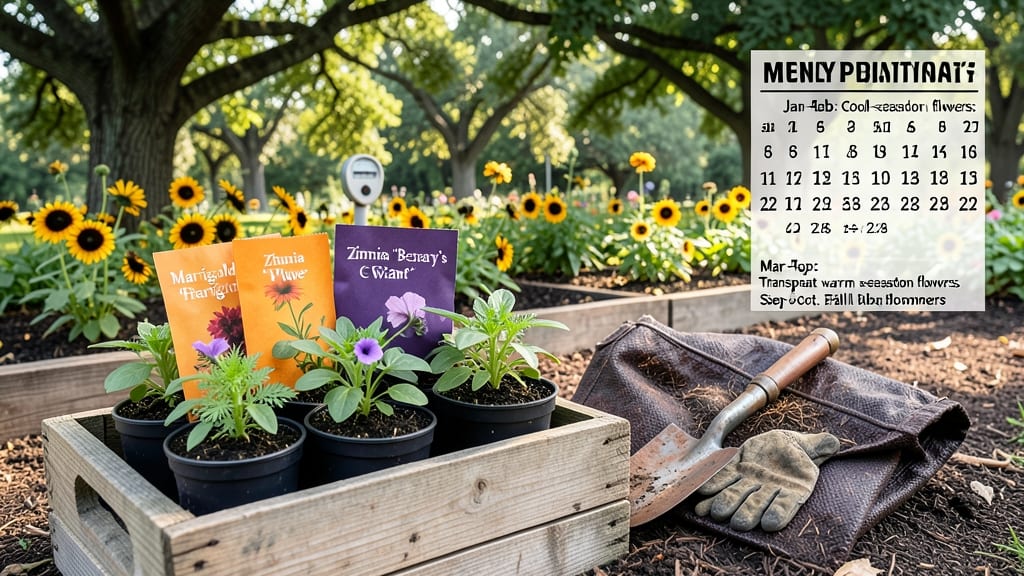
To plant flowers in Alabama at the right time means catching that 210- to 240-day frost-free window—and missing it can leave you with sad, stunted blooms instead of the vibrant garden you envisioned.
Alabama’s warm climate and long growing season make it a gardener’s paradise, but timing is everything—especially in USDA Zones 7b-8b, where frost-free windows vary by region.
Plant too early, and a late cold snap will shock tender seedlings. Too late, and summer’s heat arrives before your flowers even think about blooming.
Whether you’re dreaming of azaleas in spring, petunias all summer long, or fall camellias, the key is knowing when to get those roots in the ground.
This guide breaks down the best months for annuals, perennials, and bulbs—plus how to adjust for Alabama’s microclimates, from urban heat islands to cool mountain valleys.
Ready to turn your Alabama garden into a year-round spectacle? Here’s exactly when to plant for zero-frost stress, plus pro tips to keep your flowers thriving from March through November.
Alabama flower planting calendar by season: best times for annuals, perennials, and bulbs
Alabama gardeners enjoy 210-240 frost-free days annually, but knowing exactly when to plant flowers in your specific USDA Zone 7b-8b region is key to vibrant blooms.
North Alabama (like Huntsville) typically has earlier last frosts (March 15), while South Alabama (like Mobile) may see later frost risks until April 1. This calendar aligns planting with Alabama's humid subtropical climate, balancing heat tolerance and moisture needs.
Spring is prime time for perennials and bulbs, while annuals thrive in both spring and fall. For example, azaleas and camellias love Alabama's acidic soils but need cool-season planting (February-March), while petunias and marigolds can handle late summer heat if planted in August-September.
Let's break down the best month-by-month planting windows for your Alabama garden.
For North Alabama gardeners, focus on early spring planting (February-March) for bulbs and perennials, as frost risks linger slightly longer. Azaleas and camellias thrive when planted in cool, moist soil during these months.
Meanwhile, South Alabama's longer growing season allows for extended fall planting (October-November) of cool-season annuals like pansies and sweet alyssum, which can bloom through winter.
Heat-loving annuals like zinnias and sunflowers should never be planted before May 1 in North Alabama or April 15 in South Alabama, as young plants can bolting or scorch in Alabama's 90°F+ temperatures.
Instead, start these heat-tolerant varieties indoors in March for transplanting after the last frost risk passes.
Bulbs are a year-round consideration in Alabama. Plant spring-blooming bulbs (tulips, daffodils) in February-March, while fall-b
How to adjust planting times for Alabama’s microclimates and frost exceptions
Alabama’s diverse landscapes mean your neighbor’s perfect planting time might not work for you. Urban heat islands, mountain valleys, and coastal breezes create microclimates where frost arrives days—or even weeks—earlier or later than official forecasts.
For heat-loving flowers like hibiscus or snapdragons, these variations can mean the difference between a lush summer display and a sad, frost-nipped plant.
If you’ve ever watched your tender annuals shiver under an unexpected late-spring frost or struggled to coax fall-blooming mums to thrive before winter, you’re not alone. The key lies in understanding your local frost patterns and using simple tools to extend your growing season.
Whether you’re in Birmingham’s urban sprawl, Huntsville’s high-elevation pockets, or Mobile’s coastal warmth, these strategies will help you adjust planting times like a pro.
⚠️ callout warning
Alabama’s last frost date averages March 15, but valleys like Cullman can see frost as late as April 10, while urban areas like Montgomery may stay frost-free by March 1. Heat-loving flowers like hibiscus and canna lilies need consistent warmth—planting them too early in cooler microclimates risks frost damage. Use these three rules to avoid costly mistakes:
- Wait for soil warmth: Test soil temperature—it should be 60°F+ for most annuals.
- Monitor local frost alerts: Check NOAA’s Frost/Freeze Predictions for your county.
- Use row covers for 2-3 weeks after planting to shield tender seedlings.
Start by identifying your specific microclimate. Are you in a valley where cold air pools, or on a south-facing slope that warms faster? High-elevation areas like Lookout Mountain can have 10-14 days later frost dates than nearby valleys.
Use a minimum thermometer over winter to track your lowest temperatures. If your area gets 28°F+ frosts, opt for cold-hardy varieties like pansies or stock instead of tropical flowers.
For heat-loving flowers that need a long, warm season—think hibiscus, snapdragons, or cleome—consider soil warming techniques. Lay down black plastic mulch 2-3 weeks before planting to raise soil temps by 5-10°F.
Pair this with row covers made of frost cloth to create a mini greenhouse effect. Even a simple cold frame (a clear plastic box over seedlings) can add 2-4 weeks to your frost-free window.
Don’t overlook container gardening as a way to control microclimates. Pots on patio heaters or near south-facing walls can stay 5-8°F warmer than in-ground soil. Move tender plants like geraniums indoors before fall frosts hit, then replant them in spring.
This trick lets you grow season-long blooms even in cooler microclimates.
Pro tip: Keep a gardening journal to track when your specific flowers thrive—or fail. Note the first frost date each year and adjust your planting schedule accordingly. Over time, you’ll spot patterns unique to your yard, like urban heat islands that delay frost or shady valleys that stay colder longer.
With these adjustments, you’ll turn Alabama’s microclimate quirks into blooming opportunities instead of gardening roadblocks.