Flowers
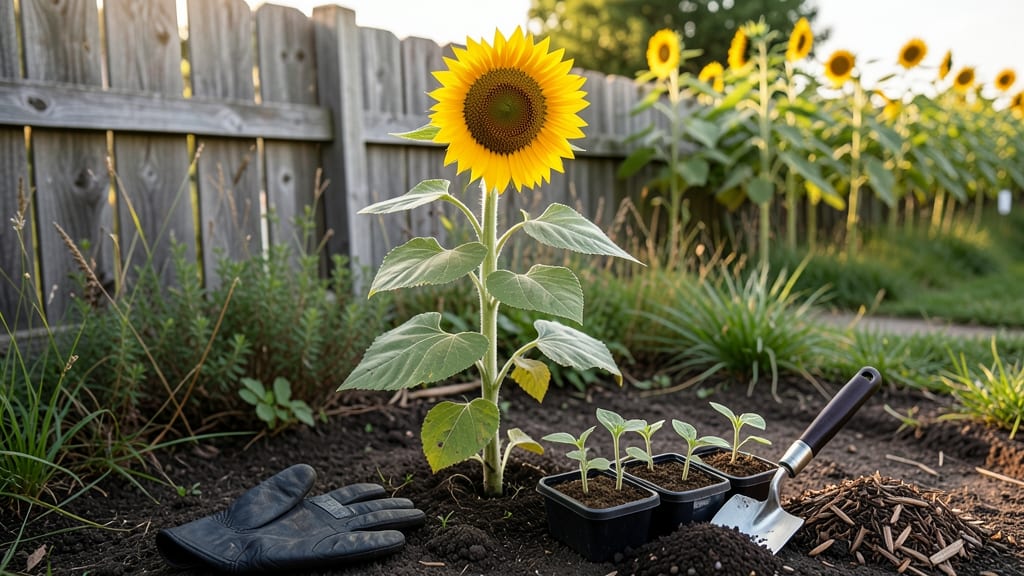
Planting sunflowers in Virginia after the last frost — between mid-April and early June — is the key to towering, sun-drenched blooms that thrive in the state’s 7a-8a climate.
Picture this: you’ve waited all winter for those golden faces to pop up, only to watch them wilt under a late frost or stretch too tall before the first chill of fall. That’s why timing matters more than you think — and Virginia’s microclimates make it tricky.
From the coastal plains to the Piedmont hills, soil type and heat spikes change the rules. A sandy bed in Norfolk needs different prep than clay soil in Roanoke, and dwarf varieties like ‘Teddy Bear’ won’t wait as long as giants like ‘Mammoth’.
Here’s your zone-by-zone breakdown: exact dates, soil secrets, and how to adjust for Virginia’s quirks so your sunflowers 🌻 grow stronger and taller than ever.
Virginia planting zones & exact sunflower dates by month
Virginia’s USDA zones 6a-8a create a perfect stage for sunflowers, but timing is everything. Plant too early, and frost will nip tender sprouts. Too late, and summer’s heat will stunt growth before blooming.
I’ve broken down the ideal planting windows for each zone, including soil temperature tips to ensure strong stems and vibrant blooms.
Most Virginia gardeners focus on spring planting (mid-April to early June), but fall planting (August-September) can extend your blooming season. The key is understanding your last frost date—typically March 15-April 15—and soil warmth (aim for 60°F+ at 2 inches deep). Here’s your zone-by-zone guide:
For zone 6a, I recommend starting seeds indoors in late March if you’re eager for early blooms. Transplant seedlings outdoors after the last frost, but wait until soil temperatures reach 60°F+—cold soil slows germination.
In zone 8a, you can push the envelope with late spring plantings (up to early June), but watch for humidity spikes that encourage powdery mildew.
Pro tip: Use a soil thermometer to check temperatures. Sunflowers won’t germinate well below 55°F, and stems may weaken if soil stays too cool.
In my zone 7a garden, I’ve had the most success planting ‘Autumn Beauty’ in late May for fall color—its red-tinged petals add drama to autumn weddings and photoshoots.
Fall planting is riskier but rewarding. Seedlings need 80-100 days to mature, so time it so blooms appear before the first frost (November 1-15). In zone 7b/8a, I’ve had luck with ‘ProCut’ varieties—they’re bred for cut flowers and handle Virginia’s late-summer heat better than standard types.
One mistake I see often? Planting sunflowers too close together. Give them 18-24 inches between rows to prevent competition. In my clay-heavy soil (common in Piedmont VA), I mix in compost and sand to improve drainage.
Poor drainage leads to root rot, which kills sunflowers faster than you’d think.
For container growing, choose dwarf varieties like ‘Moulin Rouge’ (2-3 feet tall) and plant in 5-gallon pots with drainage holes. These do well on patios in zone 7a-8a, even if you don’t have a traditional garden bed.
Just ensure they get full sun (6+ hours daily)—sunflowers are sun-worshippers!
Remember: Virginia’s microclimates vary wildly. Coastal areas (like Virginia Beach) stay warmer longer, while inland spots (like Roanoke) have sharper frost risks. Adjust your planting dates by 1-2 weeks based on your local conditions. When in doubt, observe your neighbors’ gardens—their sunflowers are your best barometer.
With these dates and tips, you’ll grow sunflowers that reach their full
How to adjust planting for Virginia’s microclimates & soil types
Virginia’s diverse geography means your sunflower’s success hinges on where you live. Coastal areas like Norfolk experience milder winters and higher humidity, while the Piedmont region (think Charlottesville) faces hotter summers and drier conditions.
These differences affect planting timing by 2-4 weeks, so knowing your microclimate is key to avoiding weak stems or missed blooms.
Soil type plays an equally critical role. Clay-heavy soils (common in the Blue Ridge Mountains) drain poorly, while sandy soils (found near Richmond) dry out fast. Sunflowers need well-draining soil with organic matter to thrive—otherwise, they’ll struggle to establish strong roots before Virginia’s summer heat hits.
Let’s break down how to prep your beds for success.
Coastal vs. Piedmont Planting Adjustments
- ✅ Plant 2-3 weeks earlier (mid-March to early April)
- ✅ Higher humidity → watch for fungal diseases
- ✅ Soil stays moist longer → less frequent watering
- ⚠️ Plant 2-3 weeks later (late April to early May)
- ⚠️ Hotter, drier summers → mulch heavily
- ⚠️ Soil dries faster → deep watering required
Soil Type Solutions
- 🌱 Add compost (3-4 inches)
- 🌱 Raised beds improve drainage
- 🌱 Avoid tilling when wet
- 💧 Mulch with straw (2-3 inches)
- 💧 Use organic matter (peat moss)
- 💧 Water deeply 2-3x/week
Virginia’s late frost risk (especially in the Shenandoah Valley) means timing is everything. Plant too early, and a frost in May can kill young seedlings. Use frost-free date maps (like those from the Virginia Cooperative Extension) to guide your schedule.
For coastal areas, aim for after April 15; inland regions should wait until May 1 to be safe.
Humidity spikes in summer can stress sunflowers, but proper spacing and airflow reduce disease risk. Space seeds 12-18 inches apart in rows 24 inches apart to prevent overcrowding.
If your soil is clay-heavy, mix in composted manure or leaf mold to improve drainage. For sandy soils, container growing with well-draining potting mix works wonders.
Before planting, test your soil’s pH—sunflowers prefer 6.0 to 7.0. If your soil is too acidic, add lime in fall; if alkaline, mix in sulfur. Amend beds with balanced fertilizer (5-10-10) at planting, then side-dress with compost tea when stems reach 12 inches.
This ensures your sunflowers get a strong start before Virginia’s July heat peaks.
Remember: Piedmont sunflowers need more frequent watering than coastal ones, while clay soils retain moisture longer. Adjust your care routine based on your microclimate, and your sunflowers will reward you with towering blooms that outshine the competition. Start prepping your beds now—your future sunflowers will thank you!