Flowers
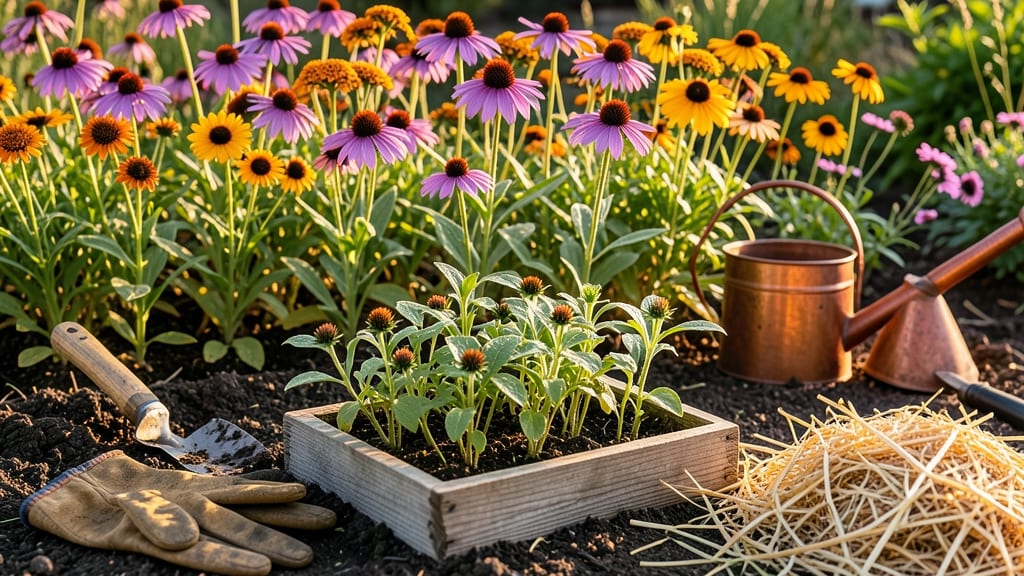
Planting wildflowers in Virginia around frost dates is the secret to a meadow bursting with color every spring and fall.
Struggling to get your 🌼 to bloom reliably? Timing your planting around frost dates—and avoiding these 3 common mistakes—could mean the difference between a vibrant meadow and a patch of dirt.
Virginia’s 6a-8a zones have two prime windows: late winter to early spring (February–April) for spring blooms or late summer to early fall (August–September) for next-year’s flowers. The key? Start soil prep now—loosen the top 6 inches, remove weeds, and scatter seeds lightly for the best contact.
Below, I’ll break down the exact frost-date calendar by region, compare spring vs. fall planting, and share the 3 pro tips that guarantee success—no matter where you are in the state.
Virginia wildflower planting calendar: frost dates by region (2024 guide)
Timing your wildflower planting in Virginia depends heavily on your local frost dates and microclimate. The Old Dominion spans USDA zones 6a to 8a, meaning frost patterns vary dramatically from the cooler Blue Ridge Mountains to the warmer Tidewater coast.
Getting these dates right ensures your black-eyed Susans, coneflowers, and milkweed thrive instead of freezing or bolting too early.
For most Virginia gardeners, spring planting (after last frost) and fall planting (6-8 weeks before first frost) offer the best success. But without precise frost dates, you risk planting too early—only to see seedlings wiped out by a surprise freeze—or too late, missing the ideal germination window.
Let’s break down the 2024 frost dates by region so you can plan with confidence.
Pro Tip: Use these dates as a starting point, then monitor your local weather forecasts for 2-3 weeks before planting. A 30-day rolling average of nighttime temperatures above 40°F is your best indicator for spring planting.
If you’re in the Tidewater region (like Norfolk or Virginia Beach), you can start planting spring wildflowers as early as mid-March. Meanwhile, gardeners in the Blue Ridge Mountains (e.g., Roanoke or Blacksburg) should wait until mid-May to avoid frost damage.
These regional differences explain why a one-size-fits-all approach fails—your neighbor’s success doesn’t guarantee yours!
For fall planting, aim to sow seeds 6-8 weeks before your first frost. In Zone 8a (Tidewater), that’s mid-September to mid-October, while Zone 6a (Blue Ridge) gardeners should plant by mid-September.
Fall-sown seeds germinate slowly in cool soil, establishing roots before winter dormancy—giving you a head start on spring blooms.
Native species like milkweed and wild bergamot thrive when planted in late summer to early fall.
These plants need time to develop strong root systems before winter, so don’t rush the process. Black-eyed Susans and coneflowers, on the other hand, handle both spring and fall planting but bloom more reliably when sown in early spring.
Watch for microclimate variations—valleys and low-lying areas frost earlier than hilltops. If you’re unsure, err on the side of planting later rather than risking a late freeze. A row cover or cloche can extend your planting window by 2-3 weeks in marginal zones.
Remember: Soil temperature matters just as much as air temperature
Spring vs. fall planting: which works best for Virginia wildflowers?
Choosing the right planting season for Virginia wildflowers can make or break your meadow's success. Spring planting (early March–April) gives seeds a head start, while fall planting (September–October) leverages cooler temperatures and winter moisture.
Both have distinct advantages depending on your goals—whether it's immediate blooms or long-term establishment. Let’s break down the key differences so you can decide what works best for your garden.
Virginia’s climate—with its humid summers and variable winters—creates unique challenges for wildflower growers. Spring planting aligns with natural rainfall patterns, but fall planting often yields stronger root systems before winter. The choice depends on your patience level, soil conditions, and even the specific wildflower species you’re planting.
For example, black-eyed Susans thrive with either method, while milkweed benefits from fall’s cooler soil.
Soil preparation is another critical factor. In spring, you’ll work with thawing, often compacted soil that may need extra aeration. Fall planting, however, lets you till or loosen the soil when it’s moist but not frozen, creating ideal seedbed conditions. Both seasons require removing weeds and adding compost, but spring soil may need extra organic matter to retain moisture during hotter months.
Spring Planting (March–April)
✅ Pros
- Faster blooms: Seeds germinate quickly with warming soil and spring rains.
- Less competition: Fewer weeds emerge early in the season.
- Direct sowing: Ideal for large areas where transplants aren’t practical.
❌ Cons
- Drought risk: Summer heat can dry out seedlings before establishment.
- Soil compaction: Thawing ground may be harder to prepare.
- Pest pressure: Early blooms attract insects like aphids.
Fall Planting (September–October)
✅ Pros
- Stronger roots: Cooler temps encourage deep root growth before winter.
- Moisture retention: Winter rains keep soil consistently damp.
- Fewer weeds: Cooler weather slows weed germination.
❌ Cons
- Delayed blooms: Seeds may not flower until next spring or summer.
- Frost risk: Early frosts can damage tender seedlings.
- Limited window: Must plant before soil freezes (typically by late October).
Moisture needs also shift between seasons. Spring-planted wildflowers rely on timely rains or your watering schedule to germinate, while fall-planted seeds benefit from natural winter moisture. In Virginia’s USDA zones 6a–8a, fall planting often results in 30–50% higher seedling survival rates because the soil stays cooler and more hydrated.
However, if you’re aiming for immediate color, spring planting will get you blooms faster—though you’ll need to monitor for drought stress during summer.
Another key consideration is bloom timing. Spring-planted wildflowers often flower in their first year, especially if sown in early March. Fall-planted varieties may take until the following spring or summer to bloom but tend to produce larger, hardier plants with deeper root systems.
For example, cone flowers planted in fall will often bloom more prolifically in their second year compared to spring-sown seeds.
For Virginia gardeners, I recommend fall planting for most native wildflowers like purple coneflower and butterfly weed, as it aligns with natural cycles and reduces summer stress.
However, if you’re creating a cutting garden or need quick color, spring planting in early March (after the last frost) is your best bet. Test a small patch of both methods to see which works best in your specific microclimate!