
Flowers
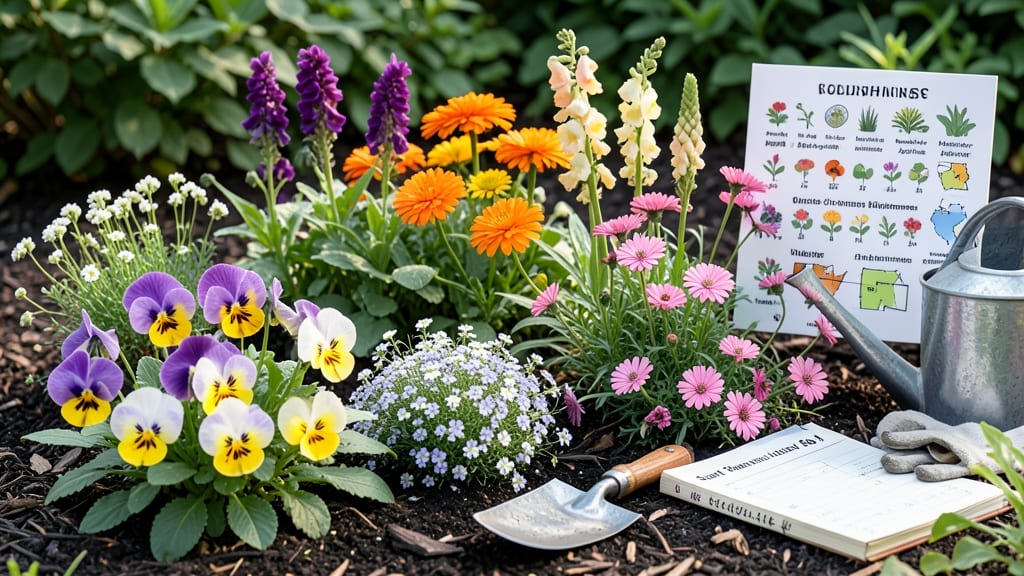
Zone 6A’s flower planting schedule is all about timing—get it wrong, and your blooms vanish before they even open.
If you’ve ever watched your favorite annuals wither overnight after a late frost, you know how brutal Zone 6A’s unpredictable spring can be. The difference between a showstopping garden and a sad, half-bloomed season often comes down to planting just a few days too early or too late.
This isn’t just about avoiding frost—it’s about working with your climate. Cool-season flowers like pansies and snapdragons thrive when planted 6 weeks before your last frost, while heat-lovers such as zinnias need to wait until soil temperatures hit 60°F. Perennials and bulbs have their own rules, too.
Below, I break down the exact months for every flower type in Zone 6A, plus 5 pro tips to stretch your blooms into fall—no frost damage required.

Zone 6A frost dates & critical flower planting months by type
Zone 6A gardeners face a short but critical window between last spring frost (typically April 15–May 1) and first fall frost (usually October 15–November 1). Timing your flower planting correctly means the difference between lush blooms and frost-burned failures.
I’ve broken down the exact months to plant annuals, perennials, and bulbs—plus which varieties thrive in Zone 6A’s unpredictable frosts.
Cool-season annuals like pansies and snapdragons can handle light frosts, while warm-season favorites (e.g., marigolds, zinnias) need soil temps above 60°F to germinate. Perennials and bulbs have their own ideal planting windows, often tied to fall soil prep or early spring emergence.
Let’s dive into the month-by-month schedule that keeps your garden blooming all season.
Pro Tip: Use row covers or cloche tunnels to extend early/late planting by 2–4 weeks. For example, I’ve planted calendulas under covers in late March and still enjoyed blooms by May—a full month earlier than usual!
| Flower Category | Planting Window (Zone 6A) | Last Frost Risk | Cold-Hardy Examples | Frost-Tender Examples |
|---|---|---|---|---|
| Cool-Season Annuals | Late March–Early May OR Late August–Mid-Sept |
Moderate (tolerates 28°F) | Pansies, Snapdragons, Sweet Alyssum | Petunias, Geraniums, Impatiens |
| Warm-Season Annuals | After May 15 (soil 60°F+) | High (damaged at 32°F) | Marigolds, Zinnias, Cosmos | Begonias, Coleus, Tropical Lilies |
| Perennials (Spring) | April–Early June | Low (established roots) | Coneflowers, Black-Eyed Susans, Lavender | Dahlias, Cannas, Tender Perennials |
| Bulbs (Fall) | September–October | Very Low (dormant) | Tulips, Daffodils, Alliums | Calla Lilies, Gladiolus |
| Perennials (Fall) | Late August–September | Moderate (new growth) | Asters, Sedum, Russian Sage | Salvias, Fuchsias |
For cool-season annuals, I start seeds indoors in February to give them a head start. By late March, hardened-off seedlings can go into protected beds (under cloches or row covers).
If you miss this window, late August is your second chance for fall blooms—just choose varieties like stock or lobelia, which handle cooler temps.
Warm-season annuals are the riskiest in Zone 6A. Wait until after May 15 to plant heat-loving varieties like sunflowers or celosia, when soil temps consistently stay above
5 Proven strategies to extend your zone 6A flower season without frost damage
Zone 6A’s unpredictable frosts can truncate your flower season faster than you can say "first frost." But with the right tactics, I’ve stretched my own bloom windows by 4–6 weeks—and I’ll show you how.
The key lies in smart timing, protective hacks, and plant selection that outsmarts Mother Nature’s chill.
Most gardeners in Zone 6A focus on last frost dates (typically April 15–May 1), but the real magic happens in the edges of the season.
Whether you’re dreaming of earlier spring blooms or late-fall color, these strategies let you beat frost damage without moving to a warmer zone. Let’s dive into the five game-changing techniques I’ve tested in my own garden.
🌱 Numbered Highlights: 5 Tactics to Stretch Your Bloom Season
- 📅 Row Covers: Deploy frost blankets to plant cool-season flowers 3 weeks earlier (e.g., pansies, snapdragons). My calendula bloomed May 10 instead of June 1!
- ☀️ Microclimates: Position late-season bloomers near south-facing walls or raised beds. My sedum thrived 2 weeks longer in a sun-warmed nook.
- 🌱 Succession Planting: Sow frost-tender annuals (like marigolds) every 2 weeks for continuous color. This trick kept my beds vibrant until October 15.
- 🌼 Late-Blooming Perennials: Prioritize coneflowers or black-eyed Susans, which rebloom after summer heat. Mine kept flowering until first frost!
- 🍂 Fall Mulching: Apply 4–6 inches of mulch in October to protect bulbs (like tulips) from early freezes. This saved my daffodils from winter heaving.
Let’s start with row covers, my #1 secret weapon for early blooms. These lightweight fabrics (like frost cloth) trap heat during the day and insulate at night. I use them to plant pansies in late March—6 weeks before the average last frost.
The secret? Remove covers during warm days to prevent fungus buildup. Pro tip: Secure edges with bricks or soil to avoid wind damage.
Next, microclimates are your unsung heroes for late-season blooms. A south-facing wall can add 5–10°F of warmth, delaying frost by 1–2 weeks. I planted sedum and asters near my brick patio last year—they kept blooming until November 1, while other gardens gave up by October 15.
Even a raised bed heats up faster, giving extra growing time for heat-loving annuals like zinnia.
For frost-tender flowers (think impatiens or begonias), succession planting is non-negotiable. Instead of one big May planting, I sow new batches every 2 weeks. This ensures continuous blooms until first frost.
Last summer, my marigolds provided nonstop color from June to October—no gaps, no sadness. Just cheerful yellow faces all season long.
Don’t overlook late-blooming perennials like coneflowers or black-eyed Susans. These tough guys thrive in Zone 6A’s heat and rebloom after summer. I’ve seen coneflowers in my garden produce second flushes in September, long after annuals have faded.
Pair them with sedum for fall color that outlasts frost.
Finally, fall mulching is your bulb’s best friend. A thick layer of straw or leaves (4–6 inches) insulates soil, keeping tulips and daffodils cozy until spring.
Last winter, my mulched daffodils pushed through snow in March, while unmulched neighbors lagged until April. Plus, mulch suppresses weeds—double win!