
Plants
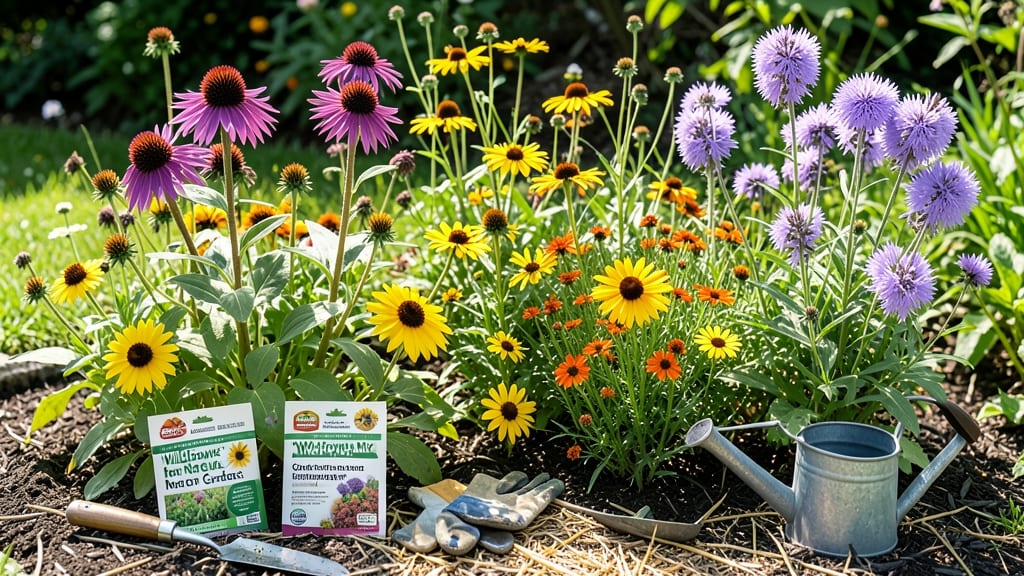
To plant wildflower seeds in Massachusetts, aim for late March through mid-October when soil temperatures stay above 50°F and frost risks fade.
Massachusetts gardeners know timing is everything—plant wildflower seeds too early, and frost ruins your dreams; too late, and invasive species take over. The ideal window is April-May for spring blooms or September-October for fall establishment, when 🌼 wildflowers get a head start before winter.
This isn’t just about aesthetics: native wildflowers feed pollinators and restore ecosystems. But skip the guesswork—your local USDA zone (5b-6b) dictates the exact dates, and coastal areas stay frost-free longer than inland spots.
Below, I break down the perfect planting schedule by month, soil prep secrets, and how to outsmart Massachusetts’ tricky microclimates for a meadow that blooms like clockwork.
Best wildflower planting months in Massachusetts by climate zone
Massachusetts spans USDA hardiness zones 5b through 6b, creating distinct microclimates from coastal Barnstable County to inland Berkshire Hills. These zones dictate your ideal planting windows—spring or fall—for wildflowers to establish roots before winter or summer heat.
Coastal areas like Provincetown enjoy 2-3 weeks earlier frost-free dates than inland Pittsfield, so timing matters.
Spring planting (after last frost date) gives annuals a head start, while fall planting (6-8 weeks before first frost) lets seeds germinate slowly for stronger roots. Perennials like Black-Eyed Susan thrive with fall sowing, while annuals such as Cosmos prefer spring.
Let’s break it down by zone for zero-frost success.
🌱 Key Tip: Always check your local frost-free date (typically mid-April to early May) and adjust planting by 2-4 weeks for coastal regions.
For zone 5b (western MA), aim for mid-April to May 15 in spring or September 1 to October 1 in fall.
Inland areas like Worcester have later frost dates, so wait until May 1 for spring planting. Zone 6b (coastal areas like Cape Cod) can start as early as late March, but avoid planting before soil warms to 50°F.
Fall planting is ideal for perennials like Purple Coneflower because cooler temps reduce weed competition. Annuals such as Sunflower seeds, however, should go in spring for summer blooms. Microclimates—like urban heat islands in Boston—can shift your window by 2-3 weeks earlier in spring and later in fall.
Soil preparation is critical: till the top 2-3 inches of soil, remove weeds, and lightly rake to create a fine seedbed. Scatter seeds thinly (follow package rates) and press them into the soil—no need to bury them deeply. Light mulch (straw or leaves) helps retain moisture during germination.
In coastal zones, salt spray can stress seedlings, so choose salt-tolerant species like Sea Lavender or Beach Heal-All. Inland gardeners should prioritize drought-resistant mixes with Goldenrod or Milkweed to thrive in drier summers. Always check seed packets for native Massachusetts blends—they’re adapted to local conditions.
Pro tip: Use a moon planting calendar for fall sowing—planting during a waxing moon (increasing light) can boost root growth. Pair your wildflower meadow with native grasses like Little Bluestem to reduce mowing and support pollinators year-round.
Remember, annuals like Zinnias
How to time your planting for zero-frost wildflower success
Timing your wildflower planting is the secret to a thriving Massachusetts meadow. Frost can kill tender seedlings, while late planting lets weeds dominate. The key? Plant when soil temps hit 50°F+ and after your last frost date.
For most of Massachusetts, this means late April to early May for spring planting, with a fall backup window in September.
Don't guess—use science! The USDA Plant Hardiness Zone Map and local weather data are your best tools. Massachusetts spans zones 5b-6b, so coastal areas like Cape Cod warm earlier than inland spots like the Berkshires.
Check your county's frost-free date (usually mid-April to late April) to avoid risking your seeds.
🌱 5 Steps to Perfect Wildflower Planting Timing
- Step 1: Find your last frost date using the Old Farmer's Almanac or USDA zone map (Zone 5b: ~April 15; Zone 6b: ~April 22).
- Step 2: Wait until soil temps reach 50°F+ (use a soil thermometer or check NOAA forecasts). Coastal areas hit this 1-2 weeks earlier than inland.
- Step 3: Plant 2-4 weeks after last frost for spring (e.g., May 1-15) or 6-8 weeks before first frost for fall (e.g., September 1-15).
- Step 4: Align with the moon's waxing phase (best for germination) or full moon (boosts root growth). Use a lunar planting calendar for guidance.
- Step 5: Scatter seeds lightly (1/8" deep) and water gently. Mulch with straw or leaves to retain moisture and deter weeds.
For extra precision, use the Massachusetts Frost Risk Calculator below. Enter your county to see your exact safe planting window. For example, Barnstable County (Cape Cod) can plant 2 weeks earlier than Franklin County (Berkshires) due to coastal warmth.
Pro tip: Fall planting (September) is often better than spring for wildflowers. Seeds germinate slowly in cool soil, avoiding summer drought stress. Plus, established roots handle first frost better. Aim for 6-8 weeks before your first frost date—most of Massachusetts hits this around October 10-20.
Remember, wildflowers love sun! Choose a site with 6+ hours of sunlight daily and well-draining soil. If your soil feels compacted, mix in compost or sand to improve aeration. Once planted, water deeply but infrequently—wildflowers hate soggy roots but thrive with drought tolerance once established.
With these steps, you'll outsmart frost and grow a pollinator paradise that blooms year after year. Happy planting—your local bees will thank you! 🌼