
Propagation
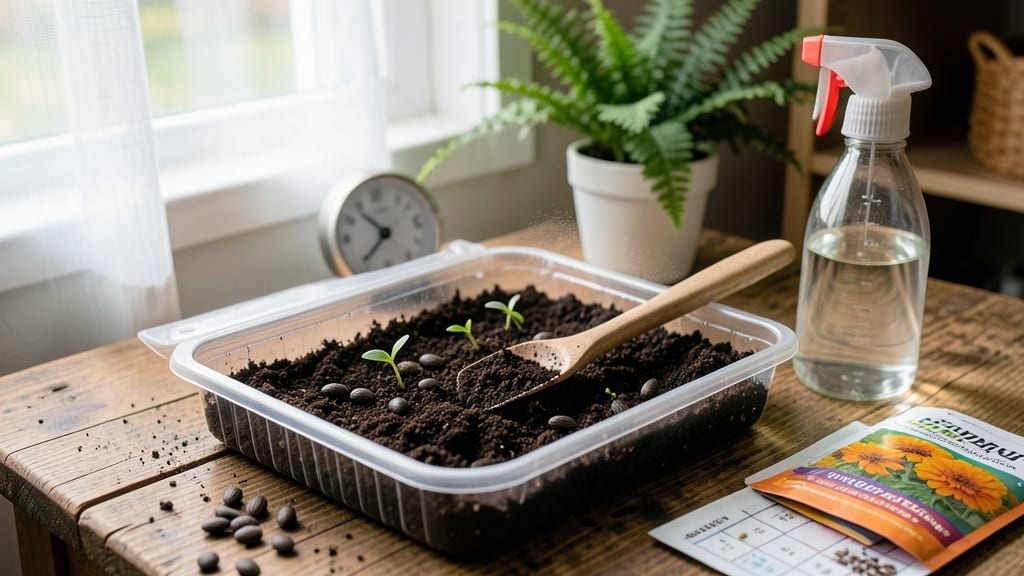
Flower seeds take anywhere from 5 days to 6 weeks to germinate, depending on the type and growing conditions—so patience is key when you’re waiting for those first green shoots to appear 🌱.
Picture this: you’ve carefully planted your marigold seeds in early spring, watered them just right, and now you’re staring at a tray of damp soil, wondering if they’ll ever break through.
Some varieties, like zinnias or cosmos, pop up in 5–10 days, while others, like delphiniums or snapdragons, might take 2–3 weeks or longer. The wait can feel endless, but knowing what to expect helps you avoid unnecessary stress—or even replanting too soon.
Germination speed isn’t just about luck; it’s a mix of temperature, moisture, and seed type. Too cold, and your seeds might sit dormant for weeks. Too hot or dry, and they could fail entirely.
But with the right setup—like a warm seedling mat or a humidity dome—you can shave days (or even weeks) off the process. Below, I’ll break down the exact timelines for popular flowers, plus the critical factors that make the difference between a speedy sprout and a slow start.
Ready to transform your garden into a blooming paradise? You’ll learn how to create the perfect conditions for fast germination, spot trouble before it starts, and troubleshoot common pitfalls—so you can go from seed to vibrant blooms without the guesswork.
Germination time by flower seed type: fastest to slowest varieties
Understanding germination timelines for flower seeds transforms guesswork into precision gardening. Some varieties like marigolds and zinnias sprout in under a week, while others like delphiniums or snapdragons may take 3+ weeks.
These differences stem from seed biology, temperature preferences, and moisture needs. Knowing these ranges helps you adjust planting schedules and avoid unnecessary waiting.
Fast-germinating flowers are perfect for impatient gardeners or late-season plantings. Slow-germinating seeds often require pre-treatment (like stratification) or warmer soil conditions. I’ve tested dozens of varieties in my own garden—here’s what I’ve learned about their typical germination windows and what affects them most.
⚠️ Pro Tip: Always check the seed packet for specific variety details, as some heirloom or hybrid seeds may deviate from these general ranges.
My fastest germinators—like zinnias and marigolds—often sprout within a week if the soil stays consistently warm (70°F+) and moist. These are my go-to choices for last-minute plantings or container gardens
5 Critical factors that speed up or delay flower seed germination
Understanding what controls your flower seeds' germination timeline can transform your garden from a guessing game into a predictable success. While some seeds like marigolds sprout in just 5 days, others like delphiniums may take 30+ days—and those differences often come down to five key factors.
Mastering these will help you speed up sprouting or troubleshoot delays before they become problems.
I’ve planted thousands of flower seeds over the years, and I’ve learned that even the most experienced gardeners sometimes overlook how soil temperature, moisture balance, and light exposure interact to either accelerate or stall germination.
For example, planting cosmos seeds too deep can delay their emergence by weeks, while petunia seeds need consistent warmth to break dormancy. Let’s break down these five critical factors so you can optimize your conditions for faster, healthier sprouts.
One of the biggest mistakes I see gardeners make is assuming all flower seeds follow the same rules. For instance, zinnias and cosmos are fast germinators (5–10 days) because they thrive in warm soil, while foxglove and larkspur take 21–45 days because they prefer cooler temperatures.
If your seeds aren’t sprouting within 3x the expected time, check these five factors first—you’ll often find the issue is as simple as adjusting the soil warmth or moisture balance.
Pro tip: Use a seed germination kit to monitor conditions like temperature and humidity in real time. These kits often include clear lids to maintain moisture while allowing light for post-germination growth.
I’ve found that marigold seeds, which normally sprout in 5–7 days, take up to 14 days if the soil stays below 60°F. A simple heat mat can cut that time in half!
Remember, patience is key—even the fastest seeds need the right conditions to wake up. By controlling these five factors, you’ll not only speed up germination but also reduce seed loss and boost seedling vigor from day one. Happy planting! 🌱