
Flowers
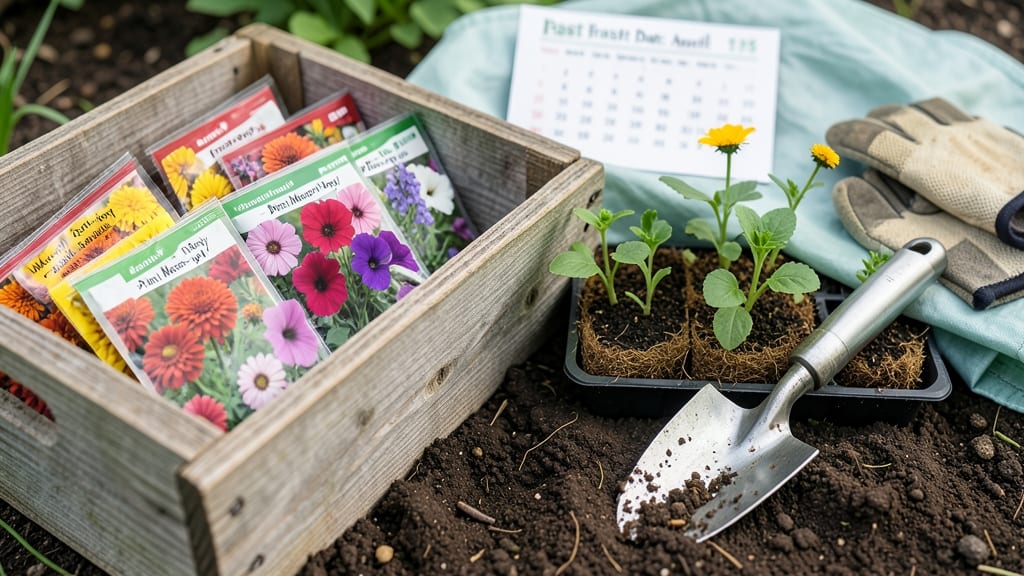
Planting flower seeds in Indiana at the right time means the difference between a garden bursting with color and a sad, frost-nipped disappointment.
Indiana’s unpredictable spring weather can turn your flower garden dreams into a gamble—but timing your flower seed planting just right ensures vibrant blooms all season long.
With Indiana’s Zone 6A climate, knowing the exact frost-free windows for each flower type is the secret to a thriving garden. Too early, and a late frost will wipe out your tender seedlings. Too late, and you miss the ideal growing window for full-season blooms.
Below, I break down the best planting months for cool-season flowers (like pansies and snapdragons) and warm-season favorites (zinnias and marigolds), plus pro tips to stretch your season without risking frost damage.
Indiana zone 6A frost dates: critical planting windows for flower seeds
Indiana’s Zone 6A climate creates a delicate balance for gardeners—too early, and frost zaps tender seedlings; too late, and summer heat stifles growth. The last frost date typically falls between April 15 and May 15, while the first frost arrives between October 15 and November 1.
Understanding these windows is key to planting flower seeds at the perfect moment for maximum blooms.
Northern Indiana counties (like LaPorte or Kosciusko) often experience frost 1-2 weeks later than southern areas (like Vanderburgh or Gibson). This means your planting schedule should adjust based on your exact location—even within the same state.
For cool-season flowers like pansies or snapdragons, timing is everything to avoid frost damage.
Here’s the game-changing data you need to plan your flower seed planting like a pro:
| Planting Window | Flower Type | Last Frost Adjustment | First Frost Risk |
|---|---|---|---|
| Early Spring (March) | Cool-season annuals (pansies, sweet peas) | Plant 4-6 weeks before last frost | High (use row covers) |
| Late Spring (April-May) | Warm-season annuals (marigolds, zinnias) | Wait until soil reaches 60°F+ | Low (safe after May 15) |
| Summer (June-July) | Heat-loving perennials (coneflowers, black-eyed Susans) | Direct sow after last frost | None (established plants) |
| Fall (August-September) | Biennials (foxgloves, hollyhocks) | Plant 8-10 weeks before first frost | Moderate (cover seedlings) |
For cool-season flowers, start seeds indoors in February or direct-sow in early March for blooms before summer heat arrives. These varieties thrive in 50-60°F soil and can handle light frosts, making them ideal for Indiana’s unpredictable springs.
Warm-season flowers like zinnias or sunflowers demand patience—wait until after the last frost date (usually mid-May) and when soil temperatures hit 60°F. Test soil with a thermometer to avoid stunted growth from cold roots.
Southern Indiana gardeners can push planting to early April, while northern areas should wait until late May.
Perennials like coneflowers or bee balm benefit from late spring planting (May-June) when roots can establish before winter. These hardy plants tolerate Indiana’s Zone 6A winters but need consistent moisture during their first growing season to thrive.
Extend your flower season by planting succession crops every 2-3 weeks. For example, sow cosmos seeds in June for late-summer blooms, then follow with marigolds in August for fall color. This strategy ensures continuous blooms from spring through frost.
Pro tip: Use row covers or cold frames to push early spring planting by 2-3 weeks. These tools create a microclimate, protecting seedlings from late frosts while accelerating growth. Just remove covers once temperatures stabilize to prevent overheating.
Monitor local forecasts via the Indiana State Climate Office for real-time updates on frost risks. Their frost prediction maps help adjust planting dates when Indiana’s weather takes unexpected turns—like the 2023 late-May frost that caught many gardeners off guard.
Remember: Soil temperature matters more than air temperature. Use a soil thermometer to confirm readiness—50°F for cool-season seeds and 60°F+ for warm-season varieties. This small step prevents wasted effort and ensures your flower seeds germinate reliably every time.
Best flowers to plant by seed in Indiana (with exact timing)
Indiana’s Zone 6A climate offers a long growing season for flower seeds, but timing is everything. Plant too early, and frost will kill tender seedlings. Wait too long, and you’ll miss peak blooms.
The key is matching each flower’s temperature preferences with Indiana’s frost-free windows—typically April 15 to May 15 for last frost and October 15 to November 1 for first frost.
For cool-season flowers like pansies and snapdragons, start seeds indoors in March or direct-sow in early April. Warm-season favorites like zinnias and marigolds thrive when planted after the last frost, usually mid-May.
Perennials like coneflowers and black-eyed Susans can handle early spring planting if the soil isn’t frozen.
🌱 Numbered Highlights: Indiana Flower Seed Planting Schedule
- 🌱 March: Start cool-season annuals (pansies, snapdragons) indoors. Plant hardy perennials (cone flowers, phlox) outdoors if soil is workable.
- 🌿 April: Direct-sow hardy annuals (calendula, sweet peas) after last light frost (usually April 15). Transplant indoor-started seeds outdoors.
- 🌞 May: Plant warm-season annuals (zinnias, marigolds, sunflowers) after May 15 when soil temps reach 60°F+. Sow late-blooming perennials (black-eyed Susans, bee balm).
- ☀️ June–July: Succession plant fast-growing annuals (cosmos, bachelor’s buttons) every 2–3 weeks for continuous blooms. Avoid planting heat-sensitive flowers (like impatiens) in peak summer.
- 🌻 August: Start fall-blooming annuals (cosmos, snapdragons) indoors for late-summer/fall color. Plant winter-hardy flowers (pansies, sweet alyssum) outdoors in late August for frost-resistant blooms.
- 🌧️ September: Direct-sow cool-season flowers (calendula, stock) for fall/winter interest. Avoid planting tender perennials (like lavender) after mid-September.
💡 Pro Tip: Test soil temps with a soil thermometer—most seeds need 50–60°F for germination.
Before planting, prep your soil by amending with 2–3 inches of compost to improve drainage and fertility. Most flowers thrive in well-draining soil with a pH of 6.0–7.0.
For annuals like zinnias, space seeds 6–12 inches apart to allow airflow and reduce disease risk. Perennials like coneflowers can be planted closer together (12–18 inches) since they’ll spread over time.
Indiana’s humid summers can stress delicate flowers, so prioritize drought-tolerant varieties like black-eyed Susans or Russian sage. Always water deeply in the morning to prevent fungal issues, and mulch around plants to retain moisture.
With the right timing and care, your Indiana garden can burst with color from spring through fall.
For a foolproof approach, keep a planting journal to track frost dates and bloom times in your specific microclimate. Adjust schedules yearly based on your observations—this is how even Indiana’s variable weather becomes an advantage for a stunning garden. 🌷