
Flowers
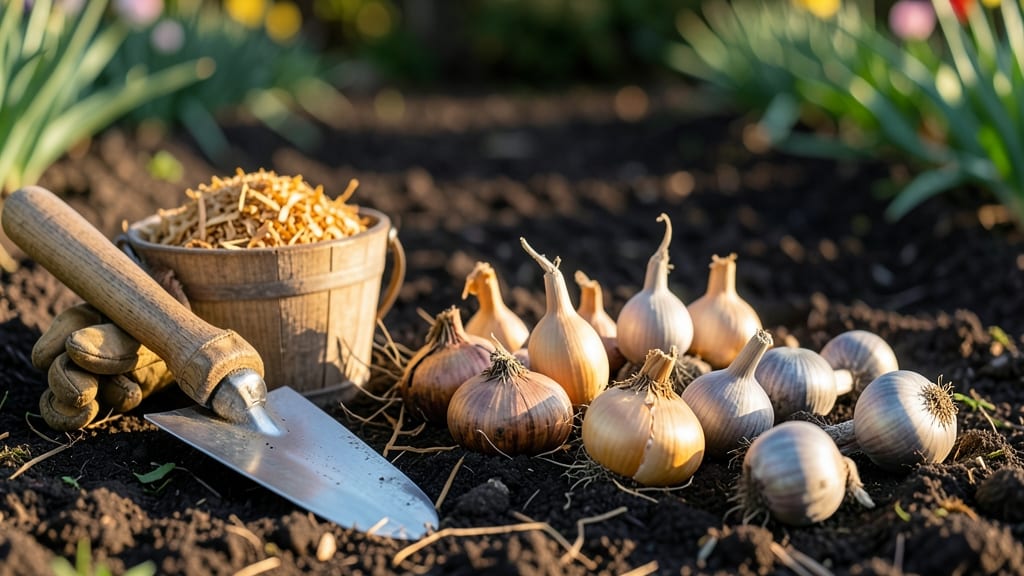
Plant flower bulbs in autumn when soil temperatures drop to 60°F (15°C), typically 6–8 weeks before the first frost—a window that transforms your garden into a springtime spectacle of 🌷.
Timing is everything when planting flower bulbs in autumn—get it wrong, and your spring blooms could vanish before they even emerge. But master the soil temperature triggers, and you’ll unlock a garden filled with vibrant tulips, daffodils, and hyacinths year after year.
In USDA Zone 6a, that usually means digging in September or early October, but cooler northern zones may shift to August, while milder southern climates can wait until November. The key? Soil warmth—not air temperature—dictates the perfect moment.
Below, I’ll break down the exact soil triggers, regional adjustments, and foolproof steps to ensure your bulbs thrive through winter and burst into bloom next spring. No more guesswork, just guaranteed results.
Autumn soil temperature triggers for perfect flower bulb planting
Planting flower bulbs in autumn isn’t just about picking a month—it’s about soil temperature. Bulbs need 60°F (15°C) soil to root before winter dormancy. Too warm, and they’ll sprout prematurely; too cold, and they’ll fail to establish.
This 60°F trigger is your golden rule for success across USDA zones 3-10, though regional microclimates tweak the timing.
Why focus on soil temperature? Bulbs like tulips and daffodils need 4-6 weeks to develop roots before frost. If planted too early, roots may rot in warm soil; too late, and they won’t anchor before winter. The 60°F mark balances these risks perfectly, ensuring roots grow without sprouting.
Here’s how to test your soil’s readiness: Use a soil thermometer (insert 4-6 inches deep) in the afternoon for the most accurate reading. In Zone 5, this usually falls in late September; in Zone 8, it might be November.
Microclimates—like sunny south-facing beds—can push timing 1-2 weeks earlier than the norm.
Regional variations matter. In northern climates (Zones 3-5), aim for 6-8 weeks before first frost. In warmer zones (Zones 7-10), plant late autumn to early winter (even January in Zone 10). The key? Soil temp, not calendar dates.
Let’s break down the ideal planting windows by USDA zone and soil temperature triggers. Use this as your guide to avoid common mistakes like planting too early in warm zones or too late in cold ones.
Microclimates can shift your planting window by 1-3 weeks. For example, a south-facing slope warms faster than a north-facing garden. Test soil temps in multiple spots—especially if you’re planting containers, which cool faster in autumn.
Pro tip: Bury your thermometer near where you’ll plant to get the most accurate reading.
What if your soil is too warm? Delay planting until temps drop. If it’s too cold, use mulch (straw or leaves) to insulate bulbs and encourage root growth. The goal is to keep soil between 50°F and 60°F (10°C-15°C) during the rooting phase.
Don’t rely on air temperature alone—soil stays 10-15°F cooler than the air. A crisp 50°F (10°C) day might still hide 40°F (4°C) soil. That’s why testing is non-negotiable. Skipping this step is the #1 reason bulbs fail to bloom.
Once you’ve nailed the 60°F soil trigger, focus on planting depth and drainage. Large bulbs (like tulips) need 6-8 inches deep, while small ones (like crocuses) only need 2-3 inches. Poor drainage? Amend soil with compost or sand to prevent rot.
Mastering soil temperature triggers turns autumn planting from guesswork into a foolproof system. With this science-backed approach, your tulips, daffodils, and hyacinths will reward you with bold, healthy blooms next spring—no matter your zone. Happy planting! 🌷
Best flower bulbs to plant by autumn month (Zone-specific guide)
Autumn is the perfect time to plant flower bulbs for stunning spring blooms, but timing varies dramatically by USDA zone. In colder regions like Zone 3-5, you’ll need to plant as early as September, while warmer Zone 9-10 gardens can wait until November.
The key is planting when soil temperatures drop below 60°F (15°C)—this triggers root growth before winter dormancy.
For Zone 6-8, aim for mid-October planting, giving bulbs time to establish roots before frost. In Zone 4 and colder, start in September to avoid early freezes, while Zone 7-8 can extend planting until November.
Always check your last frost date and plant 6-8 weeks before it arrives.
| Month | USDA Zones | Best Bulbs | Notes |
|---|---|---|---|
| September | 3-7 | Tulips, Daffodils, Crocuses, Hyacinths | Plant early to avoid frost |
| October | 4-8 | Alliums, Snowdrops, Muscari, Fritillaria | Ideal for most regions |
| November | 9-10 | Daffodils, Crocuses, Miniature Tulips | Late planting for mild winters |
In Zone 3-5, prioritize hardy bulbs like daffodils and crocuses, which tolerate cold soil and early freezes.
These bulbs thrive when planted in September, giving them time to develop roots before winter. Tulips, while beautiful, need slightly warmer soil, so plant them in late September to avoid rot.
For Zone 6-8, October is your sweet spot. This window allows alliums, grape hyacinths, and fritillaria to establish roots without rushing.
In Zone 9-10, where winters are mild, you can plant daffodils and miniature tulips as late as November, but avoid planting after the first frost—even light freezes can damage tender bulbs.
Pro tip: Use a soil thermometer to confirm temperatures are below 60°F (15°C) before planting. In Zone 4-6, this usually aligns with mid-October, while Zone 7-8 may need to wait until late October. Always plant bulbs 3x deeper than their height for stability and protection.
Don’t forget to mulch after planting! A 2-3 inch layer of straw or shredded leaves insulates bulbs from temperature swings and keeps soil moist. This is especially critical in Zone 3-5, where winter temperatures can drop below 20°F (-7°C).
With the right timing and care, your autumn-planted bulbs will reward you with vibrant spring blooms year after year. 🌷