
Flowers
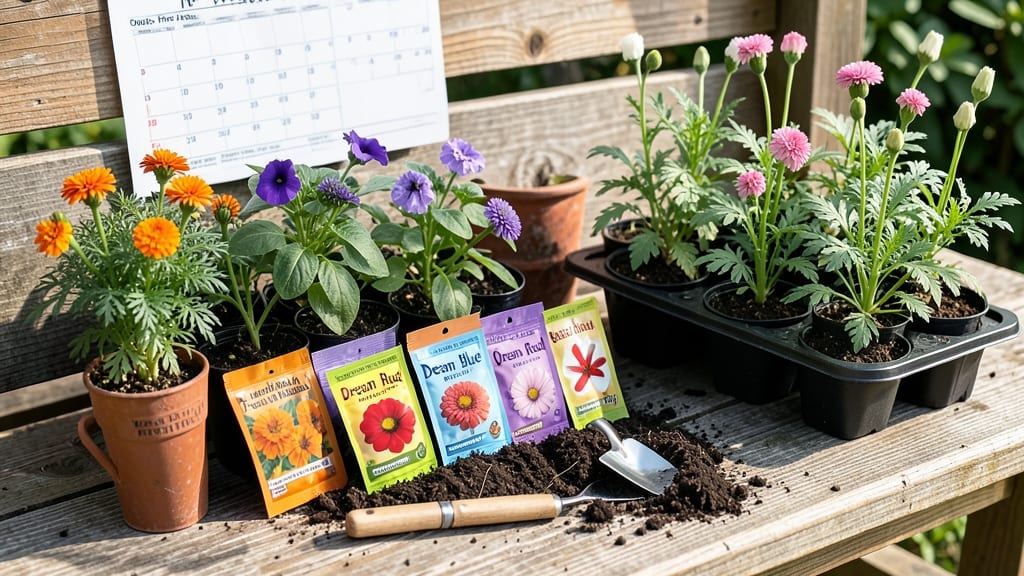
Planting flower seeds in Ohio at the right time means the difference between a garden bursting with color and one that never quite takes off.
Ohio’s unpredictable frost dates can turn your dream garden into a frozen disaster—but timing your flower seeds perfectly ensures vibrant blooms all season long.
Whether you’re sowing annuals like marigolds in spring or perennials like coneflowers in early summer, getting the timing right depends on your zone (most of Ohio is 6a), soil temperature, and even your local microclimate.
Below, I break down the exact planting windows for Ohio’s most popular flowers, plus pro tips to avoid common mistakes and maximize your blooms from spring to fall.
Ohio’s frost dates and best flower seed planting months by region
Ohio’s USDA zones 5a-6b create dramatic differences in frost timing—northern areas like Toledo face last frosts in late May, while southern regions like Cincinnati average mid-April. These shifts mean your annuals vs. perennials need precise timing to thrive.
I’ll break down month-by-month planting windows tailored to Ohio’s microclimates, so you can avoid frozen seedlings or bolting heat-sensitive blooms.
First, know your average frost dates by region: Northern Ohio (zones 5a-5b) typically sees its last frost around May 15, while Southern Ohio (zones 6a-6b) warms up by April 15. These dates dictate when to start cool-season flowers like pansies outdoors versus warm-season favorites such as zinnias.
For example, marigolds in zone 6b can go in the ground by May 1, but in zone 5a, wait until May 20.
Here’s the critical rule: Soil temperature must reach 60°F before planting heat-loving seeds like sunflowers or cosmos. Use a soil thermometer—cold soil stunts growth.
In northern Ohio, this often means waiting until late May, while southern gardeners can start cosmos seeds outdoors in early April under row covers for a head start.
Perennials like black-eyed Susans or coneflowers can handle Ohio’s early spring sowing (March-April), but annuals like petunias need warmer soil. My trick? Start petunia seeds indoors in February for zone 5a, then transplant after the last frost. This extends your blooming season by 6-8 weeks compared to direct sowing.
Direct sowing vs. indoor starts changes everything in Ohio. For cool-season annuals (pansies, snapdragons), sow seeds outdoors 4-6 weeks before last frost—that’s March 15-April 1 in most regions. For warm-season annuals (marigolds, zinnias), wait until 2 weeks after last frost or use black plastic mulch to warm soil faster.
🌱 Regional adjustments matter: In urban heat islands like Columbus, soil warms 1-2 weeks earlier than rural areas. Monitor your local Almanac frost dates and adjust by 10-14 days if your yard stays warmer.
For example, zinnias can go in April 20 in Columbus but wait until May 5 in rural Appalachian Ohio.
Here’s your Ohio flower seed planting calendar by region, including heat-tolerant varieties for southern Ohio and cold-hardy picks for northern areas: