
Plants
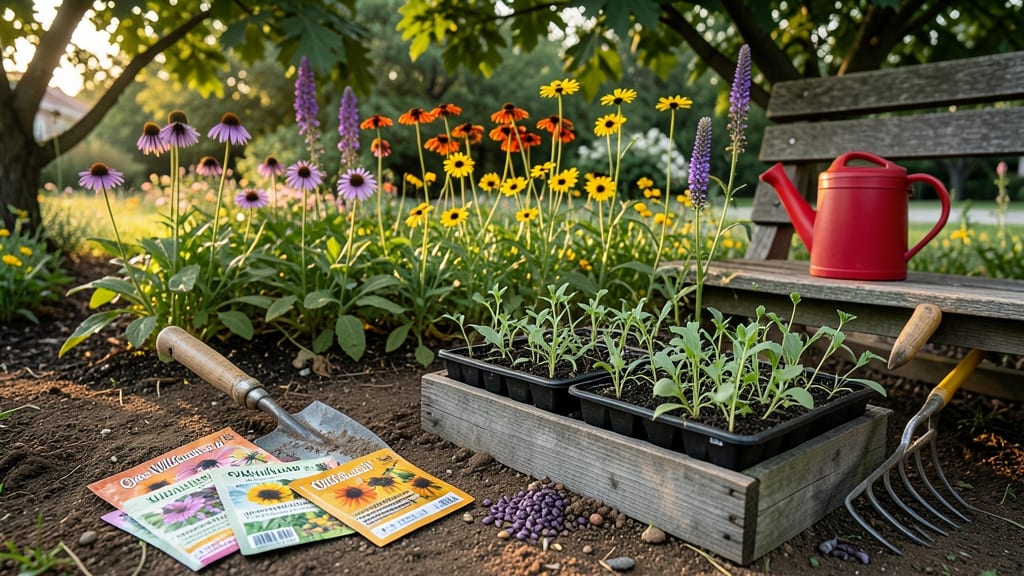
Planting wildflower seeds in Ohio at the right time ensures vibrant blooms and thriving pollinator habitats 🌼 — aim for early spring or early fall when soil temperatures and frost risks align.
Ohio’s unpredictable frost cycles can make or break your wildflower meadow—planting at the wrong time means wasted seeds or stunted blooms. But timing it right guarantees vibrant pollinator-friendly gardens year after year.
Spring planting works best between March and April, when soil warms but frost threats linger, while fall offers a second chance from September to October—just before the ground freezes. Both windows let seeds establish roots before harsh weather arrives.
Below, I’ll break down the ideal months for your USDA 6a zone, soil prep tips, and how to avoid common mistakes that turn hopeful gardeners into frustrated seed-scatterers.
Ohio wildflower planting calendar: best months for spring vs fall success
Ohio’s USDA zones 5-7 create a unique challenge for wildflower enthusiasts—spring planting risks late frosts, while fall planting must avoid winter dormancy too soon. The key?
Understanding your last frost date (typically mid-April) and first frost date (usually mid-October) to align with native species like black-eyed susans and eastern coneflowers, which thrive when planted in the optimal 4-6 week window before winter sets in.
For spring planting, focus on March through early May—but only after soil temperatures consistently stay above 40°F. This timing gives seeds time to germinate before summer heat arrives.
Meanwhile, fall planting (late September through November) allows seeds to cold-stratify naturally, mimicking their native conditions and boosting early spring growth. Both methods work, but your choice depends on your microclimate and pollinator goals.
Comparison-Table for Ohio Wildflower Planting Timing:
| Planting Window | Best Months | Soil Temp Requirement | Key Species | Pollinator Benefit |
|---|---|---|---|---|
| Spring Planting | March–Early May | 40°F+ consistently | Black-eyed Susan, Coneflower, Butterfly Weed | Early summer blooms for bees |
| Fall Planting | Late Sept–Nov | 50°F+ (before frost) | Milkweed, Goldenrod, Aster | Late summer/fall blooms for butterflies |
| Winter Sowing | Dec–Feb | Natural freeze-thaw cycles | All natives (stratified) | Extended bloom season |
If you’re planting in spring, prioritize annual wildflowers like cosmos or zinnia for quick color, while perennials such as coneflowers need the 6-8 week head start before summer heat.
For fall planting, focus on native perennials that establish roots before winter—think milkweed (critical for monarchs) or goldenrod, which thrives in Ohio’s clay soils. Pro tip: Scatter seeds lightly—they need light to germinate—and avoid burying them deeper than 1/4 inch.
Ohio’s northern zones (5a/5b) favor late spring planting (after April 15) to dodge frost, while southern zones (6a/7a) can start as early as mid-March.
Check your local frost dates (via Old Farmer’s Almanac) and adjust by 2-3 weeks if you’re in a microclimate like a river valley or hilltop. For cold-stratified seeds, like milkweed, plant in fall—they’ll germinate faster in spring because they’ve already experienced winter’s chill.
One game-changer for Ohio gardeners? Winter sowing—planting seeds in December-February using milk jugs or mesh bags. This mimics natural stratification and extends your planting window. Place containers in a protected spot (like under a porch) and let freeze-thaw cycles do the work.
By April, you’ll have jumping seedlings ready for transplanting, giving you a 2-month head start on neighbors who wait for spring.
For maximum pollinator impact, mix early bloomers (like wild bergamot) with late-season stars (such as New England aster). Early spring plantings will feed bees emerging from hibernation, while fall-planted species support butterflies migrating south.
Aim for a diverse mix—Ohio’s 1,000+ native wildflower species offer endless combinations, but even a 50/50 mix of annuals and perennials delivers stunning results.
Finally, don’t overlook soil prep. Wildflowers thrive in well-draining soil, so till or aerate
5 Critical factors that determine Ohio wildflower planting timing
Ohio’s wildflower success hinges on more than just picking a season—it’s about understanding microclimates, seed biology, and pollinator needs. Northern Ohio’s USDA Zone 5 demands earlier planting than southern Ohio’s Zone 7, but both regions share key timing rules.
Let’s break down the five critical factors that separate thriving meadows from failed attempts.
First, soil temperature is your best friend. Wildflower seeds need consistent warmth (at least 50°F) to germinate. In spring, this usually means waiting until mid-April in southern Ohio or late April in the north.
For fall planting, aim for late September—early enough for roots to establish before winter, but late enough to avoid premature germination.
- Soil Temperature: Wait until soil reaches 50°F+ (use a soil thermometer for accuracy). Spring: mid-April (south) or late April (north). Fall: late September.
- Frost Forecasts: Plant 2-3 weeks before the last spring frost (avg. April 15) or 4-6 weeks before the first fall frost (avg. October 15). Check NOAA’s frost maps for local adjustments.
- Seed Type: Annuals (e.g., cosmos) germinate faster—plant early spring. Perennials (e.g., coneflowers) need fall planting for natural cold stratification.
- Pollinator Needs: Early bloomers (bee balm) thrive with spring planting. Late bloomers (goldenrod) benefit from fall establishment to avoid summer drought stress.
- Zone Adjustments: Northern Ohio (Zone 5): Delay spring planting by 1-2 weeks. Southern Ohio (Zone 7): Extend fall planting to early November if soil stays warm.
Next, frost forecasts can’t be ignored. Ohio’s last spring frost typically arrives around April 15, but northern counties like Ashtabula often see frost into May. Plant annual wildflowers like sunflowers 2-3 weeks before this date to give seedlings a head start.
For fall, aim to finish planting 4-6 weeks before the first frost (usually October 15), giving roots time to anchor before winter.
Don’t overlook seed type—it dictates your entire strategy. Annual wildflowers, such as black-eyed Susans or cosmos, germinate quickly and should be planted in early spring (March-April) for summer blooms. Perennials, like coneflowers or milkweed, require fall planting to undergo natural cold stratification, a process that mimics winter conditions and breaks seed dormancy.
Pollinators also play a pivotal role in timing. Early bloomers like bee balm or lupine need to emerge in late spring to feed honeybees and bumblebees as they wake up. Plant these in early spring or late fall for a jumpstart.
Late bloomers, such as goldenrod or aster, support fall-active pollinators like sweat bees—plant these in early fall to ensure they’re established before winter.
Finally, zone-specific adjustments make all the difference. In northern Ohio (Zone 5), delay spring planting by 1-2 weeks to avoid late frosts. Southern Ohio (Zone 7) gardeners can push fall planting into early November if soil temperatures stay above 50°F.
Always check local frost dates and microclimate conditions—a sheltered south-facing slope may support earlier planting than an exposed hilltop.
Master these five factors, and your Ohio wildflower garden will reward you with vibrant blooms and thriving pollinators for years to come. Happy planting! 🌼