Planting
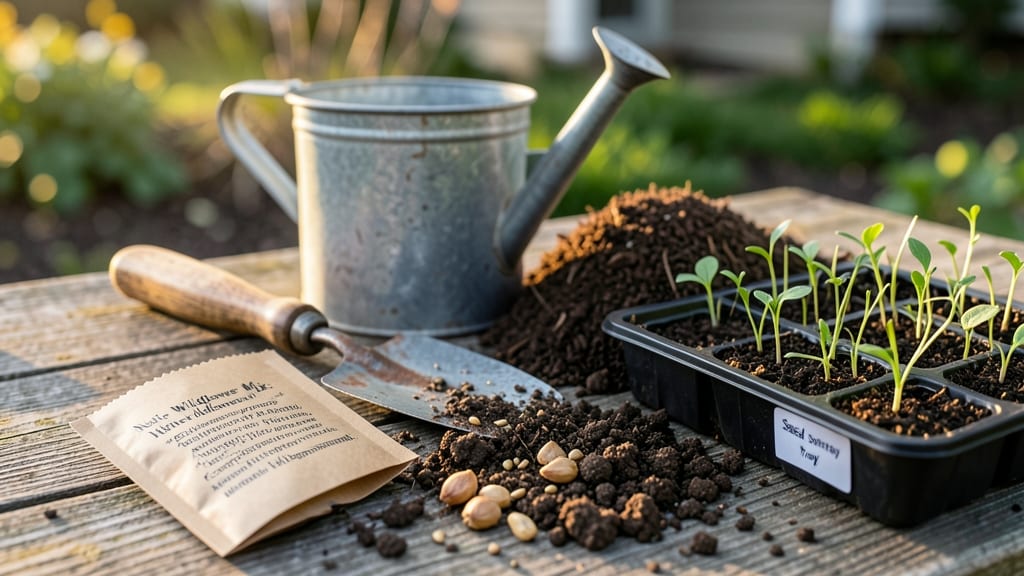
Planting native wildflower seeds at the right time ensures vibrant blooms and thriving meadows 🌼—aim for early spring or fall, when soil temperatures and moisture align perfectly for germination.
Picture this: you’ve scattered seeds in late summer, hoping for a burst of color next spring, only to find sparse, struggling sprouts. That’s what happens when timing is off. The key to success lies in understanding your local climate and frost dates.
Most regions in the USDA Zone 6a (like where I garden) thrive with fall planting, letting seeds establish roots before winter. Warmer zones may prefer early spring, while cooler areas can even try winter sowing.
I’ll break down the best months for your area and how to adjust for drought or heavy rain.
By the end, you’ll know exactly when to plant for peak bloom success, plus pro tips to avoid common pitfalls like overwatering or planting too deep. Let’s get those wildflowers growing!
USDA Zone planting calendar for native wildflower seeds by region
Timing your native wildflower seeds correctly is the secret to a thriving meadow. Fall planting in cooler zones (3-7) gives seeds time to establish roots before winter, while spring planting works best in warmer regions (8-11).
Regional microclimates—like the Pacific Northwest’s mild winters or the Southeast’s humid summers—require special timing adjustments to avoid drought stress or fungal issues.
Most native wildflowers need 60-90 days of consistent moisture after planting. In USDA Zones 3-6, aim for late August to October to let seeds germinate before frost. Zones 7-11 benefit from early spring (February-March) or fall (September-November) plantings to escape summer heat.
🌱
In USDA Zones 3-4, focus on late summer to fall planting to ensure seeds germinate before the ground freezes. Cold stratification (mimicking winter chilling) is often required for northern natives like black-eyed Susans or coneflowers.
Store seeds in a damp paper towel in the fridge for 4-6 weeks before planting.
Zones 5-6 offer flexibility with fall or spring planting, but prioritize September-October to avoid summer drought. In the Pacific Northwest, extend fall planting to November—cool, wet winters create ideal germination conditions. Always check local frost dates to time planting 6-8 weeks before the first expected frost.
For Zones 7-8, spring planting (February-March) is ideal for annual wildflowers like cosmos, while perennials such as bee balm thrive with fall planting. The Southeast’s humid climate demands planting after the last frost to prevent fungal diseases.
In Zone 9-10, avoid summer planting—opt for winter (January-February) or fall (October-November) to escape heat stress.
In Zone 11, where frost is rare, plant year-round but time it with rainy seasons. Hawaii’s winter rains (October-December) are perfect for germination, while February-March offers dry conditions for easier seedbed prep. Always water lightly after planting to keep seeds moist until germination.
Regional exceptions matter! For example, California’s coastal zones (like Zone 9b) can plant in winter, while inland areas should wait for spring. Similarly, the Deep South (Zone 8a) may plant as early as January, but Zone 7b gardeners should wait until March to avoid late frosts.
Pro tip: Use a seed mat or lightweight mulch to protect newly planted seeds from wind and erosion. In drought-prone areas, plant in fall to let roots establish before summer dry spells. Always monitor soil moisture—consistent dampness (not soggy) is key for germination.
☀️
Best wildflower seed types and their ideal planting times
Choosing the right wildflower seed types is just the first step—timing your planting makes all the difference for vibrant blooms. Annuals like cosmos thrive with spring planting, while perennials such as black-eyed Susan benefit from fall preparation.
Even native seeds often need cold-stratification to break dormancy, so understanding these differences ensures your meadow succeeds. For drought-prone areas, adjusting timing can prevent seedling stress during dry spells.
Biennials like foxglove follow a two-year cycle, requiring early fall planting to establish roots before winter. Meanwhile, perennials like coneflower can handle both spring and fall sowing, but fall planting often leads to stronger root systems.
Annuals, however, demand precise timing—plant too early, and they bolt; too late, and they won’t bloom before frost. Let’s break down the best planting windows for each type and how to adapt for your climate.
For native wildflower seeds, cold-stratification is key—especially in warmer climates. Store seeds in a damp paper towel in the fridge for 4-8 weeks before planting. This mimics winter conditions and tricks seeds into germinating.
In drought-prone areas, aim for fall planting so roots establish before summer heat arrives. For example, milkweed (critical for monarchs) thrives when sown in September, while goldenrod can handle spring or fall.
Adjust your schedule based on your USDA zone. In zones 3-5, fall planting is ideal—seeds germinate in spring when soil warms. Zones 6-9 can plant in early spring or late fall, but avoid summer heat.
For zones 10-11, focus on winter sowing or use shade cloth to protect seedlings. Always check your local last frost date—planting too early can lead to frost damage, while waiting too long may delay blooms.
Pro tip: If you’re in a drought-prone area, mix seeds with compost or mulch to retain moisture. Water deeply once a week after planting, then taper off as seedlings establish. Native wildflowers often need less water once mature, but young plants are delicate.
By matching your planting timing to the seed type and climate, you’ll create a low-maintenance meadow that thrives year after year.