Plants
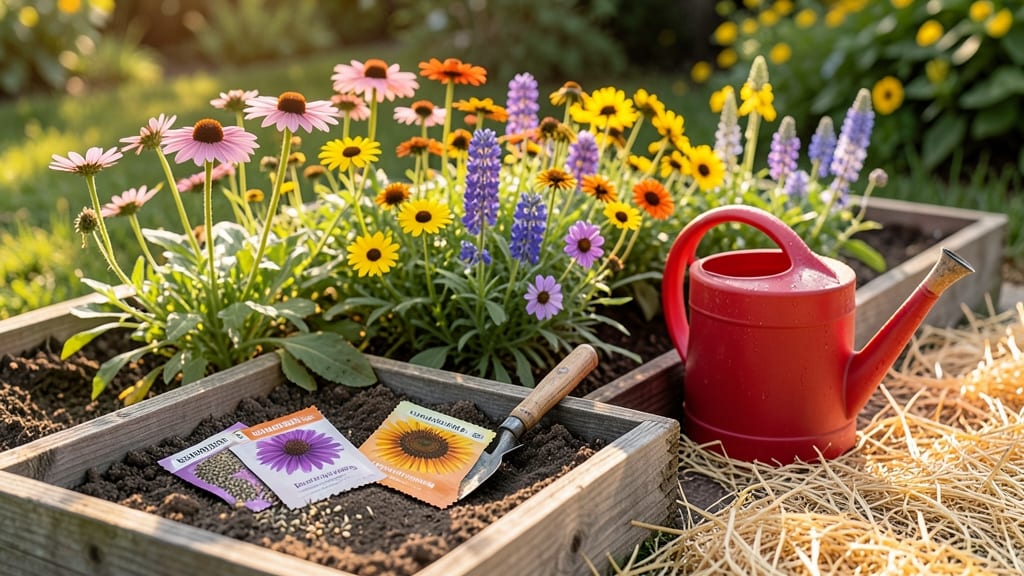
Planting wildflower seeds in NY at the right time ensures vibrant blooms from spring to fall, with two ideal windows that work for your USDA zones 5b-7b.
New York’s unpredictable climate can make wildflower gardening tricky—but timing your plantings right ensures vibrant blooms year after year. Whether you’re restoring a meadow or adding pollinator-friendly color, knowing the perfect months makes all the difference.
Spring planting (March-April) gives wildflowers like black-eyed susan and coneflower a head start, while fall (August-September) takes advantage of cooler temps and winter moisture. Both methods work, but Upstate NY’s shorter growing season demands slightly earlier timing than NYC.
Below, I break down the best months for each region, soil prep tips to boost germination, and how to choose seeds that thrive in your microclimate—so you can enjoy year-round color with minimal effort.
Best months to plant wildflower seeds in NY: spring vs fall comparison
New York’s climate presents unique challenges for wildflower enthusiasts, with Upstate regions experiencing colder winters and NYC areas battling heat islands. The key to success lies in understanding soil temperature thresholds and frost cycles that differ dramatically between seasons.
For most wildflowers, spring planting (March-April) and fall planting (August-September) offer the best chances for establishment, but timing varies by species and location.
Annual wildflowers like cosmos and zinnia thrive when sown after the last frost, typically mid-April in most of NY. Perennials such as black-eyed Susan and coneflower, however, benefit from fall planting because cooler temperatures encourage root growth before winter dormancy.
This seasonal contrast creates a delicate balance that gardeners must master to achieve year-round blooms.
Soil temperature is your most reliable guide—aim for 40-50°F for spring plantings and 50-60°F for fall. In Upstate NY, where winters are harsher, fall planting should occur by early September to allow roots to establish before frost. Meanwhile, NYC’s urban heat can extend the planting window into late September, but seeds must be in the ground at least 6 weeks before first frost (usually mid-October).
Here’s how the two planting windows compare:
| Factor | Spring Planting (March-April) | Fall Planting (August-September) |
|---|---|---|
| Ideal Soil Temp | 40-50°F | 50-60°F |
| NYC Last Planting Date | April 30 | September 20 |
| Upstate Last Planting Date | April 15 | September 1 |
| Best For | Annuals, fast bloomers | Perennials, deep roots |
| Frost Risk | High (late frosts) | Moderate (early frosts) |
| Watering Needs | Frequent (dry springs) | Moderate (cooler temps) |
| Germination Time | 2-4 weeks | 3-6 weeks |
Spring planting offers the advantage of immediate summer blooms from annuals like sunflowers and marigolds, but requires vigilance against late frosts. I’ve seen cosmos seeds emerge in May only to be nipped by a surprise frost in early June—always have row covers ready!
Fall planting, on the other hand, gives perennials like bee balm and butterfly weed a head start on root development, resulting in more robust plants the following year.
For Upstate NY gardeners, where winters are more severe, I recommend focusing on fall plantings for perennials and late spring plantings (after May 1) for annuals.
In NYC’s warmer microclimates, you can push fall plantings into late September and even experiment with winter sowing for hardy species like wild bergamot. The key is monitoring soil temperatures—use a simple soil thermometer to confirm conditions are right before sowing.
One common mistake I see is planting too early in spring when soils are still cold and wet. Wildflower seeds need consistent moisture but can rot if planted in waterlogged conditions.
Aim to sow when soils are workable but not soggy, typically when daytime temperatures consistently reach 50°F. For fall plantings, wait until at least 6 weeks before first frost—this gives seeds time to germinate and establish before winter sets in.
Native wildflowers like purple coneflower and goldenrod are particularly well-suited to NY’s climate when planted in late summer. These perennials develop deep roots during fall, making them drought-resistant once established.
I’ve had the best success with mixed wildflower blends that include both annuals and perennials—this ensures continuous blooms from early summer through fall.
If you’re restoring a meadow, consider stratifying seeds (mimicking winter conditions) for species like wild indigo, which require cold stratification to germinate. Simply mix seeds with moist sand and
How to prepare your NY garden bed for wildflower success
New York’s varied climate and soil conditions demand careful garden bed prep before sowing wildflower seeds. Whether you’re planting in Upstate NY’s cooler zones or NYC’s urban heat islands, proper soil prep ensures strong germination and vibrant blooms.
The key? A well-draining, weed-free bed with the right sun exposure—and timing your soil work to NY’s seasonal shifts.
Start by clearing the area of existing vegetation, including weeds and grass. Use a sharp shovel or broadfork to turn the soil 6-8 inches deep, breaking up compacted layers.
This step is critical in NY, where clay-heavy soils (common in Upstate) or urban concrete remnants (in NYC) can suffocate young wildflower roots. Work the soil when it’s damp but not muddy—ideally in early spring (March-April) or late summer (August-September).
🌱 Step-by-Step NY Garden Bed Prep for Wildflowers
- 1 Test Soil pH: Aim for 6.0-7.0. NY’s acidic soils (common in pine forests) or alkaline soils (near limestone) may need amendments like lime (to raise pH) or sulfur (to lower pH). Use a digital pH meter or send a sample to Cornell Cooperative Extension.
- 2 Remove Weeds & Debris: Pull weeds by hand or use a hula hoe to avoid disturbing soil structure. In urban areas, check for concrete fragments or asphalt debris that could hinder drainage. For large areas, smother weeds with cardboard + mulch 2 weeks before planting.
-
3
Choose Sun/Shade Exposure:
- Full Sun (6+ hrs/day): Best for black-eyed susan, coneflower, and bee balm. Ideal for Upstate meadows or NYC rooftops with southern exposure.
- Partial Shade (3-6 hrs/day): Suits wild bergamot or coreopsis. Common in woodland edges or urban courtyards with tree shade.
-
4
Amend Soil for NY Conditions:
- Clay Soil (Upstate): Mix in compost (2-3 inches) + sand to improve drainage.
- Sandy Soil (Long Island): Add peat moss or coco coir to retain moisture.
- Urban Soil (NYC): Blend in topsoil + worm castings to detoxify from contaminants.
-
5
Scarify or Rake Seeds:
- Spring Planting: Lightly rake soil to create fine furrows (1/4 inch deep). Scatter seeds and press gently with a board.
- Fall Planting: Use a garden rake to create a rough surface—this helps seeds overwinter safely.
- 6 Mulch Lightly: Apply straw mulch (1 inch thick) to retain moisture and suppress weeds. Avoid thick mulch, which can smother seeds. In dry Upstate areas, mulch helps