
Plants
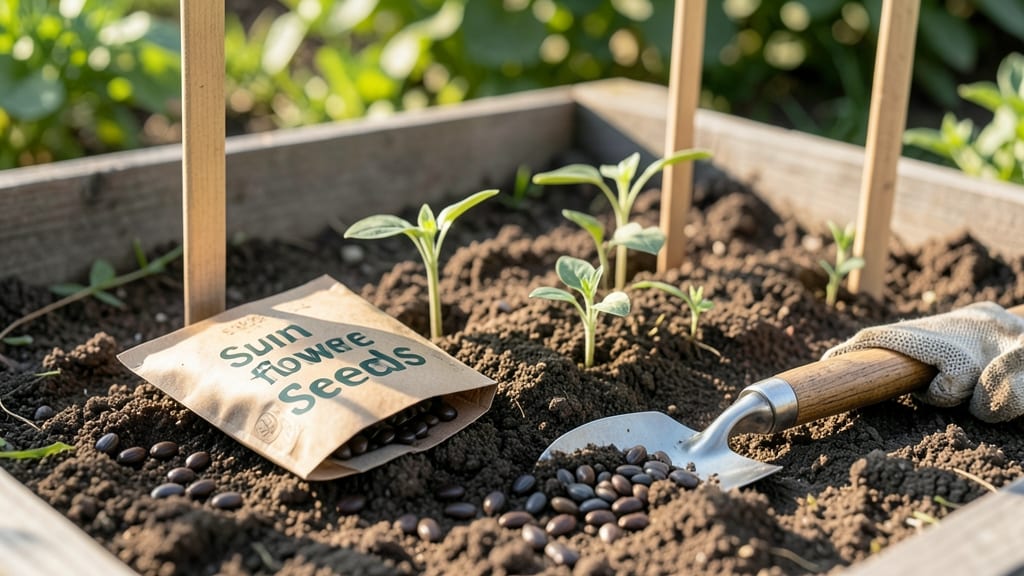
Planting sunflower seeds in Michigan after the last frost date — typically mid-April — is the key to fast germination and those towering 🌻 blooms you dream of.
Michigan gardeners know timing is everything when planting sunflowers—and getting it wrong can mean the difference between towering blooms and wilted disappointment. But with Michigan’s unpredictable spring, how do you know when those seeds are ready for the soil?
Most Michigan regions hit the ideal soil temperature of 50°F or warmer by late April, but frost pockets in the Upper Peninsula may need to wait until early May. The trick is checking soil warmth, not just the calendar.
Below, I’ll break down the exact window for your zone, how to test soil readiness, and the fastest-growing varieties that beat Michigan’s short season. Ready to grow sunflowers that reach for the sky?
Michigan sunflower planting calendar: soil temperature triggers for fast germination
Sunflowers thrive in Michigan’s Zone 5b-6b climate, but their 50°F+ soil temperature requirement makes timing critical. Planting too early risks frost damage, while waiting too long can stunt growth.
The key? Monitoring soil warmth—not just air temperature—using a simple soil thermometer. This ensures fast germination and robust stems ready for Michigan’s late-spring frosts.
Michigan’s Upper Peninsula and Lower Peninsula have different frost-free windows. The Lower Peninsula typically sees its last frost around April 15, while the UP may wait until May 1.
However, soil temperature lags behind air temperature, so don’t rush—wait until the ground consistently stays above 50°F for 3+ days.
Here’s how to test soil readiness: Insert a soil thermometer 2 inches deep in your garden bed. Check readings in the morning and evening for 3 consecutive days.
If temps hover around 55-60°F, your sunflower seeds are ready to go. This method beats guessing and aligns with Michigan’s historical germination data.
Pro tip: Use black plastic mulch to warm soil faster if you’re eager to plant early. Lay it down 1-2 weeks before your target date to create a microclimate that speeds up soil heating. Just remove it once seeds sprout to avoid overheating.
For direct sowing, aim for mid-April to early June in most of Michigan. In colder northern regions (like the UP), push planting to late May to avoid early frosts. If you’re growing tall varieties (like ‘Russian Giant’), prioritize earlier planting for full maturity before frost.
Here’s a quick reference for Michigan’s regional planting windows based on soil temperature triggers:
If you’re unsure about your local frost dates, check the Michigan State University Extension’s frost maps or use a frost calendar app. For example, Traverse City (Lower Peninsula) averages its last frost on April 10, while Marquette (UP) typically sees frost until May 5.
Adjust your planting date accordingly.
For fast germination, soak seeds overnight before planting. This trick can shave off 2-3 days of sprouting time—a huge advantage in Michigan’s short growing season. Plant seeds 1 inch deep and 6 inches apart, then thin seedlings to 12-18 inches apart once they’re 4-6 inches tall.
Remember: Sunflowers are drought-tolerant once established, but they need consistent moisture during germination. Water gently after planting to keep soil evenly moist until sprouts appear. Avoid overhead watering to prevent fungal diseases like powdery mildew, which thrives in Michigan’s humid summers.
By aligning your planting with soil temperature triggers and regional frost data, you’ll maximize your sunflowers’ potential for tall, vibrant blooms—even in Michigan’s unpredictable climate. Happy planting! 🌻
Sunflower planting mistakes in Michigan: when to avoid direct sowing (and what to do instead)
Michigan’s unpredictable spring frosts can turn eager sunflower seedlings into sad, frozen memories if planted too early. Many gardeners make the mistake of sowing seeds as soon as the soil feels warm, only to watch their progress stall or die when nighttime temperatures dip below 40°F.
Even worse, planting too late risks stunted growth before the first frost hits in October.
Direct sowing isn’t always the best approach in Michigan’s Zone 5-6 climate. While sunflowers are hardy once established, their germination speed slows dramatically in cool soil. Waiting until the soil reaches 50°F+ is critical, but even then, late-May plantings may not mature before frost.
The solution? Strategic alternatives like protected sowing or staggered plantings to extend your blooming window.
Direct Sowing in Michigan
- No transplant shock
- Lower upfront cost
- Direct adaptation to local soil
- Risk of frost damage if planted too early
- Slower germination in cool soil (below 50°F)
- Limited time to mature before first frost
Protected/Alternative Methods
- Faster germination with black plastic mulch (warms soil)
- Extended growing season with staggered plantings
- Seedling starts reduce frost risk
- Higher initial cost for mulch or seed trays
- Requires more space management for starts
- Transplanting may cause temporary stress
One of the simplest fixes is using black plastic mulch to warm the soil faster. Lay it down 1-2 weeks before planting to raise soil temperatures by 5-10°F, accelerating germination.
For even better results, combine mulch with staggered sowings every 2 weeks from late April through early June. This ensures a continuous harvest window from July through September.
If you prefer seedling starts, begin indoors under grow lights 4-6 weeks before your last frost date (typically mid-April). Use biodegradable pots to avoid root disturbance when transplanting outdoors.
Harden off seedlings for 7-10 days before moving them to the garden, and plant them after Memorial Day when nighttime temps stay above 50°F consistently.
For gardeners in Michigan’s northern regions (Zone 5b), focus on early-maturing varieties like ‘Teddy Bear’ (56 days) or ‘Moulin Rouge’ (60 days). These tolerate cooler soils better and still produce vibrant blooms before frost.
In the southern Lower Peninsula (Zone 6a), you can afford slightly later plantings and taller varieties like ‘Russian Giant’ (120+ days), but use mulch to protect against late-season frosts.
Remember: Sunflowers hate wet feet, so always plant in well-draining soil and avoid overwatering. The key to Michigan sunflower success isn’t just timing—it’s adapting your method to your microclimate.
Whether you choose direct sowing with mulch or seedling starts, the right approach will reward you with golden blooms that brighten even the grayest Michigan summer days. 🌻