
Plants
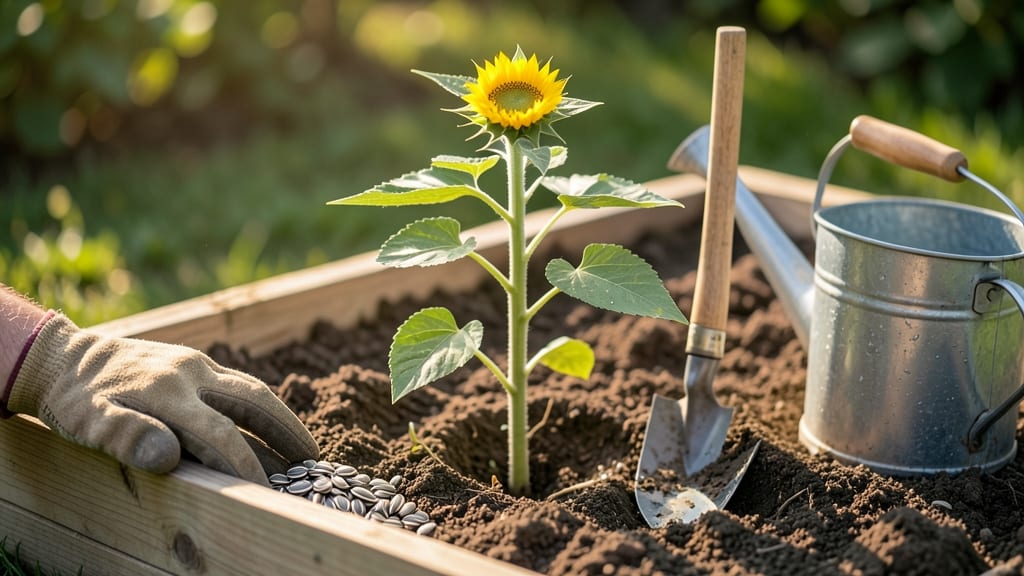
Planting sunflower seeds in Georgia at the right time means fast germination and towering blooms by summer — aim for soil temps above 55°F to avoid frost damage.
If you’ve ever watched your 🌻 sunflower seedlings shrivel overnight after a late frost, you know timing is everything. Georgia’s 7b-8b zones give you two chances: spring for summer blooms or fall for late-season color, but rush it, and you’ll miss the peak.
Below, I’ll break down the exact soil temperature triggers, month-by-month planting windows, and pro tips to keep your sunflowers thriving—no guesswork, just fast, reliable growth.
You’ll learn how to test soil warmth, pick the best varieties for Georgia’s heat, and adjust care for container vs. in-ground planting to maximize your harvest.
Georgia sunflower planting calendar: month-by-month soil temp guide
Sunflowers thrive in Georgia’s warm climate, but their success hinges on precise planting timing tied to soil temperature and frost-free windows.
In North Georgia (USDA Zone 7b), average last frost dates arrive around March 15, while South Georgia (Zone 8b) sees frost-free conditions by March 1. The key trigger for germination is 55°F soil temperature—waiting for this ensures fast, even sprouting.
For container-grown sunflowers, you can plant 2-4 weeks earlier than in-ground, as pots warm up faster. However, never plant before soil hits 55°F, even in containers, or seeds risk rotting.
Below, we’ll break down the exact month-by-month windows for both regions, plus adjustments for fall planting to extend your blooming season.
| Region | Month | Soil Temp (°F) | Last Frost Date | Planting Window | Notes |
|---|---|---|---|---|---|
| North Georgia (Zone 7b) | April | 55-60°F | March 15 | Mid-April to May 15 | Best for summer blooms; use black plastic mulch to warm soil faster. |
| June | 65-75°F | N/A | June 1-15 (fall blooms) | Plant for late-summer/fall flowers; harvest seeds before first frost. | |
| August | 60-65°F | N/A | August 1-31 (fall blooms) | Last chance for fall planting; choose fast-maturing varieties. | |
| South Georgia (Zone 8b) | March | 55-60°F | March 1 | Mid-March to April 15 | Earliest planting; ideal for long, hot summers. |
| May | 65-75°F | N/A | May 1-31 (fall blooms) | Extend season with late spring planting. | |
| July | 60-65°F | N/A | July 1-15 (fall blooms) | Plant for harvest before first frost (Nov 15). |
🌱 Pro Tip: Use a soil thermometer to confirm temperatures before planting.
In North Georgia, aim for mid-April to May 15 for summer sunflowers. The soil typically hits 55°F by late April, but cooler pockets (like mountain regions) may need black plastic mulch to accelerate warming.
For fall blooms, plant in June or early August—these late plantings mature just in time for October harvests before frost.
South Georgia gardeners enjoy a longer planting window, starting as early as mid-March. By April, soil temperatures consistently exceed 60°F, perfect for fast germination.
For fall sunflowers, May and July are ideal—these plantings avoid summer heat stress while ensuring blooms before the November 15 first frost.
Containers offer flexibility: plant 2-3 weeks earlier than in-ground, as pots absorb heat faster. However, never plant before soil reaches 55°F, even in containers, or seeds risk damping-off disease. Use well-draining potting mix and place containers in full sun to maintain warmth.
Adjust planting depth based on soil conditions: in dry soil, plant seeds 1 inch deep; in moist soil, shallow to ½ inch. Water gently after planting to settle soil without displacing seeds. Mulch with straw or wood chips to retain moisture and regulate soil temperature.
For extended blooms, try succession planting: sow new seeds every 2 weeks from April through July. This ensures sunflowers bloom continuously from June to October, providing <
How to test soil temperature for perfect sunflower germination
Sunflowers thrive when planted in warm soil, but too-cold temperatures delay germination or kill seedlings. In Georgia, soil must reach 55°F (13°C) for seeds to sprout consistently. Testing your soil temperature ensures you plant at the perfect time—whether you're aiming for summer blooms or fall harvests.
I’ll walk you through the best methods, from professional tools to simple DIY tricks.
First, understand why soil temperature matters. Sunflower seeds germinate best when the ground is warm enough to activate their enzymes. In North Georgia (USDA Zone 7b), this typically means waiting until mid-April, while South Georgia (Zone 8b) can start as early as late March.
But don’t guess—test your soil to avoid disappointment.
⚠️ callout-warning
Sunflower seeds planted in soil below 50°F (10°C) may rot or take weeks to sprout. In Georgia’s unpredictable spring, a late frost can push back your planting window by 3-4 weeks. Always test soil temperature for 3 consecutive days before planting to confirm consistency.
Pro Tip: Morning soil temps are 5-10°F cooler than afternoon temps. Test in the late afternoon (2 PM - 4 PM) for the most accurate reading.
For precise readings, invest in a soil thermometer (digital or dial-style). These tools measure temperature at the exact depth where you’ll plant seeds. Push the probe 1 inch deep—the standard planting depth for sunflowers—and wait 30 seconds for an accurate reading.
Check temperatures for 3 days in a row to account for daily fluctuations. If the average hovers around 60°F (16°C), your seeds are ready to go!
No thermometer? No problem! Try the elbow test, a gardener’s trick passed down for generations. Press your inner elbow into the soil for 5 seconds. If it feels warm (like a hot cup of tea), the soil is ready. If it’s cool to the touch, wait another week.
For extra accuracy, combine this with the paper towel test: Place a damp paper towel on the soil surface overnight. If it’s dry in the morning, the soil is too warm; if damp, it’s still too cool.
Adjust your planting depth based on soil temperature. In cool soil (55-60°F), plant seeds 1.5 inches deep to protect them from temperature swings. In warm soil (65°F+), stick to 1 inch deep for faster germination.
If you’re container gardening, place pots in a sunny, sheltered spot (like a greenhouse or under a cloche) to warm the soil faster. Containers heat up 5-10°F warmer than in-ground soil, giving you a head start.
Still seeing slow germination after planting? Check for these common issues: overwatered soil (which cools the ground), shady planting spots (sunflowers need warmth + light), or old seeds (sunflower seeds lose viability after 2 years).
If your soil is warm but seeds aren’t sprouting within 7-14 days, try pressing a few seeds between damp paper towels in a warm spot (70°F) to test viability. If they sprout, the issue is soil-related; if not, it’s time for fresh seeds.
With the right soil temperature, your sunflower seeds will sprout in 7-10 days, giving you a head start on Georgia’s peak bloom season. Keep an eye on your soil thermometer, and soon you’ll be enjoying towering sunflowers that attract pollinators and brighten up your garden all summer long. 🌻