
Flowers
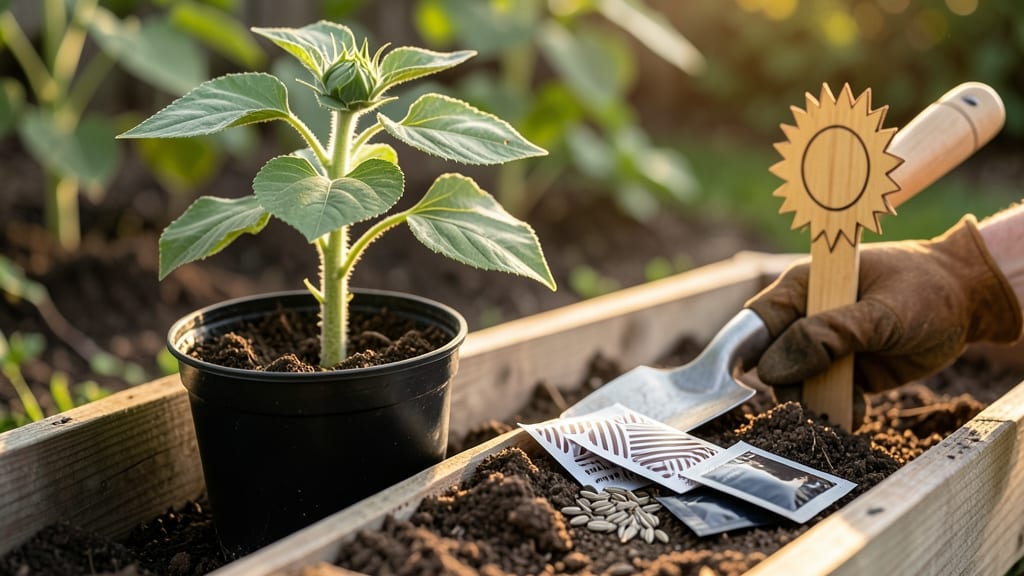
To plant sunflowers in New Mexico means timing them for fast growth and bold blooms—between late March and early July, when soil warmth and frost-free days align.
Picture this: you’ve waited all winter for those towering 🌻 stalks, only to watch them wilt under 100°F heat or bolt before flowering. That’s why knowing your elevation and microclimate is the key to success.
New Mexico’s high-desert climate offers a long growing season, but planting too early risks frost damage, while late starts may leave you with stunted plants. Below, I’ll break down the best months for direct sowing versus transplanting, plus soil prep tips to beat drought.
You’ll also discover the top sunflower varieties for your zone, how to stretch your harvest with succession planting, and why mulching could mean the difference between a thriving garden and a sad, wilting row.
Best planting months for sunflowers in New Mexico’s climate zones
New Mexico’s diverse climate zones—from high-altitude USDA Zone 6 in Santa Fe to Zone 8 in the Rio Grande Valley—create unique planting windows for sunflowers. Timing matters because sunflowers need warm soil (at least 50°F) to germinate and 120+ frost-free days to mature.
Plant too early, and frost will kill seedlings; too late, and blooms may arrive after first frost in October.
In Zone 6 (Santa Fe, Taos), start seeds indoors in March for outdoor transplanting by late April.
In Zone 7 (Albuquerque, Las Cruces), direct-sow seeds from mid-April to early June for summer blooms. Zone 8 (Hatch, Truth or Consequences) gardeners can plant as late as July for fall flowers, but avoid late summer sowing in higher elevations where nights cool quickly.
Sunflowers thrive in New Mexico’s high-desert conditions, but heat tolerance varies by variety. Dwarf varieties (like 'Teddy Bear') handle 100°F+ temps better than towering 'Mammoth' types, which may bolt in extreme heat. Always mulch heavily to retain moisture and water deeply but infrequently to encourage deep root growth.
🌻
For succession planting, sow new seeds every 2–3 weeks from April through June in Zone 7–8. This ensures continuous blooms and seed production through October. In Zone 6, limit succession to May–June to avoid late-season frosts cutting the season short.
New Mexico’s microclimates complicate timing. For example, Los Alamos (Zone 6) may see frost in May, while Las Cruces (Zone 8) stays frost-free until November.
Always check local frost dates and plant height: tall varieties need 120+ days to mature, while dwarf types can bloom in 60 days.
💧 Pro tip: Test soil temperature with a thermometer before planting. Sunflowers won’t germinate below 50°F, even if air temps are warm. Black plastic mulch can warm soil by 5–10°F, helping early plantings in cooler zones.
Extending the season is possible with fall plantings. In Zone 8, sow seeds in late July for September–October blooms. Use heat-tolerant varieties like 'ProCut' or 'Russian Giant' and provide afternoon shade during extreme heat waves to prevent bolting.
🌿 Variety matters: 'Sunspot' (dwarf) thrives in containers and tolerates drought, while 'Moulin Rouge' (striped) needs consistent moisture and longer growing seasons. Match your zone and goals—whether for cut flowers, seeds, or pollinator support—to your planting timeline.
How to adjust planting time for high-altitude vs. low-desert areas
New Mexico’s dramatic elevation shifts—from Santa Fe’s 7,000-foot plateaus to the Rio Grande Valley’s 3,500-foot deserts—create wildly different planting windows for sunflowers. In high-altitude areas, cooler soils and shorter growing seasons demand earlier starts, while low-desert regions can push planting later into summer.
The key? Adjusting for soil temperature, frost risk, and day-length sensitivity.
For example, in Santa Fe (USDA Zone 7a), I plant sunflower seeds as early as late April when soil reaches 50°F, while in Las Cruces (Zone 8b), I wait until mid-May to avoid bolting.
The 1,500-foot elevation difference shifts the ideal window by 4-6 weeks. Even within Albuquerque, microclimates near the Sandia Mountains can delay planting by 2 weeks compared to downtown.
| Factor | High-Altitude (Santa Fe) | Low-Desert (Las Cruces) |
|---|---|---|
| Average Last Frost | May 15 | March 1 |
| Soil Warmth (50°F) | Late April | Mid-May |
| Ideal Planting Window | April 20 - June 15 | May 10 - July 31 |
| Day-Length Sensitivity | High (bolting risk) | Moderate (longer days) |
| Fall Bloom Extension | Use row covers | Plant until August 15 |
To extend fall blooms in high-altitude gardens, I use lightweight row covers to protect seedlings planted in early July. These covers trap heat without smothering plants, allowing sunflowers to mature 2-3 weeks later than usual.
In low-desert areas, I push planting to late August for fall color, but I choose dwarf varieties like 'Teddy Bear' to avoid heat stress before frost.
Day-length sensitivity also plays a role. High-altitude sunflowers bolt faster due to shorter days, so I prioritize early-maturing varieties like 'Autumn Beauty' (50-55 days). In the Rio Grande Valley, longer daylight lets me grow taller varieties like 'Russian Giant' (120+ days) with confidence.
Always check seed packets for days-to-maturity and adjust your planting schedule accordingly.
Pro tip: Use a soil thermometer to monitor warmth—50°F is the magic number for germination. In cooler high-altitude spots, I pre-warm soil with black plastic mulch for 1-2 weeks before planting.
This trick shaves 10-14 days off the waiting game, giving sunflowers a head start against New Mexico’s unpredictable spring weather.
Remember, sunflowers are heat-tolerant champions, but timing still matters. In Albuquerque’s transitional zone, I split my planting into two batches: one in late April for early blooms and another in mid-June for fall color.
This strategy ensures continuous blooms from June through October, regardless of elevation quirks.