
Flowers
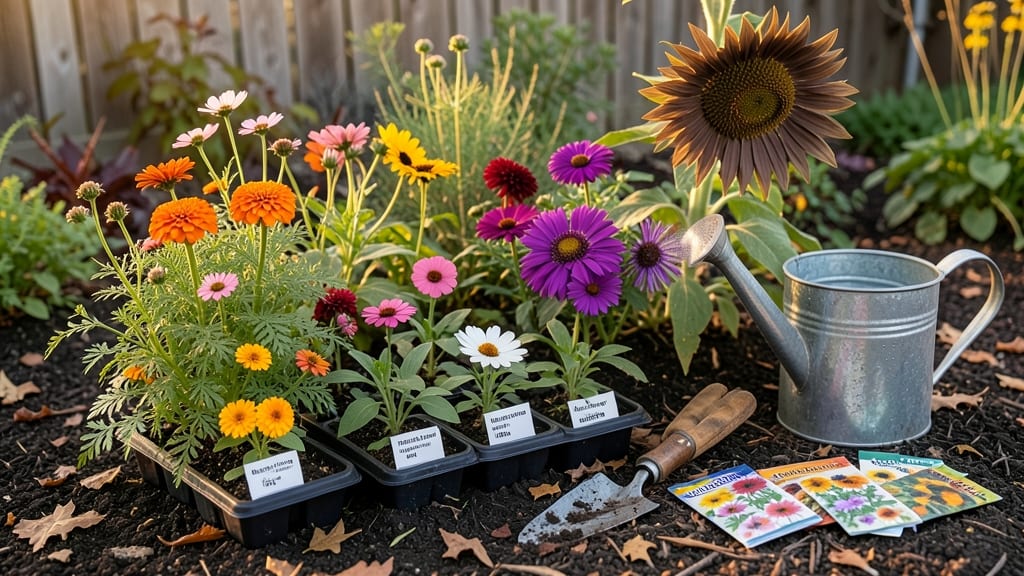
Planting fall flowers in Texas means timing it right to beat the heat and avoid early frosts that can ruin your blooms.
Texas gardeners know that fall planting can mean vibrant blooms through winter—if you time it right. But with the state’s diverse climate zones, figuring out when to plant your fall flowers can be tricky. Avoid common mistakes and maximize your garden’s potential with these zone-specific planting guides tailored for Texas.
In North Texas, where cooler air arrives earlier, you can start as early as mid-August for hardy varieties like pansies and marigolds. Meanwhile, South Texas gardeners should wait until late September to avoid the lingering summer heat.
Below, I’ll break down the exact planting windows for each Texas zone, the best flowers for your region, and the critical prep steps to ensure your fall garden thrives—no guesswork required.
Texas fall planting dates by hardiness Zone: exact timing for each region
Texas gardeners know that fall planting unlocks winter blooms, but timing varies dramatically across the state's 11 hardiness zones. From the cooler Zone 7 hills to the mild Zone 11 coast, each region has its own frost window and ideal soil conditions.
Planting too early risks frost damage, while waiting too long cuts your bloom season short.
To succeed, focus on these three key factors: average first frost dates, ideal soil temperatures (60-70°F for most flowers), and local microclimates. Northern Texas gardens need to plant earlier than South Texas, but coastal areas can extend their fall season dramatically with the right choices.
Here's your zone-by-zone planting guide with exact timing for popular fall flowers like pansies, marigolds, asters, and salvias—plus late-summer prep steps to ensure success.
| Zone | Planting Window | Soil Temp | First Frost | Best Flowers |
|---|---|---|---|---|
| 7 (North Texas) | Mid-August to early September | 60-65°F | Mid-November | Pansies, Snapdragons, Calendula |
| 8 (Central Texas) | Late August to mid-September | 65-70°F | Late November | Marigolds, Asters, Salvias |
| 9 (Hill Country) | September to early October | 68-72°F | Early December | Chrysanthemums, Pansies, Sweet Alyssum |
| 10 (East/South Texas) | Late September to October | 70-75°F | Mid-December | Zinnias, Celosia, Dusty Miller |
| 11 (Coastal/South TX) | October to November | 72-78°F | Rare frost | Petunias, Vinca, Lantana |
For Zone 7 gardeners, start planting pansies and snapdragons in mid-August to ensure they establish roots before the November frost. These cool-season favorites thrive in 60-65°F soil and can handle light frosts once established.
In Zone 8, wait until late August to plant marigolds and asters, which prefer slightly warmer soil (65-70°F). These varieties bloom prolifically in fall and often rebound after light frosts, extending your color show into winter.
Gardeners in Zone 9 have the most flexibility, with planting windows stretching from September through early October. Chrysanthemums and sweet alyssum are excellent choices—they tolerate the cooler nights and often bloom until Christmas with proper care.
South Texas (Zones 10-11) offers the longest fall season. Plant petunias and vinca in October for continuous blooms through winter. The mild climate allows for year-round planting in many areas, but always check local frost records for microclimates like the Hill Country.
Before planting, prepare your soil by adding 2-3 inches of compost and a balanced fertilizer (10-10-10). Water deeply 2-3 days before planting to encourage root growth. In drier zones like West Texas, consider using mulch to retain moisture and regulate soil temperature.
Pro tip: Use shade cloth over newly planted flowers in Zone 7-8 during heatwaves to prevent transplant shock. This simple step can boost survival rates by
Best fall flowers for Texas gardens: fast-growing varieties that thrive in cool weather
Fall in Texas transforms gardens into vibrant canvases, but choosing the right fast-growing flowers makes all the difference. Cool-season blooms like pansies and calendulas thrive in Texas’s mild winters, offering long-lasting color with minimal effort. The key? Selecting varieties that balance drought tolerance and cold hardiness for your specific zone.
For North Texas (Zones 7-8), prioritize annuals like snapdragons and perennials such as salvias, which bloom reliably from October through March. In South Texas (Zones 9-11), frost-sensitive marigolds and zinnias can be planted later, even into November, for winter-long displays.
Let’s dive into the top performers and how to plant them for maximum impact.
When to Plant Fall Flowers in Texas
- Longer bloom season - 4-6 months of color
- Established roots before winter rains
- Fewer pests in cooler weather
- Limited root growth before frost
- Shorter bloom time (2-3 months max)
- Higher water needs in dry spells
Plant annuals by mid-September and perennials by early October to avoid early frost.
Extend planting to November for frost-sensitive varieties like marigolds and celosia.
Start with pansies, the unsung heroes of Texas fall gardens. These drought-tolerant annuals bloom from October to March and handle light frosts down to 20°F. Plant seeds or transplants 6-8 weeks before your first frost—typically late August to mid-September in North Texas—for a nonstop color show.
For longer stems and cut flowers, try snapdragons or stock flowers. Both thrive in cool weather and add vertical interest to borders. Space them 12-18 inches apart in well-draining soil, and deadhead spent blooms to encourage continuous flowering through winter.
A 2-inch layer of mulch preserves moisture and protects roots from temperature swings.
Don’t overlook native Texas wildflowers like bluebonnets or Mexican feather grass for low-maintenance texture. These perennials establish quickly in fall and return year after year with zero supplemental watering once established. Pair them with calendulas for a sunny, cheerful contrast that attracts pollinators.
For instant color, mix marigolds and zinnias into your fall beds. These fast-growing annuals bloom in just 6-8 weeks and tolerate light freezes. Plant them after your average first frost date—usually mid-October in North Texas and November in South Texasbold pop of color through winter.
Pro tip: Group plants by water needs to simplify care. Drought-tolerant varieties like salvias and lavender should share space with moisture-loving pansies and impatiens. Use drip irrigation on timers to save water and keep blooms healthy through Texas’s unpredictable fall rains.