
Planting
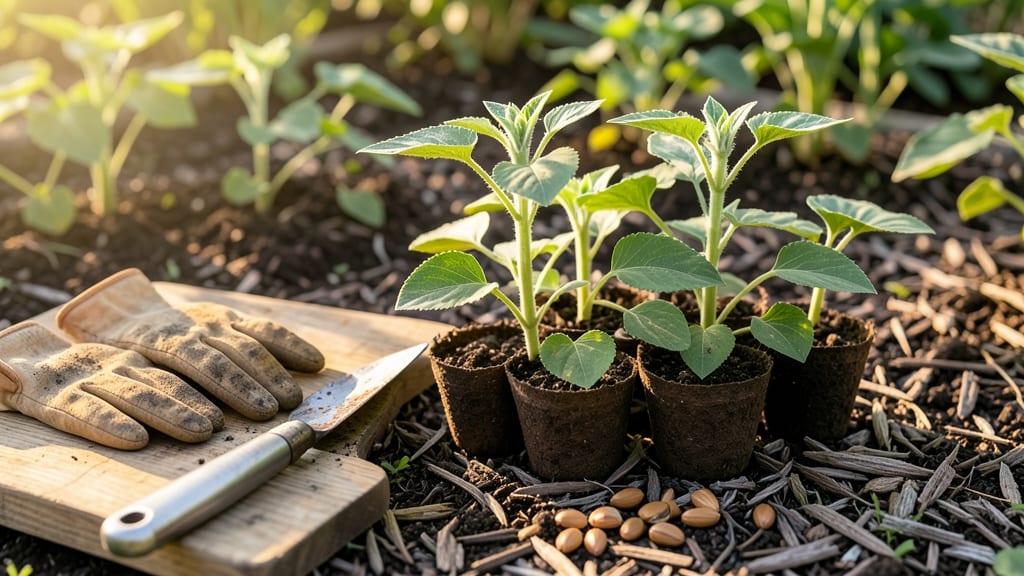
Planting sunflowers in fall is possible, but timing and location make all the difference—especially in USDA Zone 6a where frost arrives early.
You’ve probably seen sunflowers 🌻 as summer stars, but did you know they can also thrive in late-season gardens? The key is choosing the right varieties, adjusting your planting window, and protecting them from unexpected cold snaps. With the right approach, you could enjoy towering blooms well into autumn.
In warmer zones (7 and above), fall planting can extend your harvest until frost. But in cooler climates like Zone 6a, you’ll need to act fast—typically between mid-September and early October—and opt for cold-hardy dwarf varieties to avoid winter damage.
Below, I’ll break down exactly how to time your fall planting, which sunflowers survive cooler weather, and how to shield them from early frost. By the end, you’ll know whether your garden is ready for a late-season sunflower show.
Fall sunflower planting by USDA Zone: what works where
Planting sunflowers in fall is possible, but your USDA zone determines success. In warmer zones like 8-11, you can sow seeds as late as September-October for winter blooms. Cooler zones (3-7) require earlier planting and protective measures to survive light frosts.
The key is balancing frost dates with sunflower maturity—most varieties need 50-100 days to bloom.
Dwarf varieties like 'Teddy Bear' (2-3 ft) thrive in fall gardens, while giant types ('Mammoth', 10-14 ft) struggle with shorter daylight. Your local last frost date is critical—plant 6-8 weeks before the first expected frost to avoid stunted growth.
For example, in Zone 5, aim for mid-August planting, while Zone 9 gardeners can sow until November.
Here’s how your zone affects fall sunflower success:
In Zones 3-5, focus on dwarf varieties like 'Autumn Beauty' or 'Little Becka'—they mature faster and tolerate cooler temps better. Giant sunflowers ('Russian Giant') need 100+ days to bloom, making them risky in fall.
Instead, opt for semi-dwarf types ('Moulin Rouge') that reach 4-6 feet but finish quicker.
Soil temperature matters too. Sunflower seeds won’t sprout below 50°F. In Zones 6-7, wait until soil warms to 60°F before planting. Use a soil thermometer to check—cool soil delays germination by 3-5 days.
Amend beds with compost to improve drainage, as fall sunflowers are prone to root rot in heavy clay.
Watering shifts in fall. Young seedlings need deep watering every 3-4 days, but mature plants in Zones 8-11 can go 7-10 days between waterings. Avoid overhead sprinklers at night to prevent fungal diseases like powdery mildew. Instead, water at morning to let foliage dry quickly.
For Zones 9-11, fall planting offers a bonus: longer daylight in late summer can trigger faster growth. Try 'ProCut' or 'Energy' varieties—they bolt quickly and produce cut-flower-quality stems in 50-60 days.
In Zone 11, you can even plant sunflowers in winter for spring blooms, though growth slows below 60°F.
Protective measures extend fall success. Use row covers or straw mulch in Zones 3-6 to insulate roots. In Zones 7-8, plant near shrubs or fences to shield from wind. Avoid fertilizing after mid-September—new growth is vulnerable to frost damage. Instead, focus on watering and weed control.
Timing is everything. In Zone 5, plant by August 15 to avoid frost before blooming. In Zone 9, you can push it to October 15 with minimal risk. Always check your local frost calendar—some years are warmer, giving you 2-3 extra weeks for planting.
Fall sunflowers reward patience. While they may not reach their summer height, they’ll still produce vibrant blooms and edible seeds. Choose cold-hardy varieties
How to extend sunflower growth in cool fall weather
Fall planting offers a second chance to grow sunflowers, but cooler temperatures and shorter days demand special care. With the right strategies, you can coax these bright blooms to thrive well into autumn.
The key lies in soil preparation, variety selection, and protecting young plants from early frosts.
Sunflowers typically bolt quickly when days shorten, but cold-hardy varieties like 'Autumn Beauty' or 'Moulin Rouge' can handle 50°F nights without bolting prematurely. These varieties also produce stunning bi-color blooms perfect for late-season gardens. Pair them with proper watering schedules and row covers to maximize success.
Test your soil pH (6.0-7.0) before planting—fall soil often retains moisture, risking root rot. Amend with compost and sand if drainage is poor. For USDA Zones 3-5, start seeds indoors 6-8 weeks before last frost to extend the season.
Begin by enriching your soil with aged compost and a balanced fertilizer (10-10-10). Sunflowers need well-draining soil to avoid waterlogged roots, which can stunt growth in cool weather. Mix in perlite or vermiculite if your native soil is heavy clay—a common issue in fall.
Water deeply 2-3 times per week in fall, focusing on the root zone rather than overhead spraying. Morning watering prevents fungal diseases like powdery mildew, which thrive in cool, damp conditions. Use drip irrigation or soaker hoses to deliver moisture efficiently without wetting foliage.
Protect young seedlings with floating row covers or cloches when nighttime temperatures dip below 50°F. These barriers trap heat without smothering plants, allowing sunflowers to continue growing through early fall frosts. Remove covers during the day to prevent overheating.
Monitor your sunflowers closely for signs of stress, like yellowing leaves or stunted growth. These may indicate nutrient deficiencies or overwatering. In USDA Zones 7-11, you can push the season further by planting dwarf varieties like 'Teddy Bear'—they mature faster and handle cooler temps better than giants.
With these strategies, your sunflowers can bloom well into October or November, adding cheerful color to your garden just as summer fades. Just remember: harvest seeds before the first hard frost to save them for next year’s garden! 🌻