Plants
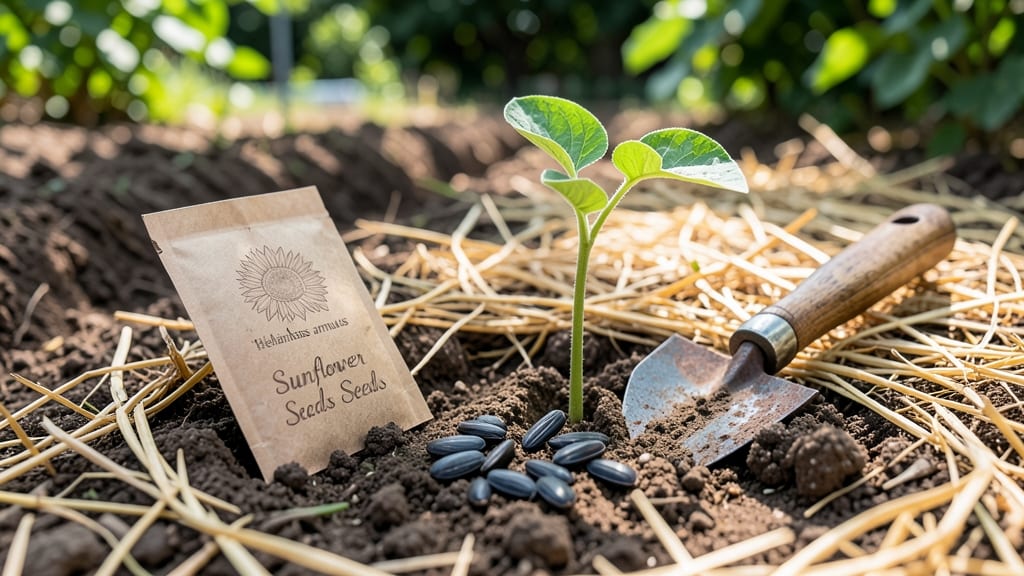
To plant sunflower seeds in Virginia, aim for when soil temperatures hit at least 50°F—usually late April to early May in most regions, but earlier along the coast.
Sunflowers bring vibrant color and effortless beauty to Virginia gardens—but planting them at the wrong time can mean slow growth or even failure. Timing isn’t just about the calendar; it’s about soil warmth, frost risk, and regional microclimates that separate a thriving sunflower patch from a flop.
Virginia’s climate varies dramatically from the coastal Tidewater region to the mountainous west, where last-frost dates can differ by three weeks. That means what works in Norfolk might fail in Roanoke if you don’t adjust for local conditions.
Below, I’ll break down the exact planting windows by zone, how to test soil warmth for fast germination, and the best sunflower varieties for Virginia’s short and long growing seasons.
Virginia’s ideal sunflower planting timeline by region (soil temp guide)
Virginia’s diverse climate means sunflower planting times vary dramatically from the coastal Tidewater to the mountainous Appalachians. While most gardeners focus on calendar months, soil temperature is the real game-changer for germination.
Sunflower seeds need consistent soil temps above 50°F to sprout reliably—and planting too early when the ground is still cold can leave them rotting in the soil.
Each region’s last frost date and microclimate creates a unique window. The Tidewater’s milder winters allow earlier starts, while mountain areas often wait until late May. Even within regions, urban heat islands can push planting dates 1-2 weeks earlier than rural areas.
Let’s break down the exact timing for each zone, including how to adjust for your specific location.
| Region | Last Frost Date | Soil Temp Threshold | Ideal Planting Window | Adjustments for Microclimates |
|---|---|---|---|---|
| Tidewater (Coastal) | Mid-March to early April | 50°F+ (consistent) | Early April to mid-May | Urban areas: 1-2 weeks earlier; sheltered spots can start in late March |
| Piedmont (Central) | Late March to early April | 50°F+ (consistent) | Mid-April to late May | Valleys: wait until late April; higher elevations delay until early May |
| Mountains (SW/West) | Early to mid-May | 55°F+ (warmer needed) | Late May to early June | South-facing slopes: 1 week earlier; high elevations may need June starts |
For Tidewater gardeners, the key is acting fast—soil warms quickly in spring, and seeds planted in early April often germinate within 7-10 days if temps stay above 50°F. I’ve seen coastal Norfolk gardeners push starts to late March using black plastic mulch to raise soil temps by 5-10°F.
Just be prepared for late frosts that can hit as late as April 15th in some years.
In the Piedmont region, where I garden in Charlottesville, I wait until mid-April to plant, even if the calendar says “spring.” The soil here can still be 45°F in the morning, and sunflower seeds won’t germinate until it hits 50°F consistently.
A soil thermometer (just $10 at garden centers) is worth its weight in gold—it’s how I avoid the heartbreak of rotting seeds from planting too soon.
Mountain gardeners face the toughest timing challenge. In Blacksburg or Abingdon, I’ve had June 1st planting dates become the norm for Russian Giant varieties. The good news? Mountain sunflowers often bloom later and avoid late-summer pests like sunflower moths.
For shorter-season varieties like ‘Teddy Bear,’ I’ll plant in late May to ensure they mature before first frost in early October.
One trick I’ve learned is to use row covers for early starts in cooler areas. Laying down floating row covers after planting can add 3-5°F to soil temps and protect young seedlings from light frosts.
Just remove them when plants hit 6 inches tall to prevent overheating. I’ve extended my Piedmont planting window by 2 weeks using this method.
Don’t forget about succession planting—Virginia’s long growing season lets you plant 2-3 batches of sunflowers. After your first planting, add a second batch 4-6 weeks later to stretch your blooms into September or October.
In Tidewater, I’ll even squeeze in a late July planting for fall color, though I choose fast-maturing varieties like ‘Moulin Rouge’ for this.
Watch for local weather patterns too. The National Weather Service’s frost prediction maps are free and invaluable. For example, Richmond’s average last frost is April 15th
How to use soil thermometers and frost charts to perfect your planting time
Getting your sunflower seeds in the ground at the right time means the difference between a vibrant summer display and a sad, stunted plant. While most gardeners check the calendar, the real magic happens below the surface—soil temperature and frost risk are the unsung heroes of planting success.
In Virginia, where microclimates vary wildly from urban heat islands to mountain valleys, these factors can shift your planting window by weeks.
Start by grabbing a soil thermometer (they’re cheap and game-changing) and checking your garden’s warmth. Sunflowers need soil temperatures of at least 50°F (10°C) to germinate reliably. In Virginia’s Piedmont region, this usually means waiting until mid-April, while coastal areas can plant as early as late March.
But don’t rely on guesswork—frost charts from the Virginia Cooperative Extension (VCE) will tell you exactly when to hold off.
Here’s how to use these tools like a pro to nail your sunflower planting window:
Pro tip: If you’re in Zone 6b–7a (most of Virginia), aim for a 90–100-day variety like ‘Autumn Beauty’ to avoid frost cutting off blooms. For faster results, choose ‘Teddy Bear’ (60 days), perfect for containers or short seasons.
Always plant seeds 1 inch deep and 6–12 inches apart, depending on the mature size.
Remember, sunflowers are forgiving, but timing them right means bigger blooms and healthier stems. With your soil thermometer and VCE frost data in hand, you’ll outsmart Virginia’s unpredictable springs and enjoy sunflowers that tower over your garden like golden sentinels. 🌻