
Flowers
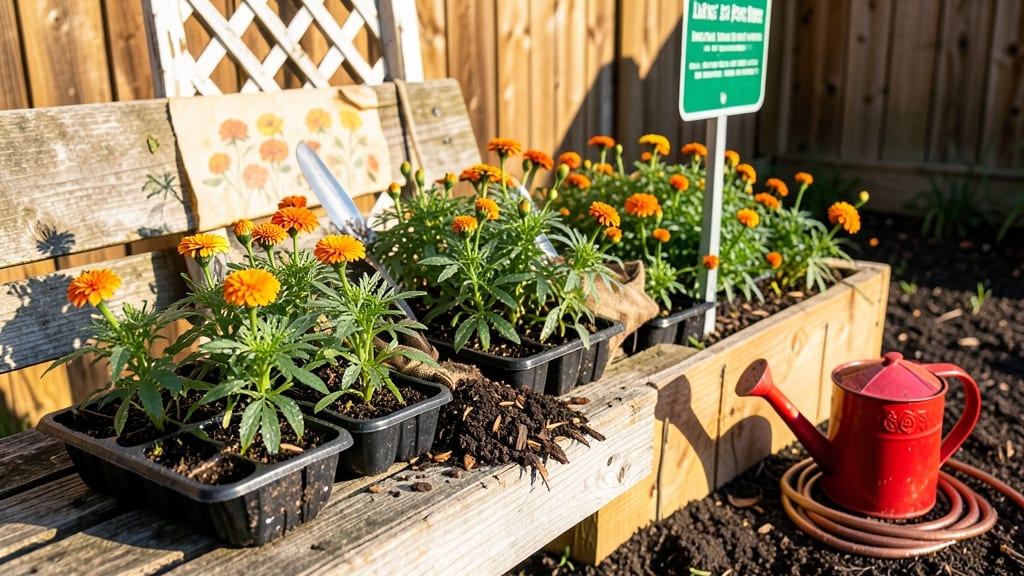
Planting flowers in Wisconsin at the right time means the difference between a burst of color all summer and a sad, frost-nipped garden.
Wisconsin’s unpredictable frost dates can turn a beautiful flower garden into a risky gamble—unless you know the exact timing for your hardiness zone. Plant too early, and frost will wipe out your blooms; too late, and you’ll miss peak flowering season.
With hardiness zones ranging from 4a to 6b, the ideal planting window shifts from late April to mid-May in the north to as early as mid-March in the south. Annuals like marigolds and petunias need warm soil, while perennials like coneflowers can handle cooler temperatures.
Below, I break down the best planting dates for your zone, how to adjust for late frosts, and the top 10 Wisconsin-friendly flowers that guarantee blooms—no matter where you garden.
Wisconsin frost dates by hardiness Zone: best planting windows for annuals & perennials
Wisconsin’s hardiness zones 3-6 create dramatic differences in frost timing, making it critical to know your last spring frost and first fall frost dates. In Zone 3 (northern WI), average last frosts arrive May 10-20, while Zone 6 (southern WI) sees them April 20-May 5.
These dates determine whether your pansies or marigolds survive—or get nipped in the bud.
For cool-season flowers like pansies and snapdragons, start seeds indoors 6-8 weeks before your last frost date. Warm-season bloomers such as zinnias and sunflowers need soil temperatures above 55°F (13°C)—typically 2-4 weeks after your last frost.
Fall planting works best when you sow 6-8 weeks before the first frost, giving plants time to establish roots before winter.
Here’s your zone-by-zone breakdown of frost dates and ideal planting windows, based on USDA data and Wisconsin’s 30-year climate averages. Use this to align your planting schedule with your garden’s unique microclimate.
In Zone 3, where frosts linger late, focus on hardy perennials like coneflowers and black-eyed Susans, which tolerate cooler soils. Annuals like marigolds need to wait until soil warms to 60°F (16°C), often 2-3 weeks after the last frost date.
For Zone 6, you can push the envelope with early spring plantings of pansies or snapdragons as early as March, but always monitor soil temperature with a probe.
Fall planting is equally critical—cool-season flowers like calendulas and stocks thrive when sown in late summer. Aim to plant 6-8 weeks before your first frost, giving roots time to establish before winter.
In Zone 4 and 5, this often means early August sowings for a September-October display before frost.
Pro tip: Use row covers or cold frames to extend your spring planting window by 2-3 weeks, especially in Zone 3 and 4. These tools create a microclimate that protects tender seedlings from late frosts.
For Zone 6, you can even try direct-sowing warm-season flowers like basil or geraniums in late April under cover.
Remember, these dates are
How to adjust planting dates for Wisconsin’s microclimates & unpredictable weather
Wisconsin’s diverse microclimates mean your neighbor’s perfect planting window might destroy your flowers. Urban areas like Milwaukee often warm up faster than rural northern forests, while lake-effect zones near Green Bay can delay frost by weeks. Understanding these variations helps you extend your growing season and protect tender blooms.
If you’re gardening near Lake Michigan or Lake Superior, expect 5-10°F warmer temperatures than inland areas. This shift can mean planting marigolds or zinnias 2-3 weeks earlier than your zone’s average.
Meanwhile, inland valleys like the Driftless Region may experience late spring frosts well into May, requiring row covers or cold frames for delicate flowers.
🚨
Even after average last frost dates, late frosts can strike. Check the National Weather Service for frost advisories 24-48 hours before planting tender flowers like petunias or geraniums. If frost is forecasted, cover plants with frost cloth or blankets and secure edges with bricks or soil to prevent wind damage.
🌡️ Warning Signs: Dew on grass at dawn, clear skies overnight, and light winds all signal frost risk.
For urban gardeners with limited space, container gardening offers flexibility. Use black plastic pots to absorb heat and plant warm-season flowers like sunflowers or cosmos 1-2 weeks earlier than ground planting.
In rural areas, succession planting every 2 weeks ensures continuous blooms—start with cool-season flowers like pansies or snapdragons in early April, then transition to warm-season favorites by late May.
Extend your fall blooming season by planting hardy annuals like asters or chrysanthemums in early August. These thrive in cool weather and often bloom until first frost.
For tender perennials, like canterbury bells or salvia, use cold frames to keep roots 10°F warmer than ambient air, delaying dormancy by 3-4 weeks.
Protect young seedlings from unpredictable cold snaps with mini greenhouses or cloche tunnels. These create microclimates 5-10°F warmer than outside, ideal for geraniums or impatiens. Always harden off plants gradually—expose them to outdoor conditions for 1-2 hours daily over 7-10 days before full transplanting to avoid shock.
Monitor your garden’s specific microclimate by tracking soil temperatures with a soil thermometer. Aim for 50°F (10°C) for warm-season flowers and 40°F (4°C) for cool-season varieties. Adjust planting dates based on your data—this precision can mean the difference between a thriving garden and wilted blooms.