
Flowers
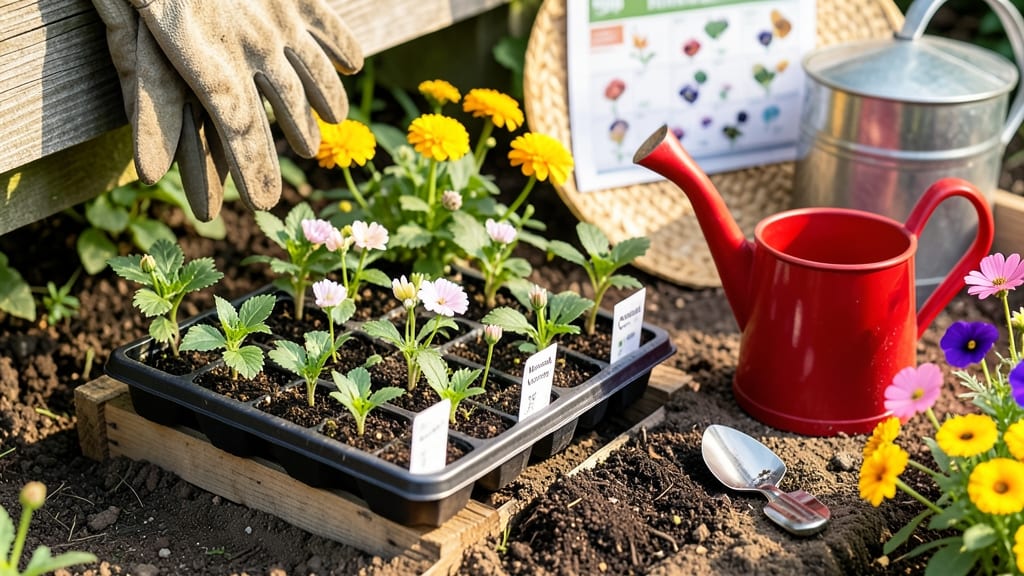
Starting flowers at the best time to plant flowers ensures they thrive and bloom when you expect them to—whether you're in a chilly USDA Zone 6a or a balmy tropical region.
Timing your flower planting can mean the difference between a vibrant garden bursting with color and a season of disappointment—here’s how to align your schedule with nature’s perfect window.
For most cool-season flowers, like pansies or snapdragons, the ideal window opens in early spring, about 4-6 weeks before your last frost. In Zone 6a, that’s typically by mid-March, but tropical climates may start as early as January.
Below, I’ll break down the best months for your region, how to prep soil for success, and when to transplant seedlings—plus the exceptions that defy the rules (like heat-loving zinnias that need to wait until after May).


Climate-specific flower planting months: a regional breakdown
Timing your flower planting is everything—whether you're growing annuals for summer color or perennials that return year after year. The best planting months vary dramatically based on your USDA hardiness zone, frost dates, and whether you're in a temperate, tropical, or cold climate.
Miss the window, and you risk frost damage or stunted growth. Get it right, and you'll enjoy blooms that last all season.
For most gardeners in temperate climates (like USDA Zones 5-8), the magic happens 4-6 weeks before your last spring frost.
But tropical zones (like Florida or Hawaii) have no frost to worry about, while cold climates (like Alaska or Canada) require early spring starts indoors or fall planting for perennials. Let's break it down by region so you can plant with confidence.
Pro Tip: Always check your local last frost date (available via the National Weather Service or Old Farmer's Almanac)—it’s your planting deadline for frost-sensitive flowers like petunias or marigolds. For cold-hardy flowers like pansies or snapdragons, you can plant as early as February in mild zones.
In temperate zones, like much of the U.S. Midwest or Northeast, your last spring frost is the golden rule. For example, in Zone 6, that’s typically mid-April to early May.
Count back 4-6 weeks to start seeds indoors or buy transplants. Annuals like geraniums and cosmos thrive when planted after the frost, while perennials like daylilies can go in early spring or fall.
If you're in a tropical climate, like Florida or Hawaii, frost isn’t a concern—but timing still matters. Plant seasonal flowers like hibiscus or plumeria during the wet season (May–October) for optimal growth. Drought-tolerant flowers like bougainvillea can handle year-round planting but bloom best with consistent moisture.
For cold climates (think Alaska, Montana, or Canada), your window is short.
Start cool-season flowers like pansies or snapdragons indoors in February and transplant outdoors in late May. Hardy perennials, such as black-eyed Susans, can be planted in early spring as soon as the soil is workable. Always use mulch to protect roots from freeze-thaw cycles.
Don’t forget about microclimates—your garden might have a sunny south-facing bed that warms up faster than the rest of your yard. Use this to your advantage by planting heat-loving flowers like lantana or salvia in these spots 2-3 weeks earlier than the general guideline.
Conversely, shady areas may need cool-season flowers like impatiens planted later in May or June.
For perennials,
How to adjust planting times for early blooms vs. late-season color
Creating a nonstop flower show in your garden starts with smart planting timing. By strategically spacing out your cool-season flowers and heat-loving varieties, you can enjoy blooms from spring through fall.
The key is understanding each plant's ideal temperature range and using techniques like succession planting to keep your garden vibrant all season.
For early blooms, focus on cool-season flowers like pansies, snapdragons, and sweet alyssum. These thrive in mild spring temperatures and can even handle light frosts. Meanwhile, late-season color comes from heat-tolerant varieties like zinnias, cosmos, and marigolds, which shine in summer's intense heat.
The trick is overlapping their planting windows for seamless transitions.
- 🌿 Start cool-season flowers 4-6 weeks before last frost for early blooms (e.g., pansies in March).
- ☀️ Plant heat-lovers after soil warms (60°F+), typically late May-June in most zones.
- 🔄 Succession plant every 2-3 weeks for continuous blooms (e.g., snapdragons every 3 weeks).
- 🛡️ Use row covers to extend cool-season blooms into early summer or cold frames for late fall color.
- 🌡️ Monitor microclimates—south-facing beds warm faster, so plant heat-lovers earlier there.
One of my favorite strategies is succession planting, where I sow fast-growing annuals like cosmos every 3 weeks from spring to early summer. This ensures fresh blooms just as the previous batch fades.
For example, I'll start cosmos indoors in late March, transplant them in April, and then sow another round outdoors in May and June.
Extending the season with row covers or cold frames is another game-changer. I use lightweight frost blankets over pansies and violas in early spring to protect them from late frosts while still letting them bloom.
Similarly, a simple cold frame can keep calendulas and sweet peas producing flowers until November in my zone.
Don't forget to group plants by heat tolerance. For instance, pair cool-season favorites like stock and larkspur with early-blooming perennials such as columbine for a seamless transition. Meanwhile, zinnias and sunflowers will take over as temperatures rise, creating a natural handoff of color.
Pro tip: Keep a planting calendar with key dates—like last frost, soil warming, and peak bloom timesplant, deadhead, or replace fading blooms for a picture-perfect garden all season long. 🌻