
Blooming
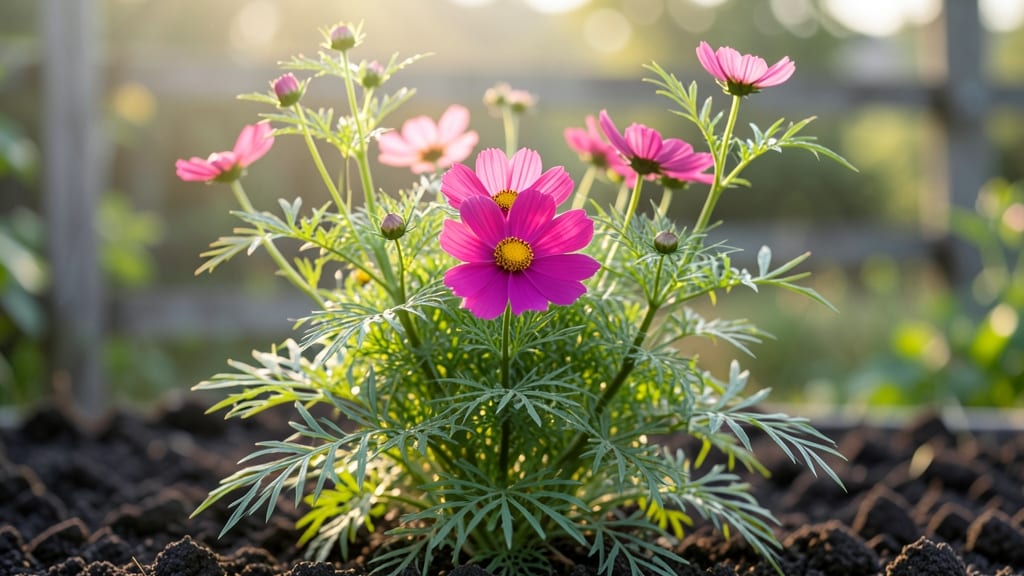
The cosmos flowering season brings vibrant blooms from summer through fall 🌸, but the exact timing depends on where you live and how you care for them.
If you’ve ever dreamed of a garden bursting with cheerful cosmos, timing is everything—these flowers thrive on precise seasonal cues, and their flowering windows vary dramatically across USDA zones.
In cooler zones like 6a, cosmos typically start blooming in late June and continue through October, while warmer climates can enjoy flowers as early as May and into November.
With the right techniques—like deadheading spent blooms and choosing the right varieties—you can stretch that flowering season even longer, keeping your garden colorful from summer to frost.
When do cosmos flowers bloom: month-by-month timeline by USDA Zone
Timing your cosmos planting for peak blooms depends entirely on your USDA zone—these delicate, daisy-like flowers respond dramatically to temperature shifts. In cooler zones (3-5), expect a shorter but vibrant summer display, while warmer zones (8-11) enjoy near year-round color with proper care.
The key? Understanding how frost sensitivity and heat tolerance shape your cosmos' flowering window.
Most cosmos varieties bloom 60-90 days after sowing, but early-season types like 'Sensation Mix' can flower in as few as 50 days under ideal conditions. Late bloomers like 'Double Click' may extend your season until first frost, especially in frost-free zones.
Let’s break down what to expect month-by-month across the U.S.
🌱 Pro Tip: Cosmos thrive in full sun (6+ hours daily) and well-draining soil—both critical for triggering their natural flowering cycle. Amend heavy clay with compost to prevent root rot, which can delay blooms.
In USDA Zones 3-5, where frost lingers until late spring, cosmos typically bloom from mid-July through August. Plant seeds after your last frost date (usually mid-May) for optimal timing. Varieties like 'Sensation Mix' are ideal here—they mature quickly and handle cooler summer nights better than heat-sensitive types.
For Zones 6-7, your cosmos flowering season stretches from June to September, giving you a longer window to enjoy their papery blooms.
Early sowings in April (after soil warms to 60°F) ensure first flowers by late June, while succession planting every 2-3 weeks keeps your garden in bloom until frost.
Gardeners in Zones 8-9 can push the envelope further—cosmos here often bloom from May through October, with some varieties like 'Sonata Series' producing continuous flowers if deadheaded regularly. The key is consistent moisture during dry spells, as cosmos wilt dramatically when stressed.
In the warmest zones (10-11), cosmos are nearly frost-free year-round, but they may bolt (go to seed) if temperatures drop below 50°F at night. Plant heat-tolerant varieties like 'Vanilla Sky' and provide light shade during peak summer afternoons to prevent leaf scorch.
With proper care, you’ll enjoy blooms from April to November.
🌿 Climate Hack: In Zone 5 and below, try starting cosmos indoors 6-8 weeks before last frost for a 4-6 week head start on blooms. Use biodegradable pots to transplant seedlings without disturbing roots.
Extreme heat or drought can halt flowering—cosmos are drought-tolerant once established, but consistent watering (every 2-3 days in summer) prevents bud drop. Mulch with straw or shredded leaves to retain moisture and regulate soil temperature, which keeps blooms coming.
🌡️ Temperature Alert: Cosmos stop blooming when nighttime temps exceed 85°F for prolonged periods. In Zones 9-11, provide afternoon shade during heatwaves to protect delicate petals and maintain vibrant color.
To maximize your cosmos flowering season, sow seeds in batches every 2-3 weeks from spring to early summer. This staggered approach ensures continuous blooms from early summer to first frost, turning your garden into a nonstop pollinator party.
Pair with basil or borage to attract bees and extend the show!
How to extend cosmos flowering season: pro tips for longer blooms
Cosmos flowers are nature's gift to gardeners, offering bright, fuss-free blooms that attract pollinators. But did you know their flowering season can stretch from early summer to frost with the right care?
The secret lies in understanding their growth habits and giving them the support they need to keep producing those cheerful faces.
Unlike some flowers that bloom once and fade, cosmos are repeat bloomers when treated properly. With just a few simple adjustments—like deadheading spent flowers, optimizing soil health, and smart watering—you can transform your cosmos from a seasonal highlight into a year-round garden star.
Let's dive into the proven techniques that will keep your cosmos in full bloom for weeks longer.
- Deadhead daily - Snip off spent blooms at the base to redirect energy to new flowers. Use clean pruners or fingers for a quick touch-up after morning dew dries.
- Feed lightly - Use a balanced 5-10-10 fertilizer every 4-6 weeks during active growth. Avoid over-fertilizing, which can reduce blooming.
- Water deeply - Aim for 1 inch per week, focusing on soil moisture rather than frequent light watering. Early morning is ideal to prevent fungal issues.
- Mulch heavily - Apply 2-3 inches of mulch to retain moisture and regulate soil temperature. Organic options like straw work beautifully.
- Plant companions - Pair with basil or marigolds to deter pests while improving overall plant health through natural synergies.
One of the easiest ways to extend your cosmos' flowering season is through consistent deadheading. These flowers follow a simple rule: remove the old, and new blooms appear.
I like to make this a daily habit during peak bloom season—just a few minutes each morning can mean weeks more color. Grab your pruners and snip off those faded blooms at the base, where the stem meets the foliage.
Don't underestimate the power of proper soil nutrition. Cosmos thrive in well-draining, slightly lean soil—too much nitrogen leads to lush foliage but fewer blooms.
A light feeding with a phosphorus-rich fertilizer every 4-6 weeks encourages more flowers. I've found that organic options like bone meal work wonders without risking over-fertilization.
Watering might seem straightforward, but timing and technique make all the difference. Cosmos are drought-tolerant once established, but they still need consistent moisture during their active growth phase. Water deeply in the early morning to prevent fungal diseases that thrive in damp foliage.
A soaker hose or drip irrigation system helps deliver water right to the roots where it's needed most.
For those living in cooler climates, extending the season might mean starting seeds indoors or choosing cold-hardy varieties like 'Bright Lights'. In warmer zones, succession planting every 2-3 weeks ensures a continuous display. I've even seen gardeners in Zone 10 keep cosmos blooming until Thanksgiving with proper care!
Finally, don't overlook the benefits of companion planting. Cosmos pair beautifully with herbs like basil and marigolds, which naturally repel pests and improve overall plant health. This simple strategy can mean fewer damaged blooms and more vibrant displays throughout the season.