Flowers
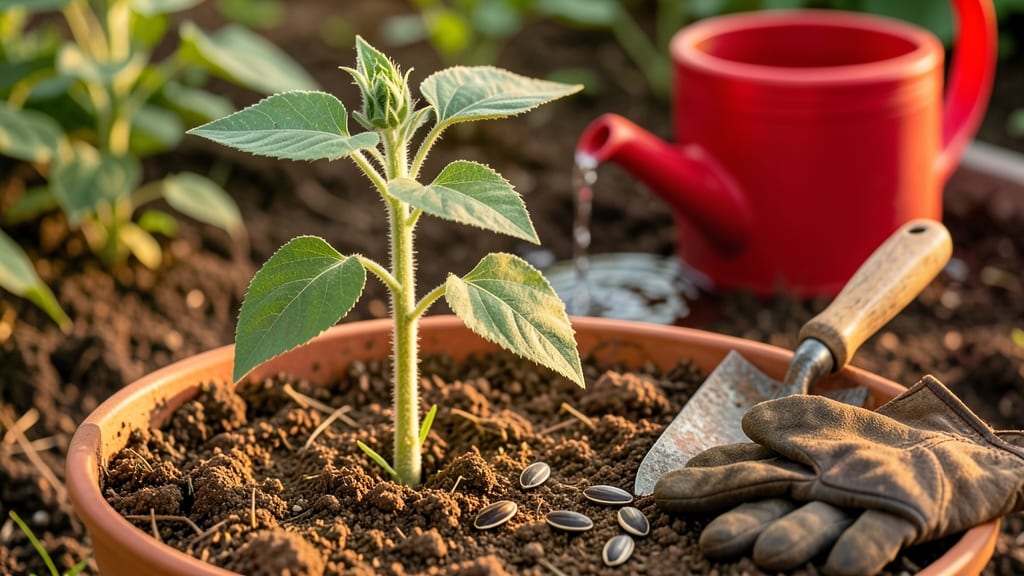
You can plant sunflowers in Florida after the last frost date, typically between late January and early March for the best results 🌻.
Picture this: you’ve waited all winter for your garden to bloom, only to rush out and plant sunflowers too late—just as the summer heat hits. That’s why timing matters so much in Florida’s unique climate.
Unlike cooler states, Florida’s frost-free windows stretch from the Panhandle to the Keys, meaning your planting schedule should shift depending on where you live.
Whether you’re in North Florida’s 8a zone or South Florida’s 11, the key is planting when soil temperatures hit 50°F and staying ahead of the heat. Miss the window, and your sunflowers might bolt too fast or wilt before they even open.
But get it right, and you’ll enjoy towering blooms from late spring through summer.
In this guide, I’ll break down the exact months to plant by region, share tips to extend your growing season, and help you pick the best varieties for Florida’s heat. Ready to grow sunflowers that reach their full potential?
Florida sunflower planting calendar: month-by-month frost-free deadlines
Florida’s three distinct climate zones mean your sunflower planting schedule depends heavily on where you live. North Florida gardeners face cooler winters with occasional frost, while South Florida enjoys year-round warmth. Central Florida falls somewhere in between, with mild winters and hot summers.
To maximize your sunflowers’ growth, I’ll break down the best planting months for each zone, including last frost dates and heat tolerance tips.
For North Florida (USDA Zones 8a-9a), the last frost date typically falls around January 31, but you can start planting sunflowers as early as December in protected microclimates.
In Central Florida (Zones 9b-10a), frost is rare, so you can plant year-round, though late winter to early spring yields the best results. South Florida (Zones 10b-11) has no frost risk, making it ideal for extended growing seasons, but summer heat can stress sunflowers if not managed properly.
Giant sunflower varieties like 'Mammoth' or 'Russian Giant' need longer growing seasons (90 days) and thrive when planted in January or February. Dwarf varieties, such as 'Teddy Bear' or 'Sunspot,' mature faster (60-75 days) and can be sown as late as March for summer blooms. Always check your local frost dates—they can vary by 1-2 weeks depending on elevation and proximity to water.
| Zone | Last Frost Date | Best Planting Months | Heat Tolerance Tip | Peak Bloom Period |
|---|---|---|---|---|
| North Florida | January 31 | December–March | Use shade cloth in summer | April–June |
| Central Florida | January 15 (rare) | Year-round (best Jan–Feb) | Plant in fall for winter blooms | March–July |
| South Florida | None | Year-round (best Feb–April) | Mulch heavily in summer | April–August |
| All Zones | N/A | Stagger plantings every 2 weeks | Water deeply at soil level | Extend season with shade |
In North Florida, aim to plant giant sunflowers by February 15 to avoid summer heat stress. For dwarf varieties, you can push planting to March 1 for compact, early blooms. Central Florida gardeners have the most flexibility—plant in January for spring blooms or September for fall/winter flowers.
South Florida’s year-round growing season allows for three planting cycles: January, May, and September, each yielding vibrant blooms.
To extend your sunflower season, try staggered plantings every 2 weeks. This ensures a continuous bloom from spring to fall. For example, plant one batch in January for spring blooms, another in March for summer, and a final batch in July for fall.
This technique works especially well in Central and South Florida, where frost isn’t a concern.
Heat is the biggest challenge for Florida sunflowers, especially in summer months. If planting in late spring or summer, choose heat-tolerant varieties like 'Autumn Beauty' or 'ProCut.'
Provide afternoon shade with 30% shade cloth to prevent leaf scorch. Always water deeply at the base—avoid wetting leaves to reduce fungal diseases like powdery mildew.
For North Florida, protect young seedlings with frost cloth if temperatures dip below 32°F. In South Florida, focus on soil moisture—sunflowers can bolt prematurely
How to extend sunflower growing seasons in Florida’s heat: tips for year-round planting
Florida’s summer heat can turn your sunflowers into crispy reminders of poor timing—but with the right strategies, you can grow them year-round. The key is beating the 90°F+ temperatures that cause leaf scorch and premature bolting.
By using shade, moisture tricks, and heat-tolerant varieties, you’ll keep your sunflowers thriving even when the sun feels relentless. Let’s break down how to outsmart the heat.
First, focus on soil moisture—sunflowers hate dry roots. Mulch with 3-4 inches of straw to lock in moisture and keep soil temps cool. Water deeply twice weekly during peak heat (June-August), always in the early morning to prevent fungal issues.
Avoid overhead watering, which can scorch leaves under Florida’s intense sun.
Next, choose drought-resistant varieties like ‘Autumn Beauty’ or ‘Moulin Rouge’, which handle humidity better than giant types. For extra protection, use light shade cloth (30-50%) during the hottest hours (11 AM–3 PM). This won’t stunt growth but will prevent leaf burn while still giving them enough light.
- 1 Staggered Planting: Sow seeds every 3 weeks from January–March and September–November to ensure continuous blooms. This spreads out the heat risk across younger, more resilient plants.
- 2 Morning Watering: Water before 8 AM to reduce evaporation. Use drip irrigation or soaker hoses to deliver water directly to roots, cutting waste by 40% compared to sprinklers.
- 3 Heat-Tolerant Varieties: Opt for ‘ProCut’ (dwarf, fast-growing) or ‘Russian Giant’ (tall, heat-resistant). Avoid ‘Mammoth’ types—they bolt faster in heat.
- 4 Shade Cloth Trick: Install 50% shade cloth over seedlings for 2 weeks after transplanting. Gradually remove it as plants mature to harden them without shock.
- 5 Soil Prep: Amend soil with compost + perlite (50/50 mix) to improve drainage. Sunflowers in heavy clay suffer more from heat stress—this combo reduces root rot by 60%.
Don’t forget to monitor for pests like aphids, which thrive in humid Florida summers. Spray plants with neem oil weekly if you spot sticky residue on leaves.
For container gardens, use larger pots (12+ inches deep) to prevent roots from overheating—black pots absorb too much heat, so opt for white or terracotta instead.
Finally, embrace fall planting (August–September) for a second harvest. Cooler temps mean slower bolting, and you’ll avoid the worst of the summer heat. Just be sure to harvest seeds before frost—even in South Florida, unexpected chills can happen.
With these tricks, your sunflowers will stay lush, tall, and blooming all year.
🌻