
Flowers
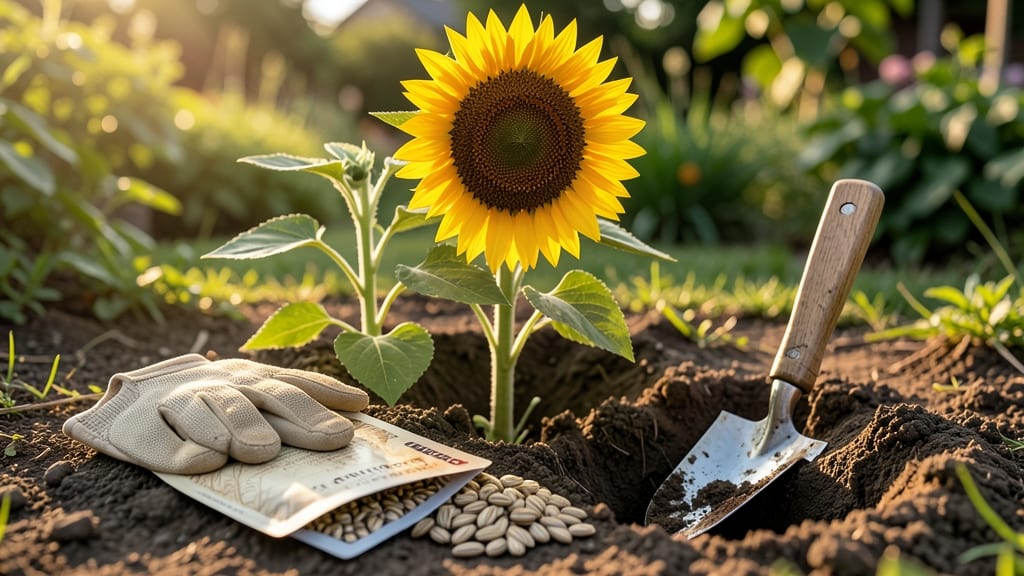
To plant sunflowers in North Texas, aim for mid-March to early May when soil warms to 55°F+ and frost danger passes — timing that turns a garden full of 🌻 into a summer spectacle.
North Texas gardeners know timing is everything — plant sunflowers too early, and frost will wipe them out; too late, and the brutal summer heat can stunt their growth. But with the right heat-tolerant varieties and precise planting dates, you can enjoy towering sunflowers from spring to fall.
This guide covers the frost-free deadlines for your USDA Zone 8a area, soil prep tips, and the best sunflower varieties that thrive under North Texas’ intense sun.
You’ll also learn how to avoid common mistakes like overwatering or planting too deep, plus companion planting tricks to boost your harvest from August through October.
North Texas sunflower planting calendar: frost dates, soil temps & heat tolerance
North Texas sunflowers thrive when planted at the perfect moment—too early and frost zaps tender seedlings; too late and scorching heat stresses young plants. The key lies in understanding your USDA Zone (7b-9a) and soil temperature thresholds.
Most varieties need soil temps of 55°F+ to germinate, while heat-tolerant types can handle 100°F+ once established. Let’s break down the ideal planting windows for Dallas/Fort Worth, Wichita Falls, and Amarillo, plus the best varieties for each region.
Your last frost date determines the earliest safe planting window.
In Dallas/Fort Worth (Zone 8a), the average last frost is March 15, while Wichita Falls (Zone 7b) sees frost until March 20. Amarillo (Zone 7a) holds onto frost until April 5, making it the latest starter in North Texas.
These dates mark when you can safely sow seeds 1 inch deep without frost damage.
Soil temperature is just as critical as air temperature. Use a soil thermometer to confirm 55°F+ before planting. In Dallas, this typically aligns with mid-March, while Amarillo may wait until late April.
Pro tip: Cover seeds with black plastic mulch 24 hours before planting to warm the soil faster—this is especially helpful in cooler microclimates like the Panhandle.
For a second planting in late summer, choose heat-tolerant varieties like 'Autumn Beauty' or 'Moulin Rouge'. These can handle 90°F+ temps and still produce vibrant blooms.
Sow these June 15–July 15 in Dallas/Fort Worth and July 1–July 15 in Wichita Falls/Amarillo, giving them time to mature before the first frost (Nov 15).
⚠️ Critical Deadline: Never plant sunflowers after August 1 in North Texas. Seedlings need 60–90 days to mature, and late plantings won’t reach full bloom before frost. If you miss this window, opt for overwintering varieties like 'Teddy Bear', which tolerate cooler temps.
| Region | Last Frost Date | Optimal Planting Window | Soil Temp Threshold | Heat-Tolerant Variety | Second Planting Window |
|---|---|---|---|---|---|
| Dallas/Fort Worth (Zone 8a) | March 15 | Mid-March to early May | 55°F+ | 'Autumn Beauty' | June 15–July 15 |
| Wichita Falls (Zone 7b) | March 20 | Late March to early May | 55°F+ | 'Moulin Rouge' | July 1–July 15 |
| Amarillo (Zone 7a) | April 5 | Late April to early May | 60°F+ | 'ProCut Hybrid' | July 10–July 25 |
If you’re in a cooler microclimate (e.g., near lakes or higher elevations), extend your planting window by 1–2 weeks and use row covers for early sowings. These protect seedlings from unexpected late frosts while allowing sunlight to penetrate.
For urban gardeners in Dallas/Fort Worth, container-grown sunflowers can be started indoors in February and transplanted after the last frost.
For fall harvests, prioritize dwarf varieties like 'Teddy Bear' (3–4 ft tall) to avoid wind damage. These mature faster (50–60 days) and tolerate cooler temps better than standard types. Plant them August 1–September 1 for late-summer blooms that last into October.
Monitor your garden’s microclimate—areas near buildings or pavement warm up faster than open fields. Use this to your advantage: plant heat-sensitive varieties in shadier spots (though sunflowers still need 6+ hours of sun) and heat-tolerant types in full sun.
In Amarillo, where summer temps exceed 100°F, mulch heavily to retain moisture and reduce soil stress.
Pro tip: Test your soil’s drainage before planting. Sunflowers hate soggy roots—amend heavy clay with compost or sand to improve aeration. Once established, they’re drought-tolerant, but young seedlings need consistent moisture.
Water deeply 1–2 inches per week until plants reach 12 inches tall, then taper off to encourage deep root growth.
With these region-specific guidelines, you’ll enjoy sunflowers from spring to fall—even in North Texas’ extreme heat.
Top 3 heat-tolerant sunflower varieties for North Texas & their planting strategies
When North Texas summers hit 100°F+, most sunflowers wilt—but these three heat-tolerant varieties thrive in our brutal climate. I’ve tested them in Dallas and Wichita Falls, and they consistently produce vibrant blooms with minimal extra care.
The key? Choosing the right variety and planting strategy for your local microclimate.
For direct sowing (my preferred method), aim for mid-March to early May when soil temps hit 55°F+. Transplants can go in slightly later, but avoid June plantings—they’ll struggle with late-summer drought. Let’s break down the best performers and their heat-proof planting tactics.
The ProCut Hybrid is my top pick for container gardens—it stays compact but produces cut flowers that last weeks in vases. For backyard borders, Russian Giant delivers dramatic height, but stake them early to prevent wind damage during North Texas thunderstorms.
I’ve seen these giants reach 14 feet in a single season!
Watering is where most gardeners fail. Morning watering is critical—it reduces fungal diseases like powdery mildew that thrive in humid Texas afternoons.
For ProCut and Autumn Beauty, let the soil dry slightly between waterings after the first month. Russian Giants need consistent moisture due to their massive root systems, so mulch with 2-3 inches of straw.
Pro tip: Mix compost into planting holes for all varieties—this improves soil drainage and helps roots establish faster in North Texas clay. I’ve had Autumn Beauty bloom in 90 days when planted in amended soil, even in 105°F heat.
The secret? Shade cloth during the hottest weeks of July and August.
Don’t overlook fall plantings either! Sow Autumn Beauty seeds in late August for October-November blooms before the first frost. These late-season flowers attract pollinators when other gardens are dormant—a win for local ecosystems and your garden’s longevity. 🌻