
Flowers
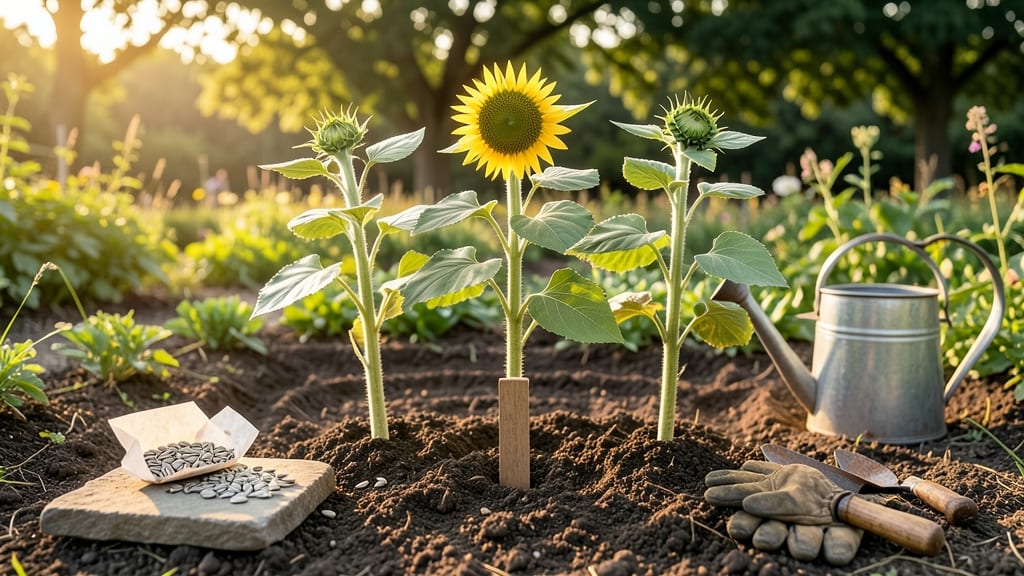
Planting sunflowers in Florida at the right time means bigger blooms and faster growth—avoid the heat stress that kills seedlings before they sprout.
You’ve probably seen sunflowers 🌻 wilt under Florida’s midday sun, their leaves curling like they’re begging for shade. But the key isn’t avoiding the heat—it’s timing your planting so the plants mature before the worst of summer hits.
Florida’s frost-free windows let you grow sunflowers year-round, but the sweet spot is early spring (February–March) or late summer (August–September). These months balance soil warmth with cooler temps, giving your sunflowers the head start they need.
Below, I’ll break down the exact months for your region, how to prep soil for Florida’s humidity, and the one trick that keeps sunflowers thriving even when temps hit 90°F.
Optimal planting months for sunflowers in Florida’s climate zones
Florida’s diverse climate zones mean sunflowers can grow year-round—but timing is everything. The North (Zones 8a-9a) faces cooler winters and occasional frost, while the South (Zones 10a-11) enjoys tropical heat with no frost risk.
Planting outside these windows risks heat stress or premature bolting, so let’s break it down by region.
For North Florida, aim for spring (March-May) and early fall (September-October) to avoid summer’s intense humidity and winter’s chilly snaps. In South Florida, you can plant year-round, but spring (February-April) and fall (August-September) yield the brightest blooms and tallest stems.
Soil temperature is your best guide: Sunflowers germinate best when soil reaches 50°F (10°C). Use a soil thermometer to check—cold soil delays sprouting, while overly hot soil (above 90°F) can scorch seeds.
In North Florida, wait until mid-March; in South Florida, January-February is ideal.
Here’s how Florida’s 11 climate zones break down for sunflower success, including frost-free dates and heat tolerance thresholds:
For faster germination, prep your soil 4-6 weeks before planting. Work in compost or aged manure to boost nutrients, and raise beds slightly in heavy clay soils to improve drainage. North Florida gardeners should mulch with straw to retain moisture during spring’s dry spells.
In South Florida’s heat, focus on shade cloth (30-50%) for young seedlings to prevent leaf scorch. Once established, sunflowers handle full sun, but afternoon shade in summer can extend bloom time by 2-3 weeks.
Use drip irrigation to keep foliage dry and reduce fungal risks like powdery mildew.
Pro tip: Succession plant every 2-3 weeks in spring and fall for continuous blooms. In North Florida, your last spring planting should be by June 1 to avoid summer bolting. In South Florida, fall plantings can go until October for winter blooms.
Watch for pests like sunflower moths and disease signs like yellowing leaves. In humid South Florida, neem oil sprays can prevent leaf spot. With the right timing, your sunflowers will reach their full height—some varieties even top 12 feet in Florida’s long growing season!
🌻
Sunflower varieties that handle Florida’s heat best
Florida’s humid heat and intense sun can overwhelm sunflowers if you pick the wrong variety. The key is selecting heat-tolerant types that thrive in USDA zones 8-11 while resisting bolting and fungal diseases. My top picks—like Autumn Beauty and Moulin Rouge—stay vibrant even when temps hit 95°F+.
These varieties also bolt slower in Florida’s long growing season, giving you multiple bloom cycles per year. For example, ‘Teddy Bear’ (a dwarf) blooms in 60-70 days, while ‘Russian Giant’ takes 90-120 days but handles drought stress better. Planting them at the right time maximizes their heat resistance.
🌻 Best Planting Months: Spring (February-April) and fall (September-October) avoid peak summer stress. ‘Autumn Beauty’ planted in late summer often reblooms in cooler fall temps, while ‘Moulin Rouge’ thrives in spring when humidity is lower.
📋 Heat-Tolerant Sunflower Varieties Summary
| Variety | Height | Best Planting Month | Bloom Time | Drought Tolerance |
|---|---|---|---|---|
| Autumn Beauty | 3-5 ft | Feb-Apr, Sep-Oct | 60-75 days | High |
| Moulin Rouge | 4-6 ft | Feb-Apr | 70-85 days | Moderate |
| Teddy Bear | 2-3 ft | Mar-May, Aug-Sep | 60-70 days | Very High |
| Russian Giant | 10-18 ft | Feb-Mar | 90-120 days | Moderate |
To extend the bloom season, try succession planting every 2-3 weeks in spring or fall. For example, plant ‘Autumn Beauty’ in February for summer blooms, then again in August for fall color. Mulch heavily with straw or pine needles to retain moisture and reduce soil temps by 5-10°F.
For humidity-prone areas, prioritize dwarf varieties like ‘Teddy Bear’—they bolt less and resist fungal diseases better than tall types. If you’re in South Florida (zones 10-11), avoid planting in June-August; instead, focus on fall plantings to escape the heaviest rains.
Pro tip: Shade cloth (30%) during peak afternoon sun (2-5 PM) can prevent leaf scorch while still giving sunflowers 6+ hours of sunlight. This works especially well for ‘Moulin Rouge’, which loves bright but indirect light.